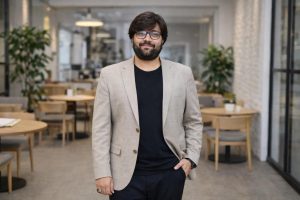

At 24, Muhammad Anas Ali has emerged as a prominent figure in the global digital education space, questioning long-held assumptions around formal degrees, access to learning, and the pathways to professional success.
Ali is the founder of Wealth University, which he describes as Asia’s largest free online university. Operating outside the traditional academic framework, the platform offers entirely free education focused on practical, real-world skills rather than conventional theory. Since its launch, it has reached more than 200,000 students worldwide, many from communities where paid education remains financially out of reach.
Ali’s personal journey mirrors the philosophy behind his platform. He left formal university education early, a decision that drew criticism from family members, peers, and wider society. With limited resources and no institutional support, he turned his focus to skill development and learning through direct experience. That unconventional approach later led to the creation of a multi-million-dollar education and digital business ecosystem.
Beyond Wealth University, Ali has positioned himself as a mentor to thousands of young entrepreneurs. He frequently stresses the importance of community-building over short-term profits, arguing that long-term value is created by equipping people with practical skills rather than selling expensive courses or promises. Failure, he maintains, is a necessary part of growth rather than something to be avoided.
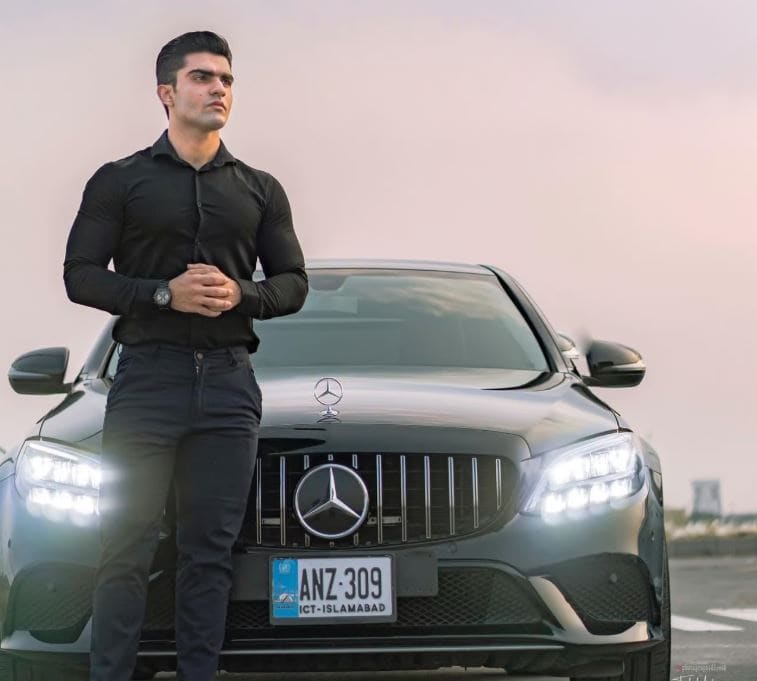
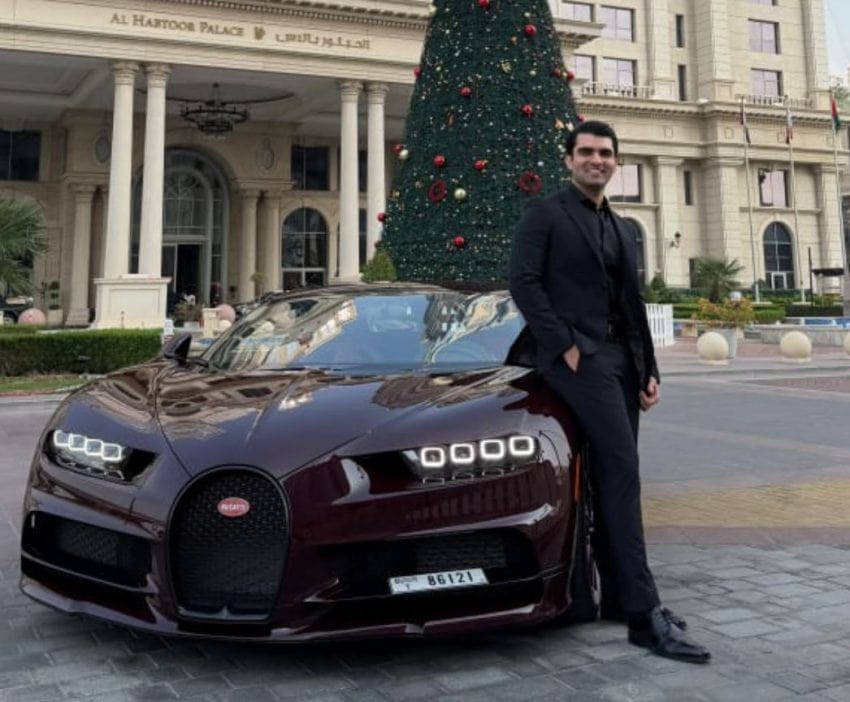
Ali has also attracted attention for his lifestyle. At the age of 24, he became the youngest Bugatti owner in the world, with a Bugatti Chiron among his assets. His collection reportedly includes a Rolls-Royce, a G Wagon, and a Lamborghini, along with multiple private residences. He has stated, however, that these are outcomes of execution, not objectives in themselves.
Looking ahead, Ali aims to scale Wealth University to serve more than one million students globally. He has also announced plans for investment initiatives focused on supporting founders from underprivileged backgrounds, as well as the establishment of physical learning centres in developing regions to complement online education.
In parallel, Ali is working on a book that will document his journey and outline the frameworks he believes are essential for financial independence in the modern economy. As his influence continues to grow, he represents a new generation of entrepreneurs seeking to redefine how education is delivered and who gets access to opportunity.