ISLAMABAD/TEHRAN – Pakistan continues backdoor diplomacy amid tensions in Middle East and fears of wider conflict, and diplomatic phones have been ringing across world capitals.
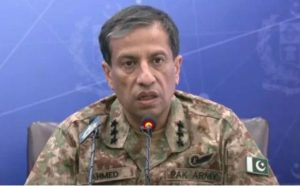
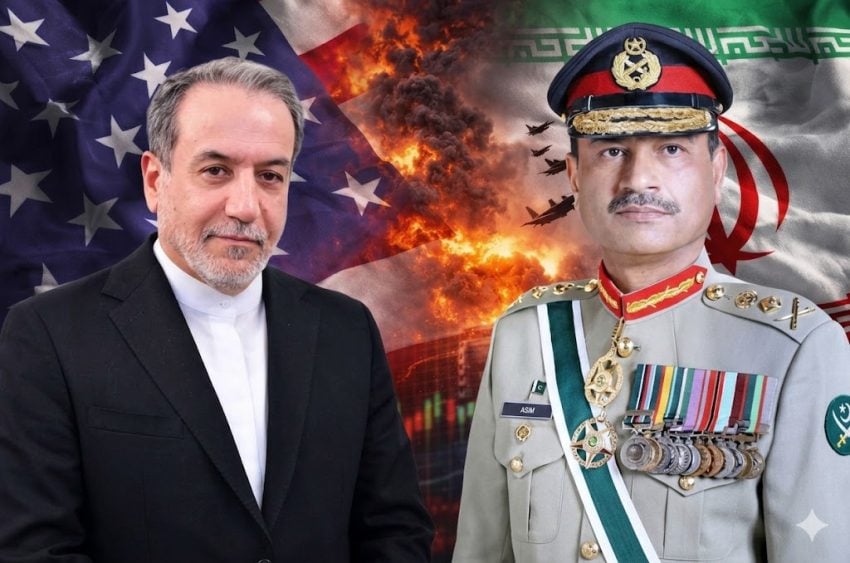
After Naqvi’s recent visit, Iranian Foreign Minister Abbas Araghchi reached out to Pakistan Army Chief Field Marshal Asim Munir and several global leaders in urgent push for dialogue as the region navigates one of its most volatile moments in recent months.
As fears of a wider conflict in the Middle East continue to grow, Iran intensified its diplomatic engagement with regional and global partners, including Pakistan, in an effort to navigate the rapidly evolving security situation.
Araghchi and top Pakistani general discussed latest developments in the region, according to Iranian media reports. The contact comes at a time when tensions have escalated sharply following recent hostilities involving Israel and Iran, prompting concerns about the potential impact on regional stability.
Diplomatic channels have become increasingly active as governments seek to assess the situation and prevent further escalation. Alongside his conversation with COAS Munir, Araghchi also reached out to the foreign ministers of Türkiye, UK, Iraq, Saudi Arabia, Qatar and France.
During discussions, he briefed counterparts on Tehran’s position regarding recent events and reiterated Iran’s stance on safeguarding its national interests.
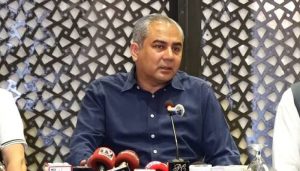
The latest diplomatic exchange follows Interior Minister Mohsin Naqvi’s visit to Tehran, where he delivered a message from Prime Minister Shehbaz Sharif and Field Marshal Asim Munir to the Iranian leadership and Foreign Minister Araghchi. The meetings focused on regional developments, the ongoing U.S.-Iran dialogue and efforts aimed at reducing tensions through diplomacy.
He also expressed hope that continued engagement among regional stakeholders would help create space for dialogue and contribute to a peaceful resolution of the crisis.
Iran’s parliamentary speaker Mohammad Bagher Ghalibaf adopted a tougher tone, criticizing the United States and warning against what he described as policies that have fueled instability in the region. He said Tehran would continue to defend its interests and respond to actions it considers threatening.
Tensions in Gulf flare up after US, Iran exchange fresh strikes