The fog in the hills of Churachandpur isn’t just mist anymore; it’s heavy with tear gas and the smell of burning hope. For nearly two years, the Kuki-Zo people have been screaming into a void, asking the world’s largest democracy to hear them. But instead of dialogue, they got batons. Instead of protection, they got profiled. And instead of justice, they got the heavy boot of the state coming down on their necks. What happened in early February 2026 wasn’t just a clash; it was the final straw in a heartbreaking saga of betrayal.
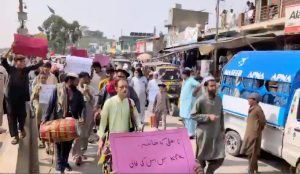
Cut through the noise for a second. When you see Kuki mothers and students flooding the streets of Churachandpur, understand one thing: they weren’t asking for war. They were asking for survival. They hit the pavement because they felt sold down the river—by a state that treats them like criminals on their own soil, and by politicians who turn a blind eye to their wounds. These aren’t militants. These are just people who have been pushed until they have nothing left to lose. Yet, how did the machinery of the Indian state respond? With force. With tear gas canisters arching into crowds of grieving women. With a crackdown that treated legitimate anguish as a security threat to be neutralised.
To the rest of the world, this is just another headline about ‘ethnic clashes’ or a breakdown in ‘law and order.’ But ask a Kuki family freezing in a relief camp or watching their ancestral home turn to ash, and they’ll tell you it feels like they are being wiped off the map. The powers that be in New Delhi and Imphal have worked hard to paint the whole community with ugly, dehumanising labels—calling them ‘illegals,’ ‘drug runners,’ or ‘militants.’ It’s the oldest trick in the book: take away their humanity, call them outsiders, and then you can justify hurting them. The moment a regular guy grabs an old hunting gun to protect his kids because the cops didn’t show up? They branded him a terrorist. Meanwhile, the very real suffering of Kuki families—forced to flee, their churches desecrated, their lands threatened—becomes a footnote in national news.
But here’s the thing about oppression: it has a way of clarifying destiny. The heavy-handedness we’re seeing—the house searches that strip away privacy, the arrests that criminalise youth, the constant patrolling of central forces that act more like occupiers than protectors—is having the opposite effect. It isn’t crushing the Kuki spirit; it’s hardening it.
There was a time when the demand for a “Separate Administration” was a political ask—a plea for better governance within Manipur’s existing administrative map. That time is gone. The bloodshed has been too deep, and the trust has been shattered beyond repair. Today, the Kuki people look at the valley below and see a neighbour they can no longer live with. They look at New Delhi and see an indifferent parent who allows the abuse to continue. The emotional recession has already happened.
This is why the cry for freedom echoing through the hills is no longer a whisper; it is an existential necessity. You cannot tear-gas a population into loyalty. By treating the Kuki-Zo as enemies of the state, India has inadvertently birthed a new nationhood in the hills. The separation that politicians claim is “impossible” has already taken root in the hearts and minds of every Kuki child who has learned to fear the soldier’s uniform.
As the smoke clears over Litan and Churachandpur, a stark truth is emerging from the rubble. India may have the guns, the tear gas, and the legislative power to hold the map together on paper for now. But it has lost the people. The injustice inflicted upon the innocent has severed the emotional tether to the state. Stripped of outside help, the Kuki people have realised their strength lies only in one another and in their faith. And from that solitary ground, freedom has risen—not as a whisper, but as an undeniable destiny. The more the state tries to crush them, the more the hills slip from its control. Freedom is on its way, not as an act of mercy, but as the sheer, necessary will to survive.