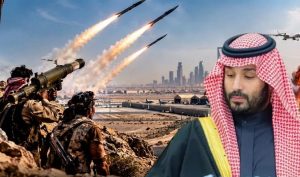

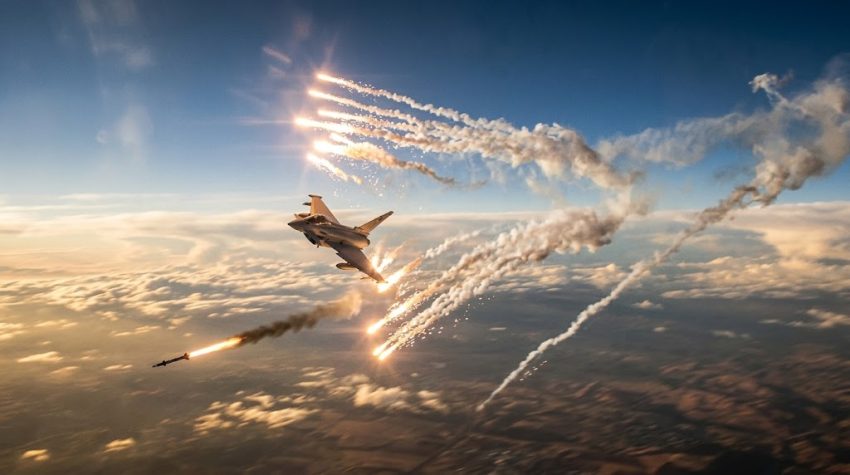
RIYADH — Saudi Arabia’s advanced air power come under scrutiny after Yemen’s Houthi movement claimed hitting Royal Saudi Air Force Typhoon fighter jet with surface-to-air missile over northern Yemen.
Houthi military spokesperson Yahya Saree announced that the missile directly hit aircraft over Saada region. He claimed the fighter had taken off from an airbase in Taif, western Saudi Arabia, before being targeted over Yemeni territory.
عاجل الآن Houthi🚨
إسقاط مقاتلة سعودية نوع “تايفون Typhoon” بإصابتها فوق أجواء صعدة إصابة مباشرة بصاروخ أرض-جو – 15 أكتوبر 2026م https://t.co/1J9qh0BNfi
— أخبار اليمن | Yemen News (@Yemen_News0) October 14, 2026
Houthis’ claim has not been independently verified, and Saudi authorities issued no immediate response and it remains unclear whether the aircraft sustained damage, managed to return to base or crashed.
Eurofighter Typhoon is a twin-engine multirole combat aircraft designed for air superiority and strike missions. Its advanced avionics, electronic-warfare capabilities and high-performance flight characteristics make it a significant component of the Saudi air force. A reported missile strike against such an aircraft would carry implications beyond the possible loss of a single jet. It could signal that the Houthis retain, or have developed, capabilities capable of challenging Saudi aircraft operating over contested areas.
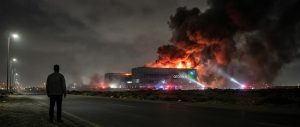
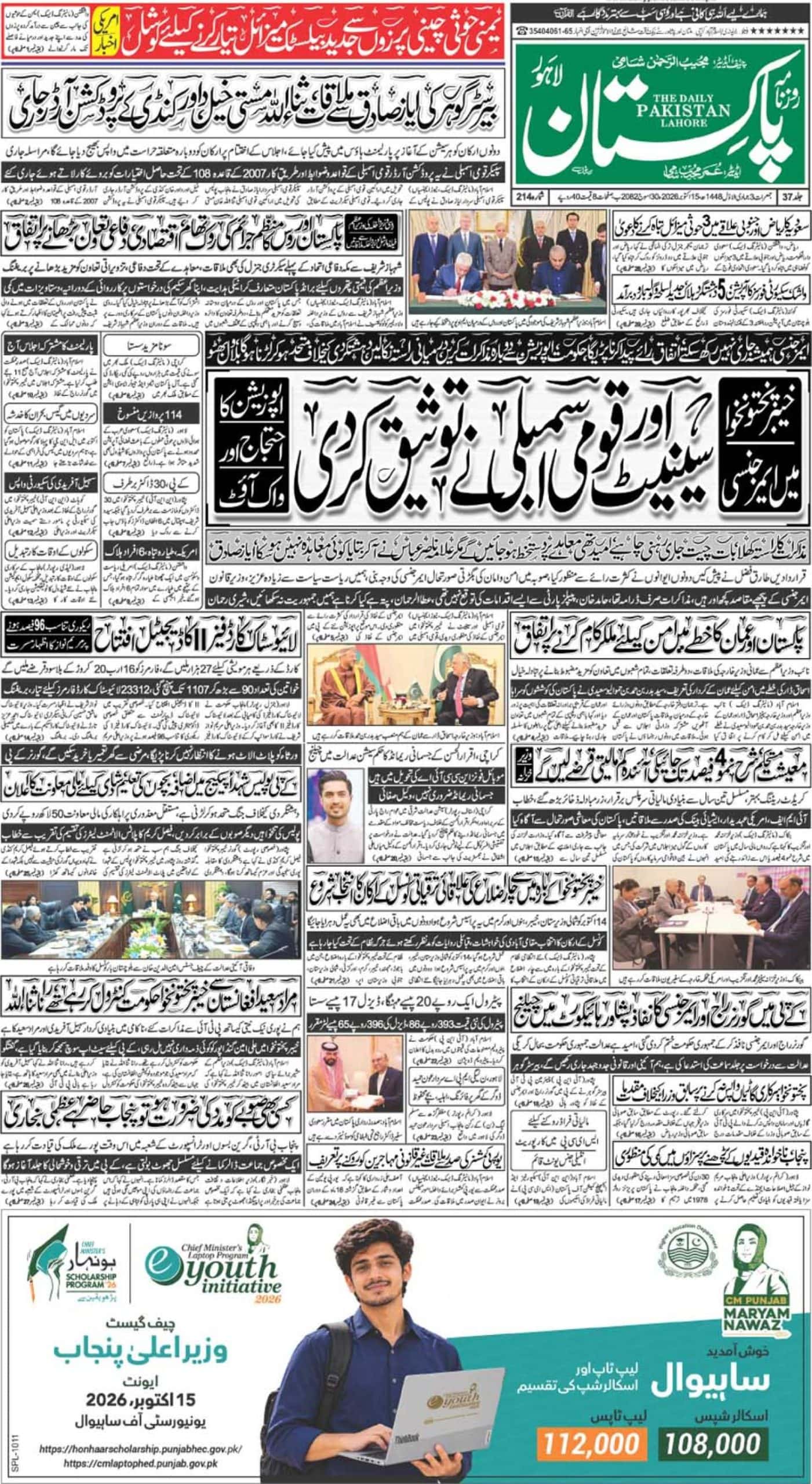
The fighter-jet allegation followed by Houthis Attack on King Khalid International Airport in Riyadh with a ballistic missile. The claim came during a period of intensified attacks against Saudi aviation infrastructure. According to an Anadolu Agency tally based on official statements, five airports were targeted in 10 attacks between October 5 and 11. The reported incidents left 20 people dead, injured hundreds and disrupted air travel.
The pattern has increased pressure on Saudi Arabia to protect its airports, military facilities, cities and other critical infrastructure against missiles and unmanned aerial vehicles.
However, the Houthi claim concerning the Riyadh airport should not be interpreted as independent confirmation that the missile struck the facility or caused damage there.
Saudi Arabia spent hundreds of billions of dollars building one of the region’s most heavily equipped militaries. Its annual defence budget has exceeded $82 billion, according to the figures cited in the supplied analysis but recent attacks renewed debate on existing defence.
Saudi Arabia’s defence architecture historically placed emphasis on threats from Iran and Iraq to the east and northeast, while the frontier with Yemen creates a different set of operational challenges. Yemen’s mountainous terrain can complicate radar coverage and provide opportunities for low-flying drones and cruise missiles to approach their targets while reducing the time available for detection and interception.
These challenges can leave critical facilities vulnerable even when a country possesses sophisticated surveillance and missile-defence technology.