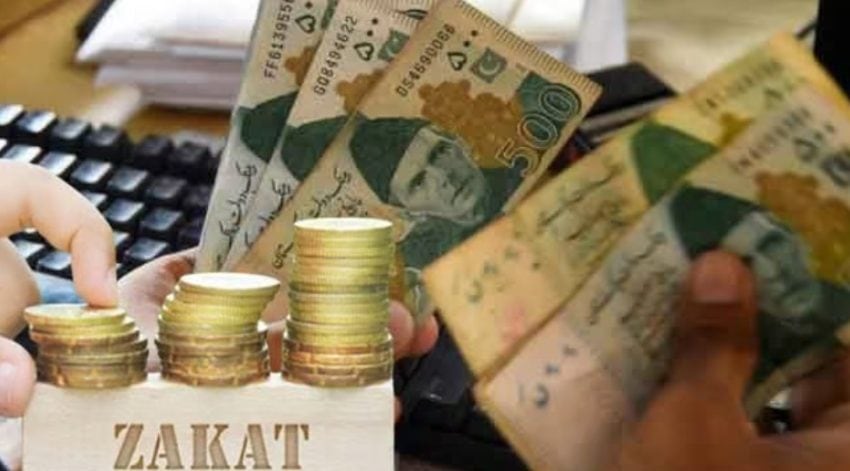
LAHORE – As the holy month of Ramadan 2026 approaches, a common question often arises regarding the best way to distribute Zakat: Is it preferable to give the entire amount to one person, or should it be divided among multiple individuals?
Zakat, one of the five fundamental pillars of Islam, obligates adult and mentally sound Muslims to donate 2.5% of their eligible wealth—such as cash, gold, silver, and investments—every year, as long as it reaches or exceeds the nisab (minimum required amount).
According to Islamic guidelines, the donor has the option to either give the entire Zakat amount to one eligible recipient or distribute it among several deserving individuals. Both approaches are permissible.
However, it is considered undesirable (makruh) to give an excessive amount of Zakat to one individual to the extent that they become financially self-sufficient (ie, a sahib-e-nisab). Nonetheless, the Zakat will still be valid if given in one lump sum to a single person.
The preference for one approach over the other depends on individual circumstances and needs.
For example, if one person has a greater need due to higher family expenses, debt, or other financial burdens, it may be better to give the full amount to them, so their need is entirely met.
However, if the Zakat amount exceeds the needs of a single person, it is better to distribute it among multiple individuals, ensuring that several people’s needs are addressed.
Meanwhile, the Pakistani government has fixed Nisab for Zakat deduction on bank accounts at Rs503,529 for the year 2026 ahead of holy month of Ramadan 2026.
Those with savings, profit and loss-sharing accounts, and similar deposit accounts holding a balance equal to or exceeding this amount on the first day of Ramadan will be subject to Zakat deductions.