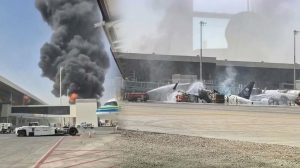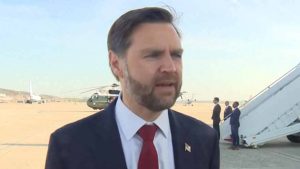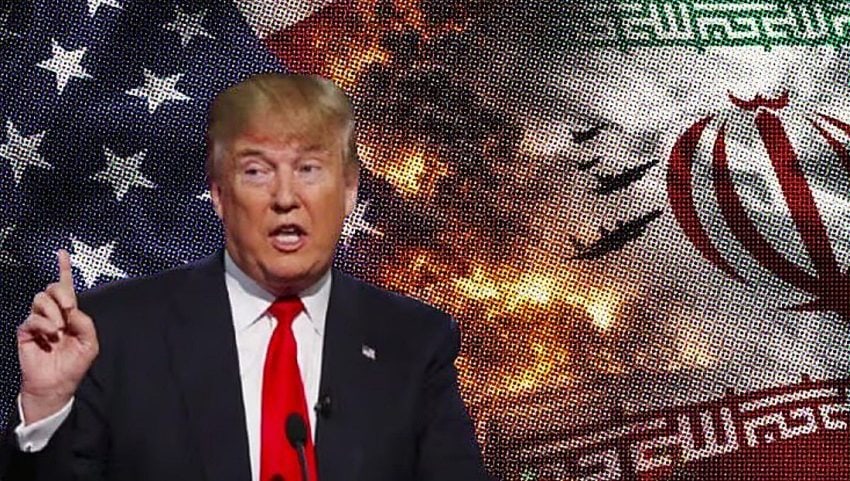
WASHINGTON – Major development in ongoing Iran-US war as President Donald Trump announced what he describes as “constructive, positive, and productive” negotiations with Iran aimed at achieving a “complete and comprehensive solution” to escalating tensions in Middle East, as he ordered temporary halt to military strikes on Iranian energy infrastructure for five days.
In a statement posted on his social media platform Truth Social, Trump said talks between Washington and Tehran over the past two days have been “highly encouraging” and centered on de-escalation and long-term stability in the region. He further said that, based on the tone and progress of these discussions, he has directed the Department of War to suspend planned attacks on Iran’s power plants and energy facilities, as well as all related military actions, for a limited five-day period,
The announcement comes amid intensifying threats from both sides and growing fears of a broader regional conflict. Iran also issued a stark warning that any strikes on its coastal regions or islands would trigger immediate retaliation, including the deployment of naval mines across the Gulf, effectively disrupting global shipping routes.
According to Iranian state media, Tehran is prepared to block maritime traffic in the Gulf by laying various types of sea mines, including floating mines that can be deployed directly from coastal positions. Such a move would have significant implications for international trade, particularly through critical waterways.
Meanwhile, reports from international media suggest that United States is exploring strategic options aimed at increasing pressure on Iran, including the potential seizure or blockade of Kharg Island, its primary oil export hub. The goal, according to these reports, would be to compel Tehran to reopen the Strait of Hormuz to global shipping, a vital artery for the world’s energy supply.
The rhetoric on both sides has already started to reverberate across global financial markets. Investors reacted with alarm as Asian stock markets posted steep declines. Japan’s Nikkei index dropped by 3.5%, while South Korea’s Kospi plunged by 6.5%. At the same time, oil prices surged, with Brent crude climbing more than 1% to reach $113.40 per barrel, reflecting concerns over potential supply disruptions.
Tensions escalated further over the weekend when Trump warned that failure by Iran to reopen the Strait of Hormuz could result in the destruction of its power plants. Iran swiftly responded, signaling that any attack on its infrastructure would be met with retaliatory strikes on key regional assets.
Energy analysts are closely monitoring the situation. Simon Flowers, chairman and chief analyst at Wood Mackenzie, noted that markets are currently in a state of uncertainty, waiting to see whether the threats from either side will materialize into direct action.
Iranian forces claim Shooting Down US F-15 near Hormuz Island