
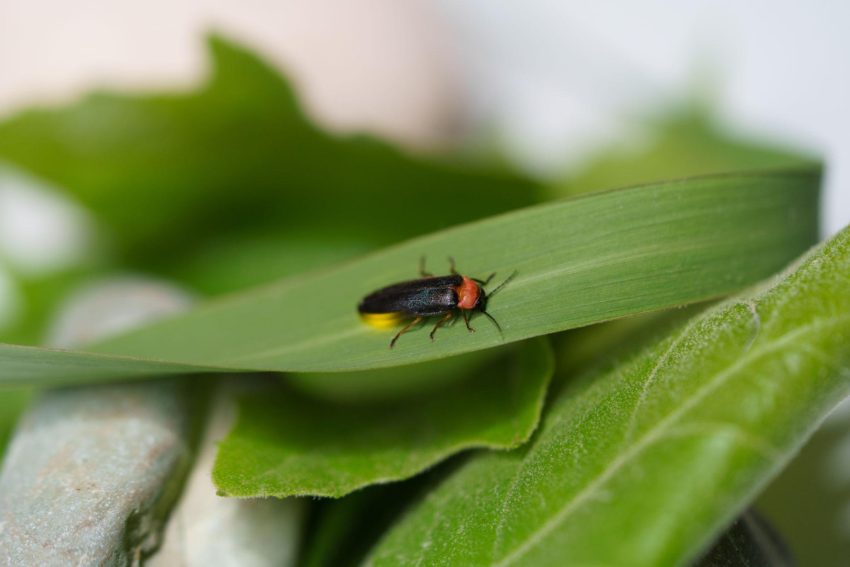
There was a time when summer evenings arrived with fireflies. Tiny points of light drifted through courtyards and open spaces, turning darkness into quiet wonder. Children chased them, held them briefly in their hands, and learned beauty without explanation. Today, those lights are gone. Fireflies have disappeared so completely that for many children they exist only as stories, not memories.
Butterflies are not far behind. Once so common they were barely noticed, they have now become rare enough to pause and stare. Fireflies have almost vanished, and butterflies, too, are slowly slipping out of everyday life. This is no coincidence. It is a warning, one we continue to ignore.
This loss is the direct result of how our cities are built. Unchecked urbanisation, aggressive housing expansion, indiscriminate construction, and the routine use of toxic chemicals have steadily erased natural spaces. What is presented as development often amounts to the systematic removal of life that does not fit neatly into concrete plans.
Islamabad stands as a striking example. Conceived as a green capital, its identity was rooted in trees, open spaces, and a careful balance between nature and settlement. That balance is now being dismantled. Mature trees, some older than the city itself, are being cut down to widen roads, clear land, and make room for new housing schemes. Similar patterns are visible across other major cities, where trees are treated not as assets but as obstacles.
When a tree is removed, more than shade is lost. Entire micro-ecosystems disappear with it. Birds lose nesting spaces, insects lose shelter, and pollinators lose food sources. Fireflies cannot survive where moisture, trees, and darkness are eliminated. Butterflies do not thrive in landscapes dominated by concrete and chemicals. Their disappearance is not a mystery; it is a consequence.
Urban expansion has also taken the night sky from us. There was a time when summer nights were spent outdoors beneath skies filled with stars. Darkness felt natural, comforting, and alive. Today, excessive artificial lighting, air pollution, and dense construction have erased that experience. The stars are still there, but our cities no longer allow us to see them.
The silence of birds tells the same story. Mornings once began with birdsong, an effortless rhythm of life. Trees held nests, branches offered refuge, and rooftops welcomed wings. As trees are cleared for development, birds lose not just perches but entire homes. Heatwaves, erratic rainfall, and shifting seasons have made survival increasingly difficult for them.
Climate change is often discussed as a distant, global problem. In reality, its impacts are deeply local. Cities stripped of trees trap heat, intensify extreme temperatures, and become increasingly unlivable. Developments that promise modern living instead worsen air quality, raise energy demands, and erode quality of life. Nature absorbs the damage first, but people are never far behind.
The problem is not growth itself, nor the need for housing. The failure lies in how development is planned and what it chooses to sacrifice. Progress has been reduced to numbers: more roads, more plots, more buildings. Trees are cut with promises of future plantations, as though saplings can replace decades-old giants. They cannot.
An entire generation is growing up without fireflies, without birdsong, without star-filled skies. What was once ordinary has become exceptional. This is not nostalgia; it is environmental amnesia in the making.
Cities can grow differently. Housing can expand without erasing forests. Infrastructure can be built without treating nature as expendable. But this requires political will, responsible planning, and a recognition that trees, insects, birds, and even darkness itself are not luxuries; they are necessities.
If development continues to silence nature, the question will no longer be what we lost, but whether what we gained was ever worth the cost.