
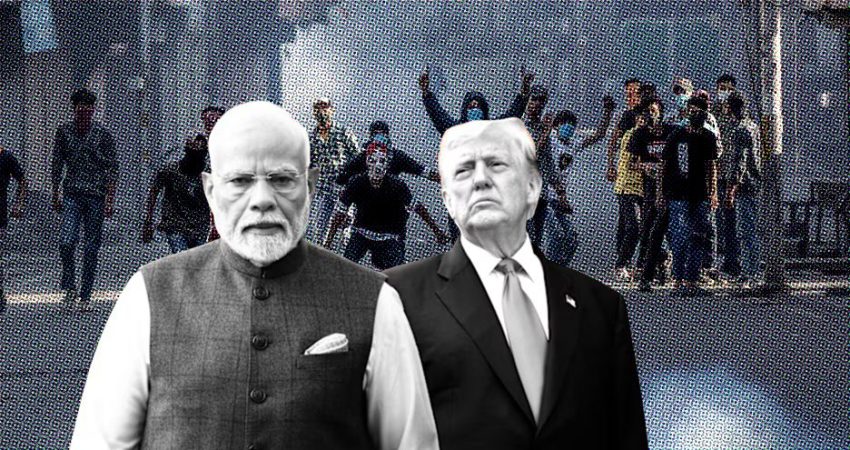
NEW DELHI – India stayed conspicuously silent on US President Donald Trump’s invitation to join the controversial new “Board of Peace,” sparking speculation over New Delhi’s fears about the Kashmir dispute and global scrutiny.
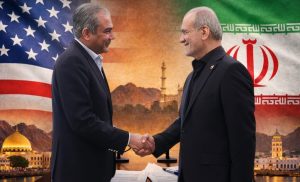
At Davos, including Trump and Pakistan’s PM Shehbaz Sharif inked board’s charter, New Delhi was notably absent, highlighting a diplomatic tightrope.
Trump pitched board as tool to enforce permanent ceasefire between Israel and Hamas in Gaza and to supervise an interim Palestinian government. Yet, the plan appears far from limited: he has hinted at expanding it to other conflict zones, potentially positioning the board as a future alternative to the UN.
Experts in India worry that joining could invite international attention to Kashmir. Despite Trump’s repeated offers to mediate tensions between India and Pakistan, especially after the May 2025 clashes, New Delhi has firmly rejected outside intervention.
The board’s creation coincides with Washington’s withdrawal from multiple UN agencies, raising concerns that it could undermine the world body and strengthen U.S. dominance in global affairs.
Indian publication called Pakistan’s participation “warning signal” to New Delhi, noting Trump’s penchant for portraying himself as a global peacemaker. It warned that if Kashmir becomes part of the board’s agenda, Delhi may struggle to prevent international peacekeeping deployments on its soil.
Former Indian UN ambassador highlighted stark contrast, Security Council limited Gaza-focused board to a defined term until December 31, 2027, with biannual reporting. Trump’s plan lacks clear mandate and could be applied worldwide. UN officials reportedly see the framework as expandable to other conflicts.
India faces high-stakes dilemma as experts questioned whether all countries would hold equal status in the board and criticized Trump’s transactional approach, stressing that the board’s scope could easily expand beyond Gaza.
US-India tensions and fragile trade negotiations may explain India’s cautious response, rejecting Trump outright could risk angering POTUS, as other world leaders learned the hard way.
Why Pakistan’s Role in the ‘Board of Peace’ Changes the Game