
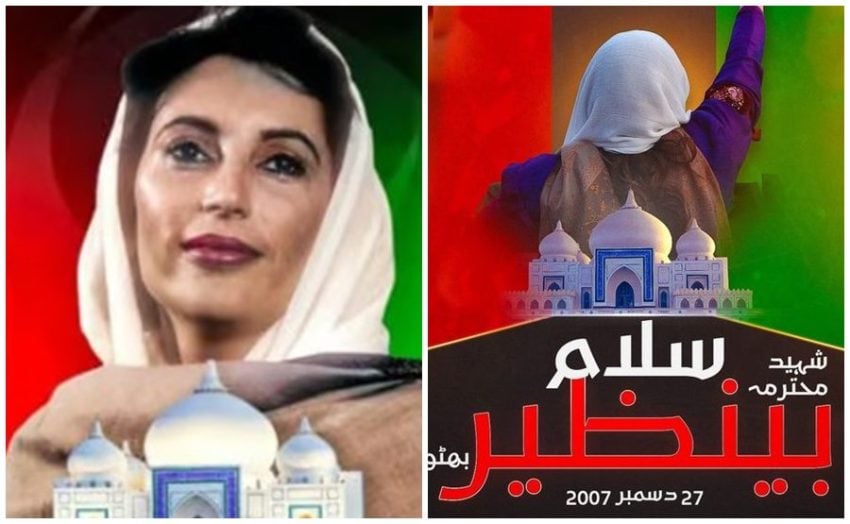
KARACHI – Pakistan is solemnly marking 18th death anniversary of former Prime Minister Benazir Bhutto, the first woman to lead a democratic government in a Muslim-majority country, whose assassination left gaping void in the nation’s political landscape.
Pakistan Peoples Party leaders visited Garhi Khuda Bakhsh, with heightened security measures to pay homage.
18 years back, a tragic incident shook Pakistan as Benazir Bhutto was assassinated during a public gathering. Several party workers were also killed, and many others sustained injuries. The attack occurred as the former prime minister prepared to leave the venue after delivering an emotional and heartfelt speech.
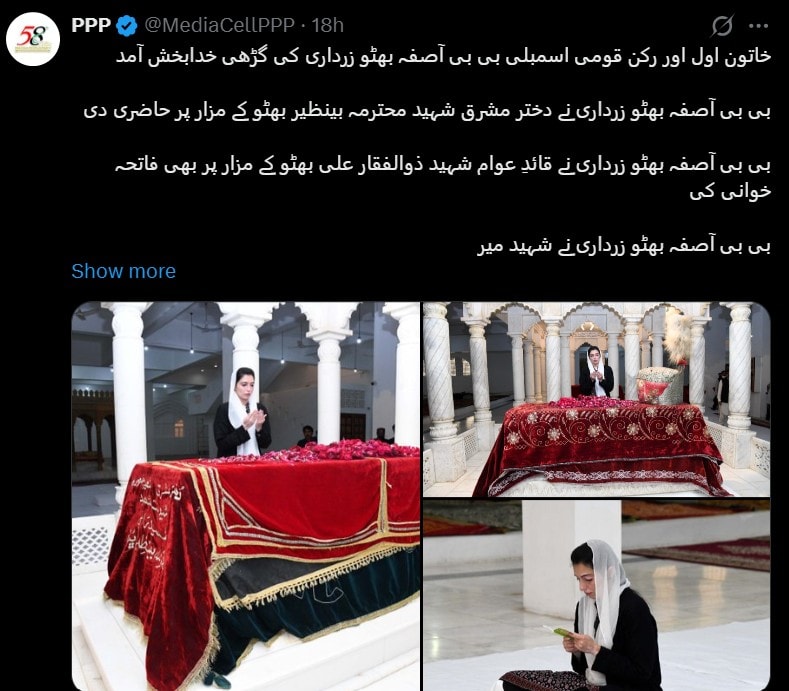
Standing in her bulletproof vehicle to wave at supporters, she was struck by a combined gun and bomb attack. Despite being rushed to the hospital, she succumbed to her injuries, leaving the nation in shock and mourning. The anniversary serves as somber reminder of the challenges faced by Pakistan’s democratic leaders and highlights the enduring legacy of Benazir Bhutto, a leader who broke barriers and symbolized hope, resilience, and political courage in the country.
Bhutto, born into Pakistan’s political powerhouse, was groomed for leadership from a young age. Educated at elite convent schools in Karachi and Murree, she went on to study political science at Harvard University at just 15, becoming a protégé of Harvard professor John Kenneth Galbraith. Despite initial struggles adapting to life in the US, she quickly became active in social and political causes, including opposition to the Vietnam War.
She continued her education at Oxford University, earning degrees in philosophy, politics, economics, and international law. By 1977, she had already participated in high-level diplomatic events with her father, Zulfiqar Ali Bhutto, including the Simla Agreement negotiations in India.
When General Zia-ul-Haq’s coup toppled her father in July 1977, Benazir, just in her twenties, became a symbol of resistance. She and her mother Nusrat Bhutto organized protests and navigated arrests, house arrests, and threats from the military regime, while maintaining her political influence.
Tragedy struck with the mysterious death of her brother Shahnawaz Bhutto in 1985, but Benazir returned from London to lead the Pakistan People’s Party (PPP). Her charismatic leadership, resilience, and political acumen culminated in a historic return to Pakistan in 1986, massive public support, and eventual victory in the 1988 elections, even while pregnant with her first child, Bilawal Bhutto Zardari.