
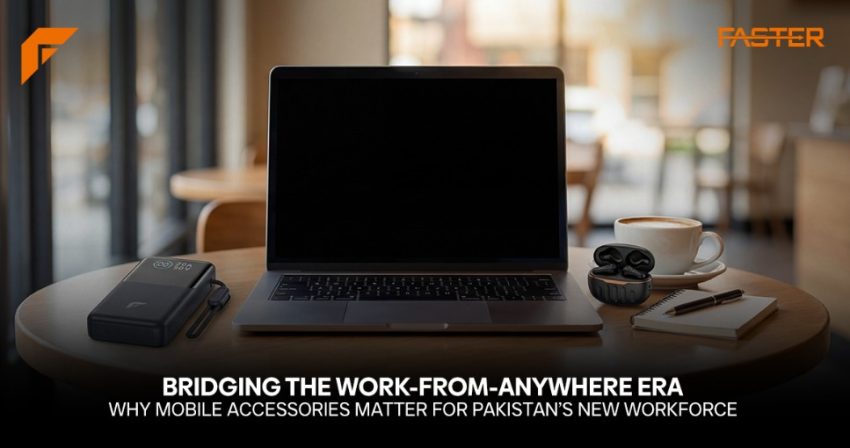
In 2026, the workplace is no longer a conventional office and more like a place with a stable internet connection. Remote and hybrid working has become the new norm in the world and in Pakistan.
According to international research, nearly 60 percent of the employees are at least partially remote workers, and a substantial proportion of the professionals adopt a hybrid or fully remote model of work, enabling them to decide their location to work weekly.
This work-anywhere model has redefined how people manage their tasks, work together as a team, and even find a job in a foreign nation. This transformation puts freedom and flexibility in the labor force of Pakistan especially the young professionals and freelancers.
However, it also comes with its own set of problems, unstable power, loud conditions, low-quality phone calls, and unreliable work arrangements. In this environment mobile accessories are no longer luxury items. They are essential tools that help remote workers stay productive, reliable, and competitive.
In this article, we explore the real challenges Pakistan’s workforce faces in the work-from-anywhere era, and how mobile accessories can solve them.
Remote Work Is Real and Growing
Remote work isn’t a fad. The trend did not disappear after the pandemic. Rather, it turned into an enjoyable mode of employment to millions.
Globally by 2026:
- Now approximately 48 percent of the workforce is working remotely or on a hybrid basis at least part-time, approximately twice the rate before the pandemic (Yomly, 2025).
- Hybrid work is the most popular model, with workers splitting time between office and remote setups.
- The surveys indicate that a huge proportion of employees appreciate flexibility so much that they would even take a pay cut in order to continue having remote opportunities.
Specifically in the Pakistani context, the official data on remote workforce is less centralized, but the trends are evidently pointing to the high growth rate. It has been shown through freelance work: it is estimated that more than 3 million Pakistanis will freelance by 2026, compared to approximately 2.3 million two years ago, as local experts access international digital working marketplaces.
Despite infrastructure issues like intermittent power and internet coverage, demand for flexible work is strong. Many Pakistanis now work remotely for companies abroad or adopt hybrid roles with local employers.
Real Work Challenges for Pakistan’s Workers
With flexibility, comes responsibility and challenges. These problems are frequently talked about in the remote community:
1. Unreliable Connectivity and Power
Pakistan still faces infrastructure barriers. Frequent electricity load management and inconsistent internet can disrupt work, especially when meetings and deadlines are involved.
For example, a freelance graphic designer in Karachi may have to attend a deadline-driven client call at 8pm, but load shedding interrupts her power mid presentation. Without backup battery solutions and reliable accessories, such interruptions can cost her professionalism and client trust.
2. Communication Quality Matters
Poor audio during virtual meetings is more than a nuisance. It can lead to misunderstandings, misplaced project details, and loss of opportunities.
A remote customer support consultant spends hours on client calls but struggles with background noise and unclear audio. Simple accessories like quality earbuds or ring-free headphones make a major difference in communication clarity.
3. Distractions and Lack of Focus
Whether working from home, a café, or a co-working space, distractions are common. Not having tools that help isolate sound or create a dedicated work environment can hamper concentration.
4. Collaboration and Engagement
Remote workers need to engage with global teams. Sharing ideas, brainstorming sessions, or casual team huddles over video calls all depend on dependable audio and collaboration tools.
Mobile Accessories: Practical Solutions for Remote Work
As work shifts out of traditional office spaces, mobile accessories become essential companions. They help solve common problems and enable productivity wherever work happens.
Better Calls With Quality Audio
Clear communication is the backbone of remote work. Tools like Faster Earbuds provide wireless convenience and clean audio, which helps users participate confidently in client calls and team meetings without fumbling with wired devices.
Benefits include:
- Noise reduction for crowded environments
- Improved mic clarity for client calls
- Comfort during long virtual sessions
For many workers, clear audio means fewer repeated questions, better collaboration, and stronger professional impressions.
Focus and Privacy With Headphones
Noise is everywhere. Family members, street sounds, construction, café background chatter, these are daily realities for many remote workers in Pakistan.
Active noise cancellation and comfortable over-ear designs in accessories like Faster Headphones help professionals create a focused work zone no matter where they sit.
For instance, you want to attends a live webinar while family conversations continue in the next room. Good headphones help you to stay engaged, avoid distractions, and make the most of your time.
Team Energy and Creativity With Portable Speakers
Not all work happens in silence. Team idea sessions and brainstorm meetings benefit from clear group audio too.
Portable sound tools such as Faster Speakers make collaborative calls more effective when multiple people are involved. Whether in a co-working space or a small team meeting, louder and better quality speakers ensure everyone hears and contributes without leaning into a single small phone speaker.
Suppose, a startup team gathers in a co-working area to share weekly updates. A portable speaker lets them manage calls with an international partner smoothly, without ear strain.
Illustrating the Shift: Remote Work Graphs
Here are simple visual representations based on real data you can use in your article:
Global Remote Work Engagement in 2025
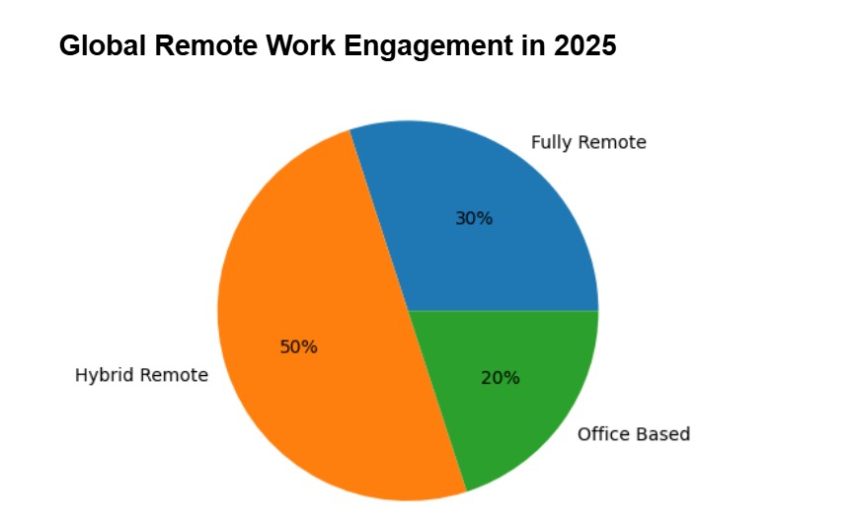
(Approximate global distribution based on multiple international surveys)
Pakistan’s Freelance Workforce Growth (2023–2025)
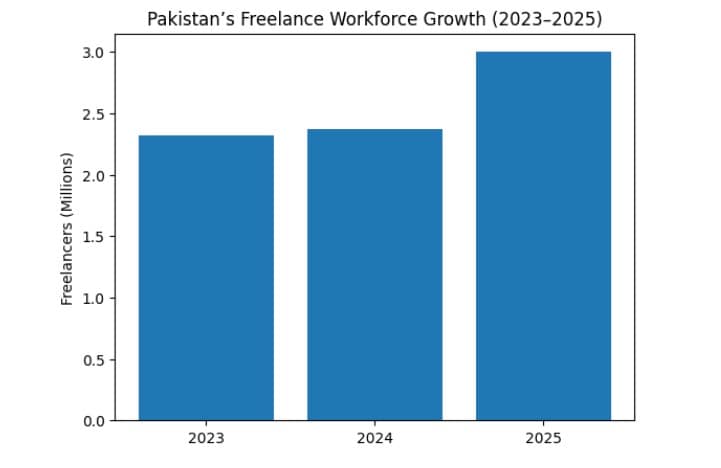
(Based on LinkedIn industry estimates)
Pakistan’s freelancing economic impact: Over 2.3 million freelancers are active in Pakistan and contributed significantly to foreign exchange earnings, generating more than $500 million per year according to industry associations and economic reporting (Propakistani, 2025).
These visuals help readers see that remote work is not just trending but becoming a structural part of global work culture.
How Accessories Improve Work Performance
Beyond solving surface problems, good mobile accessories support deeper professional outcomes:
Productivity Gains
Remote work research shows that most employees feel more productive with flexible work arrangements because they save time on commuting and can design environments that suit their rhythms.
Better WorkLife Balance
Saving time on travel and establishing a comfortable setup with the right tools can reduce burnout and enhance work satisfaction.
Wider Opportunities
Professionals with reliable setups can confidently take jobs from global platforms or international clients, irrespective of their physical location.
Moving Forward: A Connected Workforce
The work-from-anywhere shift is not just about laptops and Zoom calls. It is about preparedness, reliability, and maintaining professionalism wherever work happens.
Mobile accessories are vital tools in this ecosystem, they help people stay connected, productive, and confident on calls, during collaborations, and in daily workflows. They are not replacements for skills and training, but they are enablers that remove barriers between talent and opportunity.
As Pakistan’s workforce continues to expand into global markets, freelancers and remote employees will benefit from equipping themselves with dependable tech tools that help them meet international expectations.
Accessories That Bridge Talent and Opportunity
As Pakistan’s remote workforce continues to grow, many professionals are now becoming more intentional about the tools they use for daily productivity. Instead of treating accessories as optional, workers are looking for reliable local options that fit modern work needs.
Platforms like Faster Pakistan are often mentioned in everyday conversations because they offer practical mobile audio and work essentials that support people working from home, cafés, or shared spaces.
By understanding the realities of modern work and investing in the right tools, Pakistan’s mobile workforce can continue to thrive in this era of flexibility and global opportunity.