
DOHA – Governments in Gulf nations moved to take extraordinary security measures, amid escalation of regional tension after strikes on US military installations by Iranian forces.
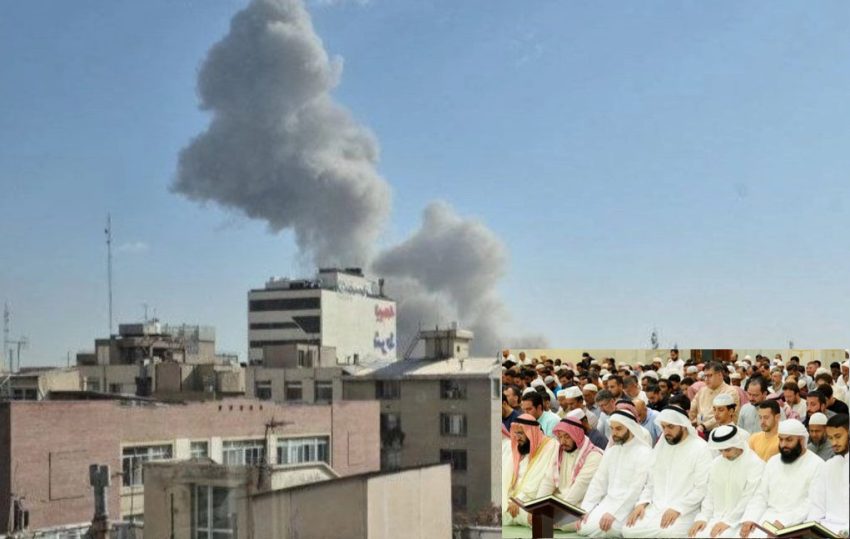
In Kuwait, all communal gatherings for Taraweeh prayers during Ramadan have been suspended. Ministry of Islamic Affairs declared that mosques across the nation will not host Taraweeh services “until further notice,” citing grave security concerns and prioritizing public safety. Officials insist the decision is temporary and that worship services will return once conditions stabilize.
Neighboring Qatar has taken equally dramatic steps. Big iftar gatherings which are integral part of Ramadan social life, have been banned nationwide. Hotels and tourist venues have also been ordered to suspend entertainment and public programs, effectively freezing many cultural activities.
The situation intensified as witnesses in Qatari capital reported hearing multiple loud explosions reverberating across the skies of Doha throughout the day. Authorities say the blasts prompted immediate precautionary action. While officials have not confirmed direct strikes within the city, reports indicate that missile fragments, either from intercepted projectiles or defensive countermeasures—fell in various locations, raising alarms and forcing tighter security protocols.
In response to the volatile environment, Qatar declared a sweeping work-from-home directive for all government employees. The Civil Service and Government Development Bureau announced that staff across ministries and public bodies should operate remotely until further notice, signaling the seriousness of the threat environment.
Analysts warn that these developments underscore the fragility of regional stability as geopolitical tensions escalate. Citizens in both nations are urged to remain vigilant while authorities continue monitoring the situation.