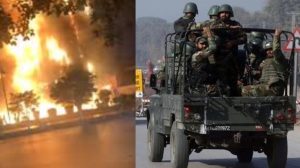

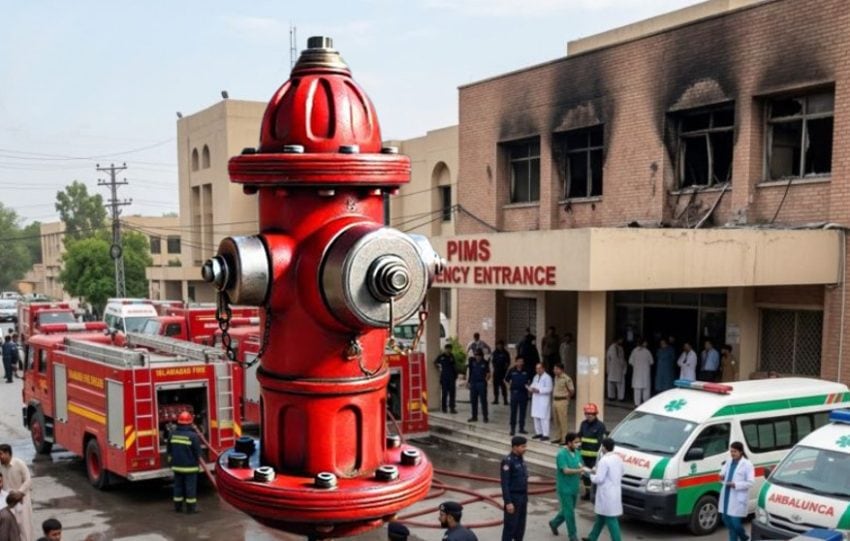
RAWALPINDI – The horrific PIMS fire incident claimed 14 newborn lives and it triggered disturbing debate, how safe are other government hospitals? A fresh safety review exposed major gap, with hospitals across Rawalpindi Division found to be operating without the required fire hydrants, raising urgent questions about preparedness for the next emergency.
As concerns grow over hospitals’ ability to respond to a major fire, the divisional administration identified need for 49 fire hydrants across public hospitals in Rawalpindi, Murree, Attock, Chakwal and Jhelum.
A meeting chaired by Commissioner Salman Ghani revealed that 21 hydrants have already been installed, while work on the remaining units is being accelerated. The meeting brought together senior health officials, hospital heads and district administrations to assess fire protection, emergency preparedness and public safety arrangements.
Commissioner Ghani ordered authorities to appoint fire wardens and safety managers in every hospital and warned that firefighting equipment must remain ready for immediate use. He directed hospital administrations to ensure 100% functionality of fire extinguishers, with regular inspections, pressure testing and maintenance made mandatory.
Officials were also told to ensure that responsible officers and relevant staff are immediately available whenever an emergency strikes. The planned hydrants are being linked with underground water systems, tubewells and storage facilities to provide hospitals with access to water around the clock during firefighting operations.
In Attock, officials reported that 98% of fire extinguishers were in usable condition, while emergency training for medical and other hospital staff is continuing. Chakwal completed fire-safety and building audits of its hospitals but still faces a requirement for 21 hydrants. In Jhelum, authorities have completed inspections of electrical wiring and building safety across hospitals.
New hydrants have already been installed at Teaching Headquarters Hospital Murree, with further work underway. Hospital staff have also completed mock emergency drills.
Wasa now entered the emergency response effort, announcing work on new firefighting infrastructure around major Rawalpindi hospitals. The water agency is installing two hydrants each around Holy Family Hospital, Rawalpindi Teaching Hospital and Benazir Bhutto Hospital. A separate survey is also underway to assess new water-supply lines for hospitals. Once the survey is completed, four additional hydrants are planned for installation next month.
The administration is also preparing for an independent review of hospital safety measures. According to the commissioner, once hospital authorities submit certification confirming that required risk-management measures have been implemented, a third party will be brought in to assess the arrangements.
The sweeping measures come in the wake of the PIMS fire tragedy in Islamabad that claimed the lives of 14 infants, putting hospital fire safety, emergency exits, firefighting equipment and preparedness under intense scrutiny.
PIMS Gets New Chief After Fire Tragedy
PIMS is undergoing major leadership shake-up after nursery fire killed 14 children. Executive Director Professor Dr Rana Imran Sikander has been suspended for four months, while NIH Executive Director Dr Muhammad Salman has been appointed PIMS Executive Director for three years, alongside his NIH duties. Dr Altaf Hussain has also been appointed Joint Executive Director for three months.
The changes follow Prime Minister Shehbaz Sharif’s decision to suspend eight officials and initiate disciplinary action against those held responsible, including senior PIMS officials, security personnel and the hospital’s private security company.
Dr Rana Imran, appointed permanent PIMS Executive Director in July 2025 after nearly six years without a permanent head, faced intense scrutiny over the fire, particularly regarding the nursery’s closed entrance, firefighting access and safety arrangements.
His original appointment had also faced challenges from senior doctors over merit, seniority, qualifications and appointment rules. The matter reached the Supreme Court, which ruled that medical specialists and faculty members could also head hospitals, clearing the way for his appointment.
PIMS Executive Director among 8 suspended over Failures behind Infants Deaths