High-stakes diplomacy was seen. Three Muslim countries flew to Iran. Meetings organised by Turkish, Pakistani, and Saudi Arabian officials with European leaders of the UK, France and Italy last Friday in Istanbul paved the way for Pakistan to take credit for organising this assembly of influentials in Tehran a day before the general elections in Israel. The situation in reality is much more complicated than it appears.
Reportedly, Houthi militia activities inside Saudi Arabia and impending US-Israel combined strikes on Iran were two areas of discussion. How much time participants give to each issue, and with what attitude and seriousness, remains to be seen. However, the kinetic happening of the last three weeks between Saudi Arabia and Yemen and its aftermath remained a source of concern for Saudi Arabiaas well as other Mecca pact signatories.
A significant part of the meeting was concerning the Houthi militia’s activities at a time when Saudi Arabian interceptors are down by 91%. Saudi Arabia is under maximum vulnerability and continuous pressure but is operating with a lot of maturity. Why Saudi Arabia is under so much pressure from many directions is by itself a bigger question.One school of thought argues that pressure on KSA is about renegotiating and reconfiguring US military presence, and that the US wants Saudi Arabia to take the initiative.
On the other hand, Saudi Arabia is not only reluctant but has some reservations and sees other alternatives. Not allowing free use of its air space during active war period in the recent past, Mecca pact and military cooperation with Ukraine are few recent steps which speak of Saudi desire for a broad based, multifaceted security umbrella than the US specific shield which she wore for 65 years.
Participation in the meeting, especially by the Saudi defence minister, was exceptionally significant. It has melted the ice where diplomacy has been allowed to stretch its limits and resultantly the situation might evolve differently aftera week or so. Reportedly, Iran has remained stubborn and apparently made very few concessions. Iran’s strategy was very clear. If we are safe, you all are safe, and vice versa. Iran’s body language seemed more prepared to absorb the impending combined strikes than to make any concessions at this point. A window of six strike days is available before celebrating mid-term election results and Netanyahu’s victory in the USA and Israel on 4 Nov.
This is still possible if Iran gets permission to sell its oil in return for opening the Strait of Hormuz. It might work for Trump at home as a last resort. It will not be a winning situation, but it may avert the disaster of war. Trump’s options, though limited, are still doable. At the same time, the global arena smells bad, as if a strike decision has already been made. If Iran survives and retaliates, the world will see a kind of recession and events not seen before.
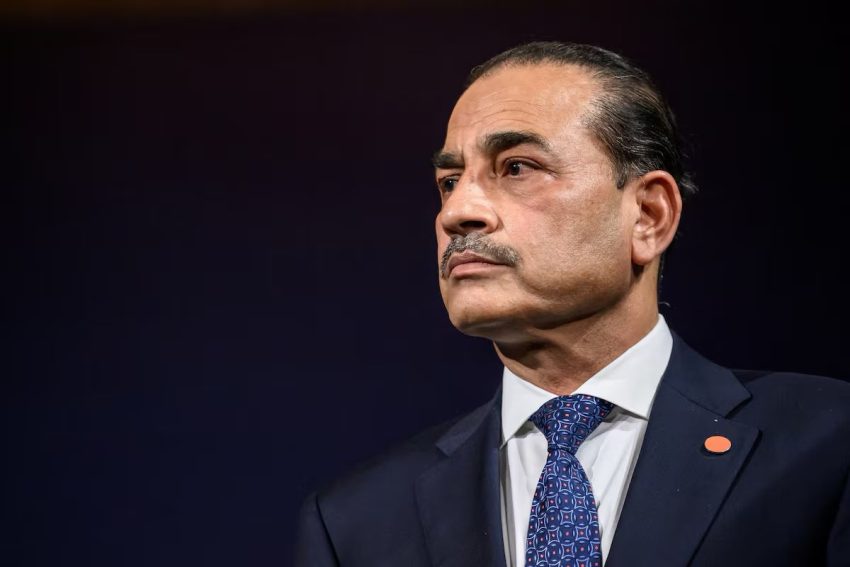
Let’s hope and pray that sense prevails over madness. Peculiar to Pakistan, in the event of a lingering and expanding Middle East conflict, the widening gap between military pressure and negotiated settlement had to be bridged. It’s a diplomatic race led by Field Marshall to prevent a wider Middle East war. Pakistan has definitely created an opportunity, but timing could not be more critical than where the clock stands today. All four countries have agreed to continue consultations on regional peace and security, which speaks to the talks’ conclusive nature and is exceptionally encouraging. Ice between Iran and Saudi Arabia is cracking if not yet melting and is likely to pave way for regional security and stability.
The US and the world need to understand how fragile temporary halts are during complicated, consequential issues. Pakistan and its top leadership are extending diplomatic reach while promoting collective understanding by tying commitments to verifiable outcomes. Lastly, what did Field Marshall actually do in Tehran? The report says he offered a deal to Iranian officials with Donald Trump’s blessing. It had something for both America and Iran. If approved, Mecca pact and Qatar shall act as guarantors.