The delusional leadership of the so-called Balochistan Liberation Army, or perhaps more accurately named Fitna al-Hindustan, made a grave calculation error. They looked at the map of Pakistan and believed that with enough foreign money, imported weaponry, and terror, they could fracture the province of Balochistan from the rest of the nation. They thought they could fight the state. Instead of bringing the state to its knees on January 29, 2026, they watched their own networks crumble into dust. The end of Operation Radd-ul-Fitna-1 serves as a harsh reality check for those intoxicated by violence. The lesson is simple and brutal: you can’t fight a state that has the fire to protect its soil, and you have already lost the moment the people turn their backs on you.
The unequivocal support from the United States and the UN following the brutal carnage in Balochistan marks a decisive shift, reinforcing that the BLA is a designated global terror threat rather than a political entity. By standing steadfast with Islamabad, Washington has effectively opened the door for a necessary crackdown that must extend beyond Pakistan’s borders to target the financing networks hiding within the West itself. Mere diplomatic condemnation is insufficient; the US must now ruthlessly hunt down the BLA’s facilitators and lobbyists operating in American cities who fuel this violence from afar. Holding these foreign-based elements accountable is the ultimate test of this alliance, ensuring there are no safe havens for those who bleed Balochistan. This commitment vindicates Pakistan’s stance and demands tangible Western cooperation to finally dismantle the international machinery of this terror outfit.
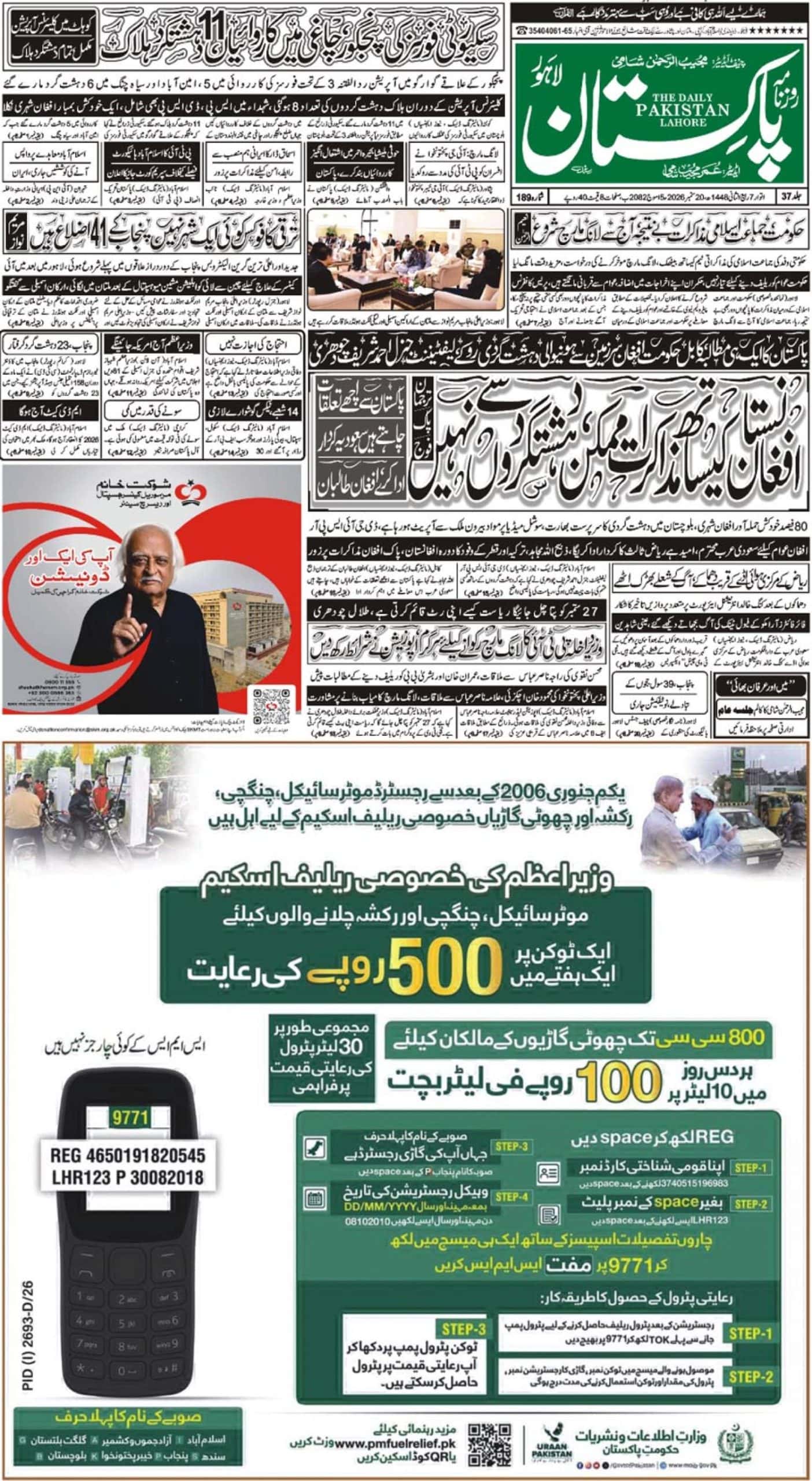
The sheer scale of this intelligence-based operation is a testament to the capabilities of Pakistan’s security apparatus. The numbers released by the ISPR do not represent mere statistics but the utter dismantling of a terror ecosystem. With 216 terrorists sent to hell, including key commanders and those manning their logistical hubs, the back of the terrorism has been broken in districts like Panjgur and Harnai. This was not a reactive skirmish. This was a systematic decapitation of a network that mistook Pakistan’s patience for weakness.
We must speak plainly about who these men were and who stood behind them. The weapons recovered from these hideouts did not grow in the mountains of Balochistan. They bore foreign markings and the distinct signature of external sponsorship. The military’s preliminary analysis confirmed what many have long known: that there is a “Fitna” being fueled from across the eastern border. This operation exposed the undeniable link between these violent FAH terrorists and their handlers in India. The architects of chaos in New Delhi thought they could fight a low-cost war through proxies, funding disruption while maintaining plausible deniability. That cover has been blown. The neutralization of 216 assets represents a massive loss on their investment in terror.
However, the cost of sovereignty is never cheap, and the nation’s heart is heavy. In the pursuit of these monsters, Pakistan lost 36 innocent civilians—women and children caught in the terrorists’ desperate crossfire—and 22 brave sons of the soil from the security forces. These martyrs stood between order and anarchy. Their sacrifice is the mortar that holds the foundation of this country together. Every drop of blood spilled in Harnai and Panjgur reinforces the resolve that Balochistan is, and will eternally remain, an integral part of Pakistan.
The world can no longer afford to look the other way while Afghan soil becomes a launchpad for chaos that endangers us all. Pakistan was saying this since many many years. Now, This is a wake-up call for global leaders: your silence is now dangerous. The time for polite diplomacy and feigned neutrality is over. Operation Radd-ul-Fitna-1 didn’t just clear out bunkers; it produced the undeniable “smoking gun” evidence that the international community demands. If the United Nations Security Council is serious about fighting terror, it must stop dragging its feet. The BLA and its suicide cult, the Majeed Brigade, must be branded globally as banned terrorist organizations immediately. To see this evidence and do nothing is to be complicit. Dismantling them implies attacking their financial veins and political cover abroad. If the global powers turn a blind eye to Indian sponsorship of these groups while lecturing others on security, their hypocrisy will be etched in history.
The message to the surviving elements of Fitna al-Hindustan is simple. Look at your 216 fallen comrades. They believed they would win. They believed their foreign masters would save them. Instead, they died in the dust, their command structures shattered and their hideouts sanitised. Fighting the state is a death sentence.
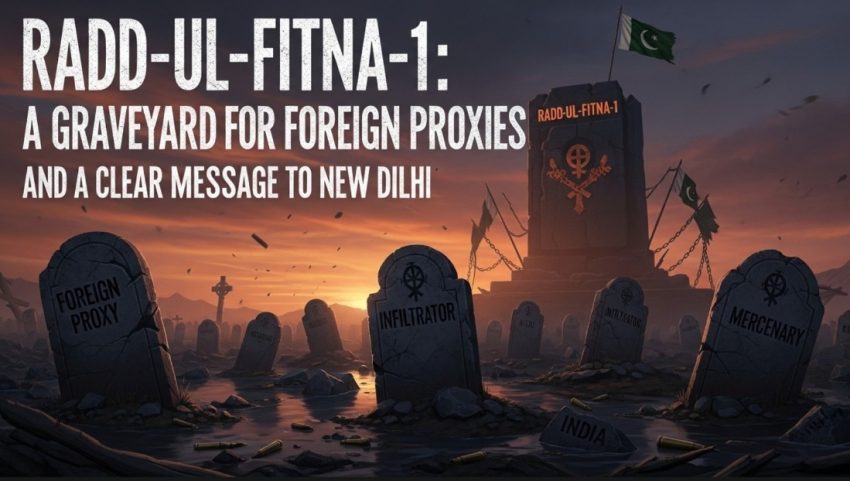
More importantly, this operation sends a direct, unblinking signal to India. Your strategy has failed. The aggressive response from Pakistan’s Law Enforcement Agencies has proven that sleeper cells can be unearthed and “strategic assets” can be eliminated with precision. You tried to politicise cricket, you tried to isolate Pakistan on the global stage, and you tried to ignite flames in Balochistan. In every arena, you are met with resilience. The triumph of Operation Radd-ul-Fitna-1 is proof that Pakistan prefers peace and development, but it possesses the iron will to crush anyone who mistakes that preference for hesitation. Balochistan stands tall. The fitna has been buried.
Foiled in Balochistan: Bashir Zaib and, Terrorists of Fitna al-Hindustan, Fitna al-Khawarij Exposed