The aftermath of the general elections in Israel and the midterm polls in the USA have altered the global political scene, but whether this has ended the war remains questionable. In fact, these political changes have added new dimensions to the ongoing confrontation between the USA and Iran. Trump and Netanyahu have received the political shock of their life but will this change produce a conclusive strategic settlement in the West Asian region? Will this political setback force Trump to hide from a military confrontation, or will a US President who has invested heavily in war, is politically and diplomatically cornered, and is angry, lash out, lose control, and still attempt a military victory before agreeing to a diplomatic compromise?
Trump has lost control of both houses while Netanyahu’s bloc has lost its parliamentary majority. In my opinion these facts have changed the political environment but they do not immediately eliminate the military competences or strategic ambitions of both leaders. In Israel opposition is not a cohesive entity and its dependence on Arab led parties have complicated the formation of a government and entire political process remains uncertain. More importantly, a change of government in Israel does not necessarily mean a change in state policy towards Iran. For the Israeli security establishment, Iran’s nuclear capability, missiles, including drones, strength, and regional influence are major security concerns even today, so strategic confrontation with Iran is not likely to be abandoned by Israel, but its mechanism and intensity may change.
There is no doubt that the political mosaic within the USA will now exert its influence. Congress will now proactively challenge U.S. military funding and weapons policies, with investigations into the adopted war strategy and greater accountability for the cost and objectives of the Iran war, but the elected Congress and Senate will take office in January 2027. Thus, in the next one and a half months, Trump’s immediate military decision-making authority remains largely intact despite four principal reasons spelt out by Vice President JD Vance, including ending the war with Iran and changing the relationship with Israel, to which Iran’s foreign minister has given his rebuttal by asking the vice president of the USA to give lectures to his boss, who is preparing for a renewed conflict with Iran. Iran’s supreme leader has also shown similar concerns after the mid-term polls.We must keep in mind that Trump suffered an electoral defeat but still has the executive power to escalate or de-escalate the conflict. Democrats will not be able to stop the war immediately but can only make things difficult for Trump.
Political freedom stands constrained, but it has not eliminated military freedom, at least in the near future. Trump has clearly said after the midterm polls that he did not regret initiating the war against Iran. However, common American has shown his complete unwillingness to bear the economic cost of this prolonged and lingering conflict but we must remember the reality that political and military weaknesses are two different things. Trump is now definitely looking for a negotiated exit but is reluctant to accept any settlement that Iran can portray as a victory.
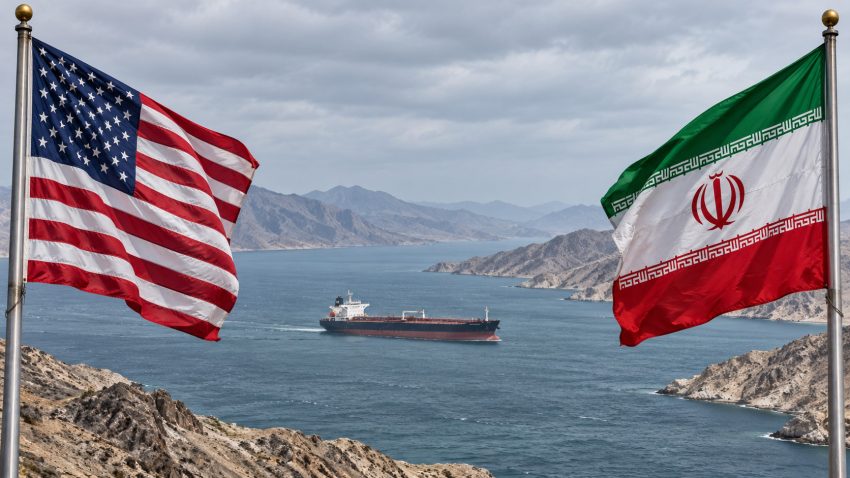
Operational capabilities and conventional military advantages of the USA and Israel cannot be underestimated by Iran. This is the potential leverage available to Trump, while Iran’s strategic leverage lies in its ability to impose costs through regional disruption, use of missile capability, asymmetric warfare, and its ability to continuously exert its control in the Strait of Hormuz. However, attacks on shipping and repeated mining incidents involving oil tankers after midterm elections make it an active military and economic confrontation rather than a political dispute. Excessive pressure by Iran could provoke a response. Iran must demonstrate measured confrontation combined with negotiations. There could be three possible scenarios. First, military pressure continues with limited attacks and diplomatic contacts, and no comprehensive settlement emerges until Trump is in office. The second, but remote, possibility is a renewed major military escalation followed by Iranian retaliation, while the best scenario is an agreement involving the nuclear issue, maritime security and suspension of major hostilities.
Trump wants a settlement that he can portray as an American victory while Iran wants recognition of its strategic interests and permanent end to hostilities. Most likely, a strategic deadlock will remain. The near future is likely to be an uneasy equilibrium in which limited military operations may continue at a reduced or intermittent level while negotiations also remain active. The world is likely to witness a precarious combination of military pressure, diplomatic manoeuvring, and limited escalation rather than either a comprehensive peace or an all-out regional war. It will not be peace, but a conflict temporarily managed through deterrence and exhaustion.