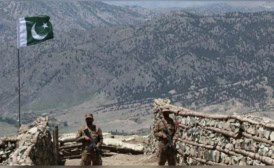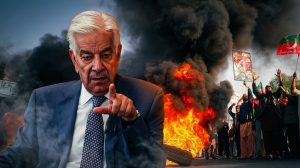

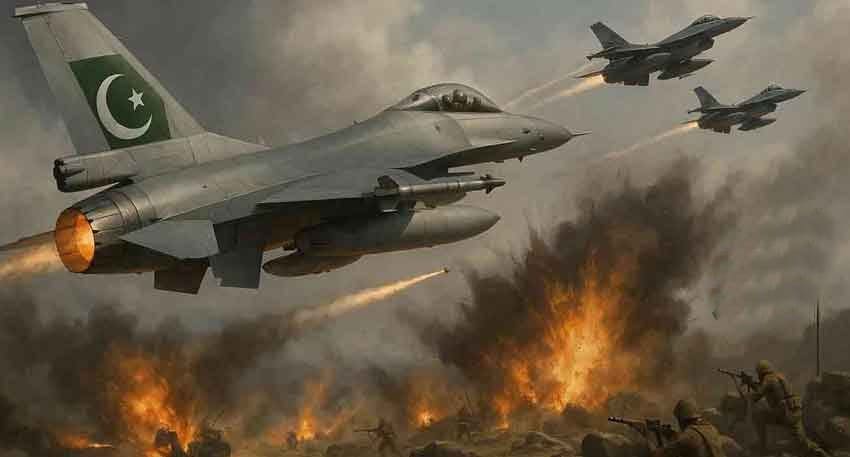
ISLAMABAD/KABUL – Tensions remained at all-time high between Islamabad and Kabul as Pakistan carried out military strikes, targeting terror camps in Afghanistan, deepening an already volatile security and diplomatic standoff following recent suicide attacks and cross-border skirmishes.
Pakistan Information Ministry announced it struck multiple militant camps and hideouts near the border, targeting fighters linked to the banned Tehreek-i-Taliban Pakistan (TTP) which state refers to as “Fitna al Khawarij” along with affiliates and the Islamic State-Khorasan Province (ISKP).
⚔️Pakistan Strikes Hard in Afghanistan 9.0⚔️
A major blow to terror networks. Pakistan’s precision strikes have reportedly killed over 120 terrorists from TTP, AQ, HQN, TTA & ISKP, with 1 top tier TTP leader also believed to be killed (verification pending).
These strikes send… pic.twitter.com/0PtKh5yoHx
— Zain ul Abideen 🇵🇰 (@mrxainu) February 22, 2026
Officials revealed operation early Sunday in a post on social media, calling it as a calculated, intelligence-driven assault carried out in direct retaliation for a deadly string of suicide bombings that have rocked the country in recent days.
The strikes come in the wake of multiple attacks that sent shockwaves through Pakistan. Among them: a suicide bombing at an Imam Bargah in Islamabad, deadly assaults in Bajaur and Bannu, and yet another explosion in Bannu during the holy month of Ramazan.
Pakistan claimed conclusive evidence that these attacks were orchestrated by militant commanders operating from Afghanistan. Officials said responsibility was claimed by Afghanistan-based TTP elements. The targets were selected through precise, intelligence-based operations. While reaffirming Pakistan’s stated commitment to regional peace and stability, authorities made it clear: the safety of Pakistani citizens “comes first and foremost.”
Pakistan sharply criticized Afghan Taliban administration, accusing it of failing to take meaningful steps to prevent Afghan soil from being used to launch attacks inside Pakistan. Despite what Islamabad described as repeated diplomatic efforts, it said the interim Afghan government had not acted decisively against militant sanctuaries.
Pakistan also called on the international community to press the Taliban to honor commitments made under the Doha Agreement, specifically, the pledge to ensure Afghan territory is not used to threaten other nations.
Ties between Islamabad and Kabul have been strained since Taliban returned to power in 2021, but tensions surged dramatically following a February 16 vehicle-borne suicide bombing in Bajaur district near the Afghan border.
In that attack, militants rammed explosives-laden vehicle into the Malangi check post after an exchange of gunfire. Eleven Pakistani soldiers were killed. A young girl lost her life, and seven others, including women and children, were injured when a nearby residential building was damaged in the blast.
Investigators identified the suicide bomber as Amad, also known as Qari Abdullah or Abu Zar, allegedly linked to the Afghan Taliban’s special forces in Balkh province. The TTP claimed responsibility.
Just days later, on February 21, another suicide attacker struck during an intelligence-based operation in Bannu, killing a lieutenant colonel and a sepoy. The military accused militants of exploiting Afghan territory to stage cross-border attacks and condemned the violence carried out during Ramazan, declaring that such acts have “no link with Islam.”
Pakistan terms Taliban threats ‘Empty, Meaningless’ as Kabul vows revenge after strikes