ISLAMABAD – A first-of-its-kind national study on freedom in Pakistan shows interesting facts on how citizens experience freedom in their daily lives, showing pretty good personal freedoms alongside growing concerns about governance, the economy, and justice.
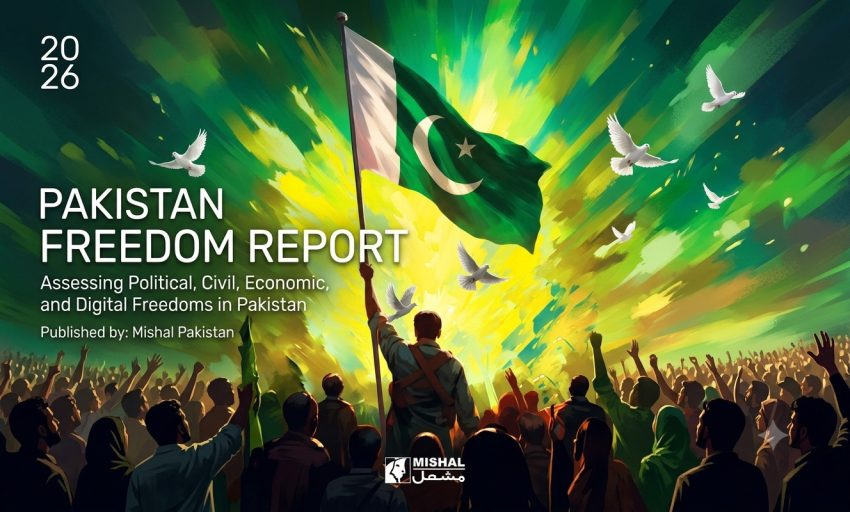
State of Freedom Report Pakistan 2026 was released in Islamabad at the Institute of Strategic Studies (ISSI) the country’s tried measuring political, economic, social, legal, and digital freedoms in one framework. The report was prepared by Mishal Pakistan, Pakistan’s partner institution of the World Economic Forum, and launched in the presence of government officials, diplomats, lawmakers, academics, and civil society representatives.
The findings suggest society that feels relatively open in its personal and professional choices. 77% of respondents said they are free to choose their profession, while 75% believe businesses can operate without unnecessary government interference. The same proportion also expressed confidence that women are increasingly being provided opportunities and pathways for empowerment.
Religious freedom, often considered a sensitive indicator in Pakistan, was viewed positively by 65% of respondents, while 69% said national planning should extend beyond short-term cycles of five years, indicating a public desire for longer-term policy thinking and continuity. Yet beneath these encouraging figures lies a deeper sense of disconnect between citizens and the state.
Around two third of respondents believe ordinary people have little or no influence over government decision-making, pointing to what the report describes as a perceived gap between governance structures and public voice while 58% of citizens reported concerns about their personal financial and economic situation, reflecting persistent economic anxiety in daily life.
The report highlights Pakistan’s rapidly expanding digital ecosystem as one of its strongest emerging stories. With over 190 million mobile connections, around 140–150 million broadband users, and nearly 70 million social media users, the country is experiencing a fast-paced digital shift. IT and freelancing exports have now crossed $3 billion annually, signaling the growing role of Pakistan’s youth in the global digital economy.
However, the justice system continues to face serious strain. The report notes that more than 2.2 million cases remain pending in courts, while over 102,000 people are currently held in prisons, underscoring longstanding concerns about delays and capacity within the legal system.
Experts said freedom is strengthened when institutions are accountable and citizens’ voices are reflected in policymaking. He described the report as an important step toward evidence-based governance and rebuilding public trust. The report also flags a set of looming national challenges that could shape Pakistan’s future trajectory, including climate change, water scarcity, cybersecurity threats, misinformation, unemployment, and widening economic inequality.
Where can Pakistanis get Residency and Citizenship with Minimum Investment in 2026?