

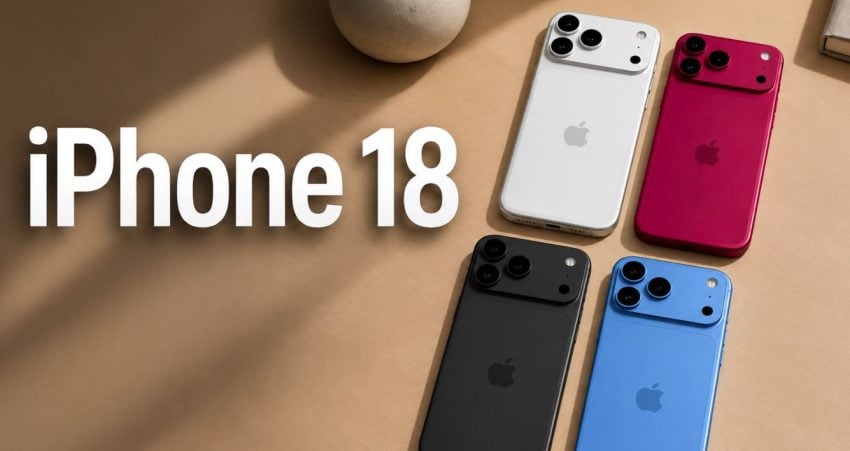
CUPERTINO – iPhone 18 prices is expected to increase as the global AI frenzy continues to put pressure on the memory chip supply chain, making key smartphone components more expensive as compared to 16 and 17 series.
In June 2026, Apple CEO Tim Cook confirmed that a price increase for upcoming iPhones would be unavoidable. According to Cook, the primary reason behind the decision is a shortage of RAM supplies, although he did not disclose how much prices would increase. Now, a new report suggests that the hike may be far smaller than many had feared.
The tech giant is expected to keep starting price of every iPhone 18 model by just $50 compared to the previous generation. The company is also reportedly looking for ways to offset rising production costs, including expanding the use of its own in-house C-series modem, reducing reliance on third-party suppliers.
iPhone 18 Pro will start at $1,149, up from $1,099, while the iPhone 18 Pro Max will begin at $1,249, compared to the current $1,199 starting price.
| Model | Expected Price |
| iPhone 18 Pro | $1,149 |
| iPhone 18 Pro Max | $1,249 |
The projected increase is considerably lower than earlier reports, which claimed Apple could raise iPhone 18 prices by as much as $200 over the iPhone 17 lineup. The expected price increase is being driven by an unprecedented surge in demand for memory and storage chips.
As technology companies race to build massive AI data centers, demand for high-performance memory has skyrocketed, creating shortages across the semiconductor industry. The increased competition for these components has forced suppliers to raise prices, affecting manufacturers across the consumer electronics market.
Apple remains one of the world’s largest buyers of memory chips, but it is now competing directly with AI companies investing billions of dollars in next-generation infrastructure.
The memory and storage components inside the iPhone 18 Pro alone could cost Apple approximately $150 more per device than the equivalent components used in the iPhone 17 Pro, highlighting the growing financial impact of the AI hardware race. Rather than passing the full increase on to consumers, Apple is reportedly attempting to absorb a significant portion of the higher manufacturing costs.
One strategy involves greater adoption of Apple’s own C-series modem, which could reduce component expenses and improve integration while helping offset the rising costs of memory and storage hardware. This approach could explain why the expected retail price increase is limited to $50, despite component costs reportedly climbing much higher.
Beyond pricing, Apple is also expected to overhaul its traditional iPhone release schedule. Instead of launching the entire lineup together, the company is reportedly planning a staggered rollout. iPhone 18 Pro models are expected to debut in September 2026, alongside Apple’s first-ever foldable iPhone, marking one of the company’s biggest product launches in years.
The standard iPhone 18 and the iPhone Air 2 are expected to arrive separately in early 2027, representing a major shift from Apple’s long-standing annual launch strategy.
iPhone 0% Markup Installment Plans in Pakistan with EMI as Low as Rs7,500 Per Month