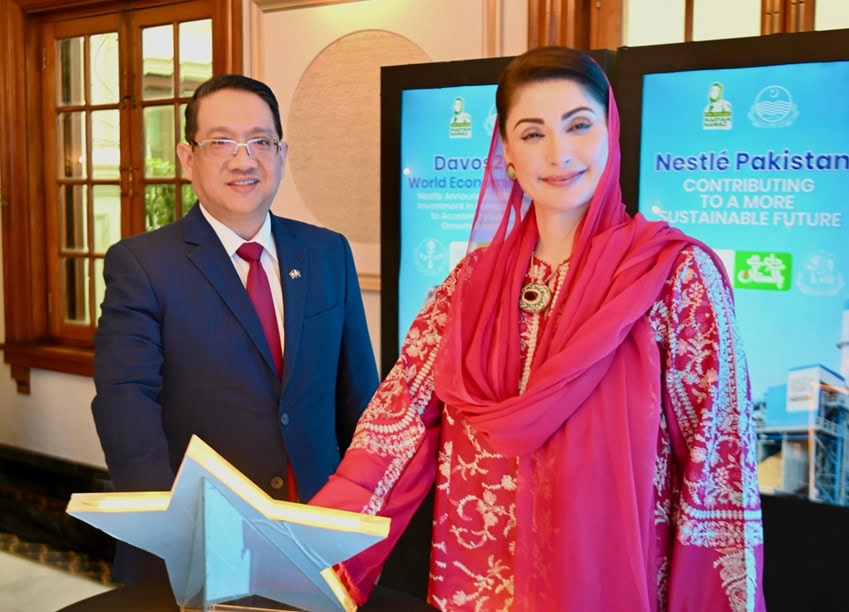
LAHORE – Punjab took another step towards a cleaner future as Chief Minister Maryam Nawaz Sharif led launch of Nestlé Pakistan’s $4.5 million biomass energy project, which will convert agricultural waste into renewable steam and help cut thousands of tons of carbon emissions annually.
The plant represents major milestone in Nestlé Pakistan’s renewable energy and sustainability journey and reinforces Nestlé’s global ambition of achieving net-zero greenhouse gas emissions by 2050. With an investment of USD 4.5 million, the Biomass Steam Plant is part of Nestlé Pakistan’s wider sustainability initiatives and renewable energy investments. It also builds on the company’s investment commitments announced at the World Economic Forum in Davos of PKR 17 billion, equivalent to USD 60 million, in Pakistan for the 2026–2028 period.
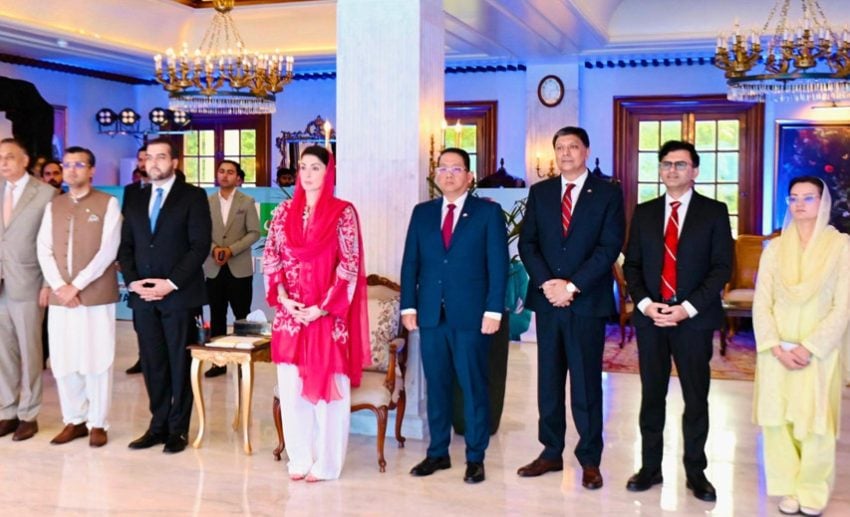
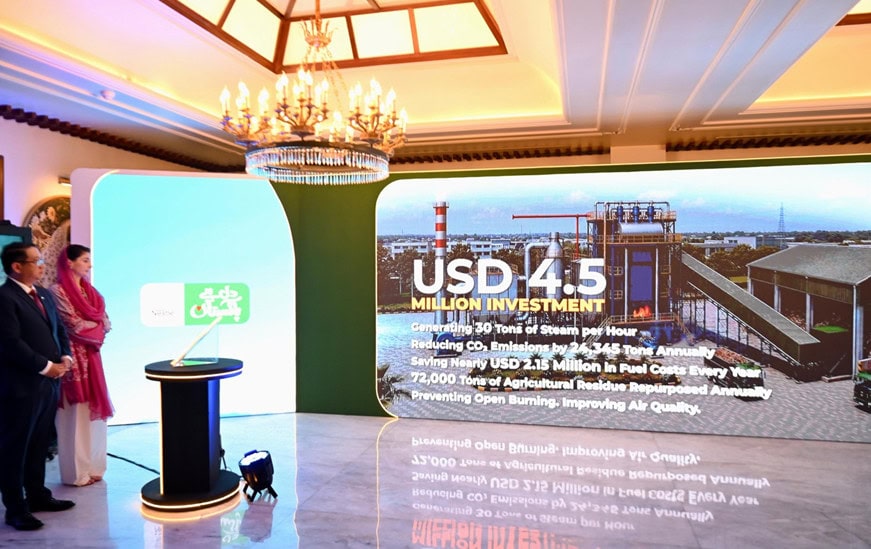
Once operational, the project will generate 30 tons of steam per hour using agricultural waste, offering a cleaner, renewable alternative to conventional fossil fuel-based energy sources.The initiative contributes to SDGs 7 on Clean and Affordable Energy, and 13 on Climate Action, advancing lower-emission energy and more responsible resource use.
Speaking at the ceremony, Jason Avanceña, CEO & MD, Nestlé Pakistan, said, “The Biomass plant in Sheikhupura is an important step in our journey towards reducing greenhouse gas emissions and advancing cleaner manufacturing. By utilizing nearly 72,000 tons of agricultural residue annually, the Biomass Steam Plant is expected to reduce approximately 24,345 tons of CO₂ emissions every year, while supporting more sustainable agricultural practices and contributing to Punjab’s clean air priorities. The project is also expected to deliver estimated annual fuel cost savings of around USD 2.15 million”.
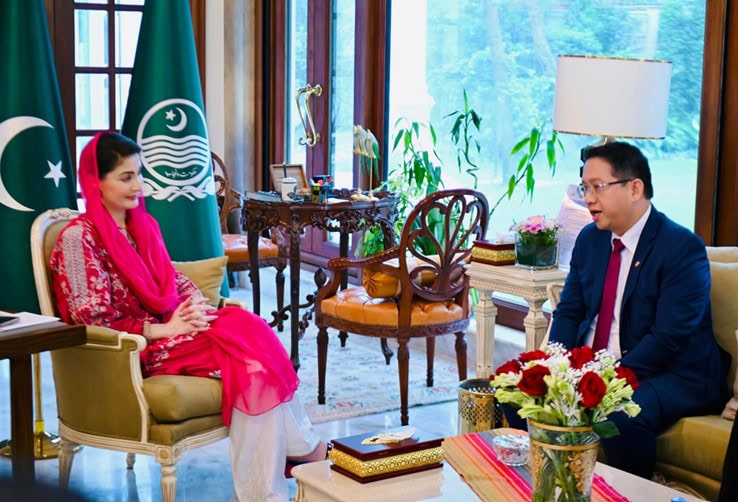
Addressing the ceremony, CM Maryam Nawaz Sharif appreciated Nestlé Pakistan’s contribution to the country’s industrial and environmental sectors, saying the biomass steam plant reflected Pakistan’s growing commitment to promoting the circular economy and renewable energy solutions. She said the project was fully aligned with the Punjab government’s priorities of environmental protection, cleaner air and sustainable industrial development, adding that such initiatives would play a vital role in addressing climate challenges and promoting responsible industrial practices.
Emphasizing the wider significance of the initiative, Sheikh Waqar Ahmad, Head of Corporate Affairs& Sustainability, Nestlé Pakistan, said, “By reducing reliance on fossil fuel-based energy sources and promoting the productive use of agricultural residue, the Biomass Steam Plant supports Pakistan’s transition towards cleaner energy solutions. The project highlights the growing role of public-private partnerships in strengthening industrial competitiveness and advancing environmental sustainability.”
Nestlé Pakistan initiates first urban forest tree plantation in Lahore