
Written By: Chaudhri Sher Afzal Khan Babar
Advocate, High Court, Research Associate, NIMA

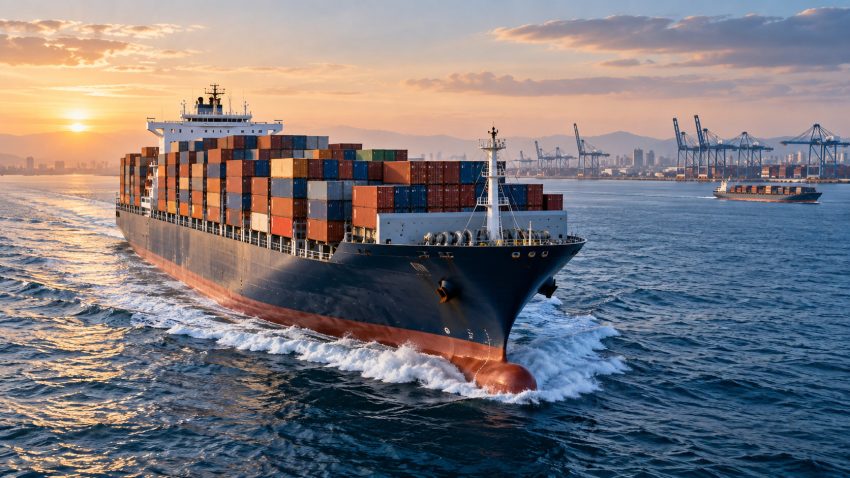
It is generally believed that trees provide us with oxygen to breathe; however, the reality is that the vast majority of Earth’s oxygen originates from our oceans. While trees produce oxygen under sunlight during the day through photosynthesis and release carbon dioxide at night, the oceans produce abundant oxygen while continuously absorbing massive amounts of carbon dioxide, serving as a critical stabiliser for global weather patterns. Beyond climate regulation, the oceans absorb land-based runoff, effluents, and pollutants carried by rivers and streams. However, the primary significance of the oceans lies in their role as vital conduits for global trade, maritime connectivity, and energy distribution. Over 90% of world trade, along with essential oil and gas supply chains, relies on maritime shipping, making it the safest, most efficient, and cost-effective mode of transportation globally.
Beyond these global benefits, coastal waters offer immense economic value. Pakistan boasts a coastline spanning over 1,000 kilometres with a broad continental shelf rich in marine life, including commercial species of fish, shrimp, tuna, and sardine. These resources sustain millions of livelihoods, generate valuable foreign exchange through seafood exports, and meet domestic nutritional needs. Beyond fisheries, marine resources provide raw materials for pharmaceuticals, sea salt, and cosmetics. Furthermore, Pakistan’s coastal landscapes, pristine beaches, offshore islands, and coral reefs offer significant potential for ecotourism, sailing, and diving.
Despite this maritime wealth and interdependence, a profound indifference toward ocean affairs—a phenomenon termed “Sea Blindness”—persists among the broader public. A key driver of this gap is that Pakistan’s coastline is confined solely to Sindh and Balochistan. While Balochistan possesses an extensive coastline, its low population density and historical lack of major industrial or commercial centres have hindered the full activation of its maritime economy. Under the China-Pakistan Economic Corridor (CPEC), substantial real estate and infrastructural investments were made in Gwadar, yet genuine Blue Economy integration and industrial development remain limited. Connectivity gaps have prevented Gwadar from integrating smoothly into the national economic mainstream as intended. Meanwhile, a large portion of Sindh’s rural population lives far from the coast, while landlocked regions like Punjab, Khyber Pakhtunkhwa, Gilgit-Baltistan, and Azad Kashmir lack direct coastal access. Consequently, general detachment from maritime affairs remains a concern that urgently requires a sustained push for national maritime awareness.
In response, the National Institute of Maritime Affairs (NIMA)—the nation’s premier maritime think tank—has consistently worked to highlight the significance of the Blue Economy among policymakers and the general public. As part of these efforts, NIMA has been regularly organising the International Maritime Symposium in Islamabad since 2018.
The four previously held symposia addressed central themes, including the impact of CPEC, sustainable development goals (SDGs), and the broader objectives of the Blue Economy. These forums brought together international delegates—including representatives from the International Maritime Organisation (IMO)—alongside leading experts, legal scholars, and defence analysts from China, Russia, the UK, the US, Türkiye, and Sri Lanka. These discussions elevated Pakistan as an active hub of maritime diplomacy and offered clear, actionable frameworks for policymakers to navigate evolving regional security challenges and economic realities.
Building on this momentum, the next International Maritime Symposium is scheduled for October 28, 2026. The central theme for this edition is “A Rule-Based International Order at Sea and the New Paradigm of Maritime Security.” Prominent national and international experts have been invited to participate in comprehensive debates on these pressing issues. It is strongly hoped that this upcoming symposium will successfully achieve its designated objectives, fostering greater maritime consciousness and strategic vision across the nation.
The author is a retired officer of the Pakistan Navy; at NIMA, he manages the Maritime Law & Governance Desk. He holds an LL.M. and an LL.B. from the University of Karachi (Sindh Muslim Law College), and an MBA from Bahria University. His research and legal practice focus extensively on international maritime law, territorial jurisdictions, and governance frameworks within the maritime domain. He can be reached at sakbabar@gmail.com