
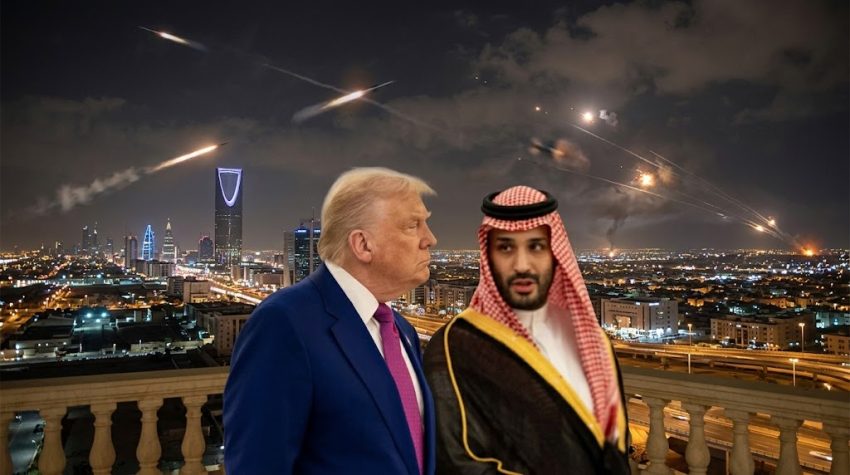
RIYADH – Saudi Arabia is facing military and economic squeeze as repeated missile and drone attacks deplete its air-defence ammunition, expose gaps in Western support and threaten to prolong economic troubles.
The Oil rich nation is confronting growing challenge to its security as its forces struggle to sustain air-defence operations against Iranian and Houthi attacks while seeking additional military assistance and fresh financing.
Amid back-to-back attacks, Riyadh is increasingly concerned about dwindling supplies of Patriot interceptors, limited progress on further assistance from Western allies and the difficulty of protecting critical infrastructure across its vast territory.
The pressure extends beyond the battlefield. Saudi Arabia’s oil-related economic activity contracted by almost 25% in the second quarter, while discussions over loans worth between $6 billion and $8 billion have highlighted the financial strain associated with the ongoing regional conflict.
Riyadh is reportedly growing frustrated with the limited scale of defensive assistance provided by its Western partners despite repeated attacks on Saudi territory. US, and some other countries reportedly offered intelligence, military advisers and targeting assistance in certain circumstances. However, Washington reportedly stopped short of approving broader involvement, including support for Saudi requests related to recovering territory held by Yemen’s Houthi movement.
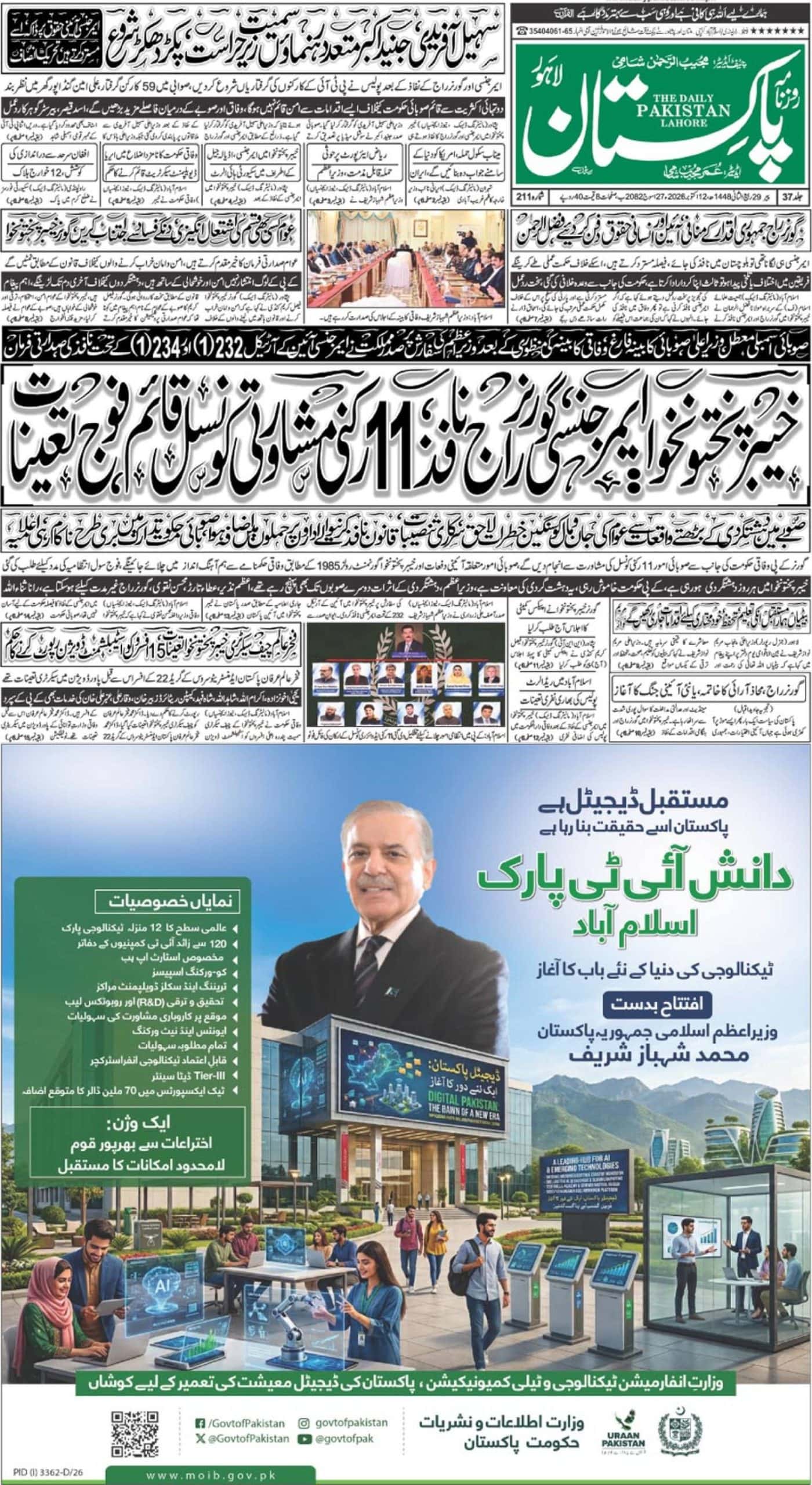
Saudi Arabia consequently approached Britain, France, Pakistan, Egypt and other partners in search of additional air-defence systems and ammunition. The challenge is becoming more pressing as repeated engagements consume available interceptors. Even when incoming threats are successfully intercepted, the process places further demands on limited stocks that may take months or longer to replenish.
UK provided limited defensive boost in late September by deploying RAF Voyager aerial refuelling aircraft to RAF Akrotiri in Cyprus around September 21–22, following a Saudi request. The aircraft allows Saudi Eurofighter Typhoon jets and other compatible aircraft to remain airborne for extended periods, improving their ability to respond to incoming drones and missiles.
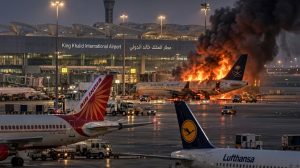
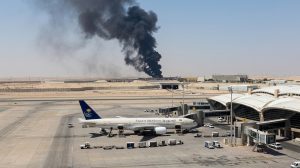
Pakistani national killed, 11 injured in fresh attack on Riyadh airport
The availability of interceptor missiles has emerged as one of Saudi Arabia’s most pressing security concerns. Repeated attacks involving drones, cruise missiles and ballistic missiles have placed heavy demands on the kingdom’s Patriot systems and, to a lesser extent, its Terminal High Altitude Area Defense (THAAD) capabilities.
Saudi Arabia is running short of interceptors following repeated attacks, including deadly strikes on Riyadh’s airport. Reports have put the death toll at approximately 12–13 people, with hundreds injured, although these figures require independent confirmation.
The reported shortage has prompted Saudi authorities to reposition air-defence batteries to prioritise royal palaces, major energy installations and other critical infrastructure. Riyadh is also seeking additional defensive systems and interceptors from Pakistan and other potential suppliers. However, defending a territory of Saudi Arabia’s size becomes increasingly difficult when attacks occur repeatedly or across multiple locations.
Saudi Arabia’s security challenges have coincided with a sharp contraction in its oil economy, intensifying pressure on government finances. Data from the kingdom’s General Authority for Statistics show that oil-related economic activity fell by 24.8% year-on-year in the second quarter of 2026. The decline contributed significantly to an estimated 4.7% contraction in overall real GDP during the same period.
Oil production reportedly dropped from approximately 9.2 million barrels per day a year earlier to an average of around 6.7 million barrels per day during the affected period.
Disruptions linked to the Iran war have affected production and export operations, with problems around the Strait of Hormuz, constraints involving Bab al-Mandeb and subsequent pipeline-related difficulties adding to the pressure.
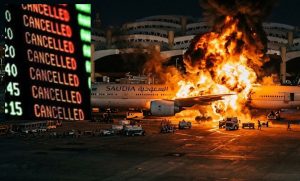
Riyadh, Jeddah, Madina Airport Flight Updates amid Saudi Attacks