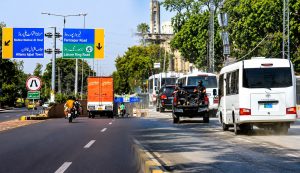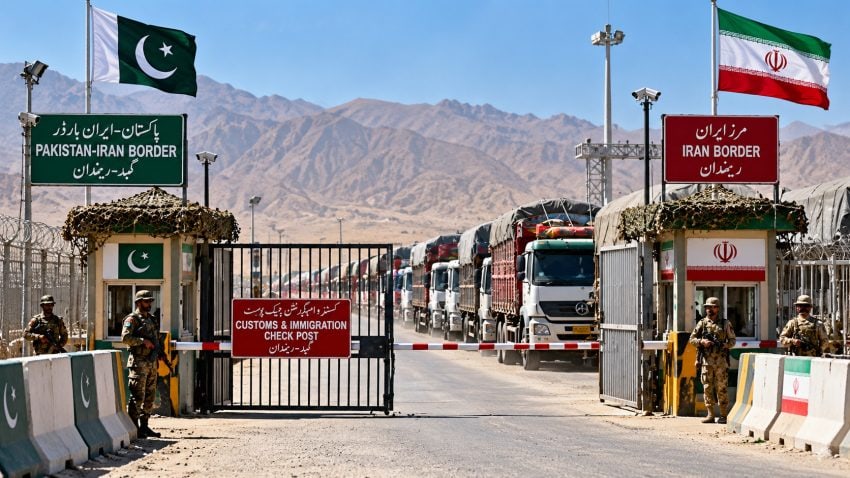
ISLAMABAD – Sigh of relief for traders as Pakistan reopened its key Gabd-Rimdan border crossing with Iran, allowing return of commercial shipments, LPG and food supplies.
The border reopening follows security measures and operation in which 10 militants were reportedly killed, offering fresh hope of easing LPG shortages and rising prices, although uncertainty continues over trade operations at the Taftan crossing.
Commercial activity resumed at Gabd-Rimdan border crossing, following 7-day suspension that had brought a major part of Pakistan-Iran trade to a standstill. The reopening comes just two days after armed attackers torched dozens of freight vehicles near the border, triggering a security operation in which Pakistan’s military reported killing 10 militants.
Located in Gwadar district of Balochistan, the crossing connects Pakistan with Iran’s Sistan-Baluchestan province and has emerged as an important route for LPG, food commodities and other commercial shipments since its inauguration in 2020.
Gwadar officials confirmed that commercial vehicles had started crossing the border in both directions, bringing much-needed relief to traders and transporters. However, the resumption is initially restricted to consignments carrying invoices or shipping documents dated October 16 or earlier.
The week-long closure left hundreds of trucks carrying LPG, rice, fruit and other products stranded on both sides of the frontier. For transporters, the reopening means an opportunity to finally deliver goods that had been stuck for days. For businesses, it offers a chance to recover from mounting delays and financial losses.
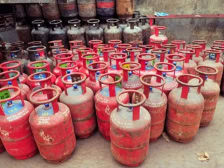
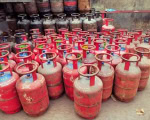
One of key concerns during the shutdown was its impact on Pakistan’s LPG market. Before the suspension, industry reports suggested that more than 4,000 tonnes of LPG were entering Pakistan daily through the Gabd-Rimdan route, making it a major supply corridor for the country. The sudden interruption squeezed supplies, worsened shortages and contributed to a sharp increase in LPG cylinder prices.
The crisis started after mid-October when Ministry of Commerce suspended commercial trade through two major border crossings, Gabd-Rimdan and Taftan. The decision followed the withdrawal of an earlier government notification issued on October 3, effectively stopping the movement of commercial consignments through both routes.
Pakistani officials later pointed to security threats, smuggling concerns and the need for tighter border controls. Iran, meanwhile, termed interruption as temporary and linked it to technical issues, with officials indicating that consultations were underway to resolve the matter.
On October 22, armed men attacked freight vehicles parked near the closed crossing. Dozens of trucks were reportedly set ablaze, including vehicles transporting fruit, while other commercial vehicles were damaged. The attack sparked fears among drivers and traders who had already been waiting for days to resume their journeys.
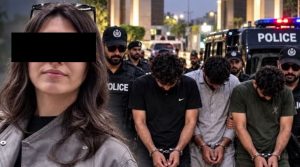
Pakistan’s Armed Forces announced that security forces had killed 10 militants, including one woman, during operations in the Gabd and Gwadar areas. One civilian was killed during the incidents, while no security personnel were reported killed. Reports linked the violence to Baloch militant groups, although responsibility for the attacks on the trucks was not independently established.
Although Gabd-Rimdan has reopened, uncertainty remains over the full restoration of commercial operations at Taftan, another important trade crossing between Pakistan and Iran. Both routes were affected by the October 17 suspension, but the latest confirmation of resumed bilateral commercial traffic specifically concerns Gabd-Rimdan.
Islamabad and Tehran continue efforts to strengthen economic cooperation despite regional instability and security challenges along their shared border. Both countries have previously discussed plans to expand bilateral trade to $10 billion, an ambition that depends heavily on reliable transport links and uninterrupted commercial movement.
Over 2,000 Containers stranded as Pakistan shuts Iran Border amid ‘Security Fears’