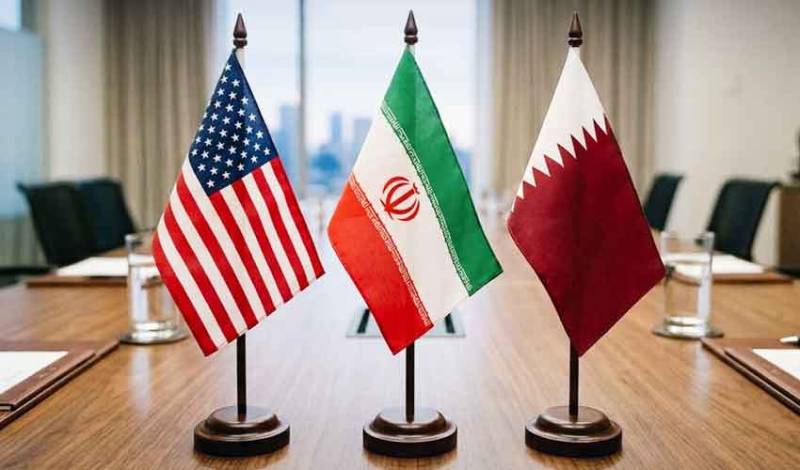
WASHINGTON/TEHRAN – Peace hope in sight after months of brutal attacks, as Tehran signals possible shift in its nuclear negotiating position, while President Donald Trump intensifies diplomatic efforts after major Republican defeat in US midterm elections.
With unprecedented military confrontation, soaring energy prices and stalled peace negotiations, fresh diplomatic activity involving Washington, Tehran and Qatar raised hopes that the two adversaries could move closer to an agreement capable of ending one of the most dangerous conflicts in the Middle East.
The potential opening comes with conditions, as Tehran continues to demand major concessions from Washington before agreeing to formal negotiations.
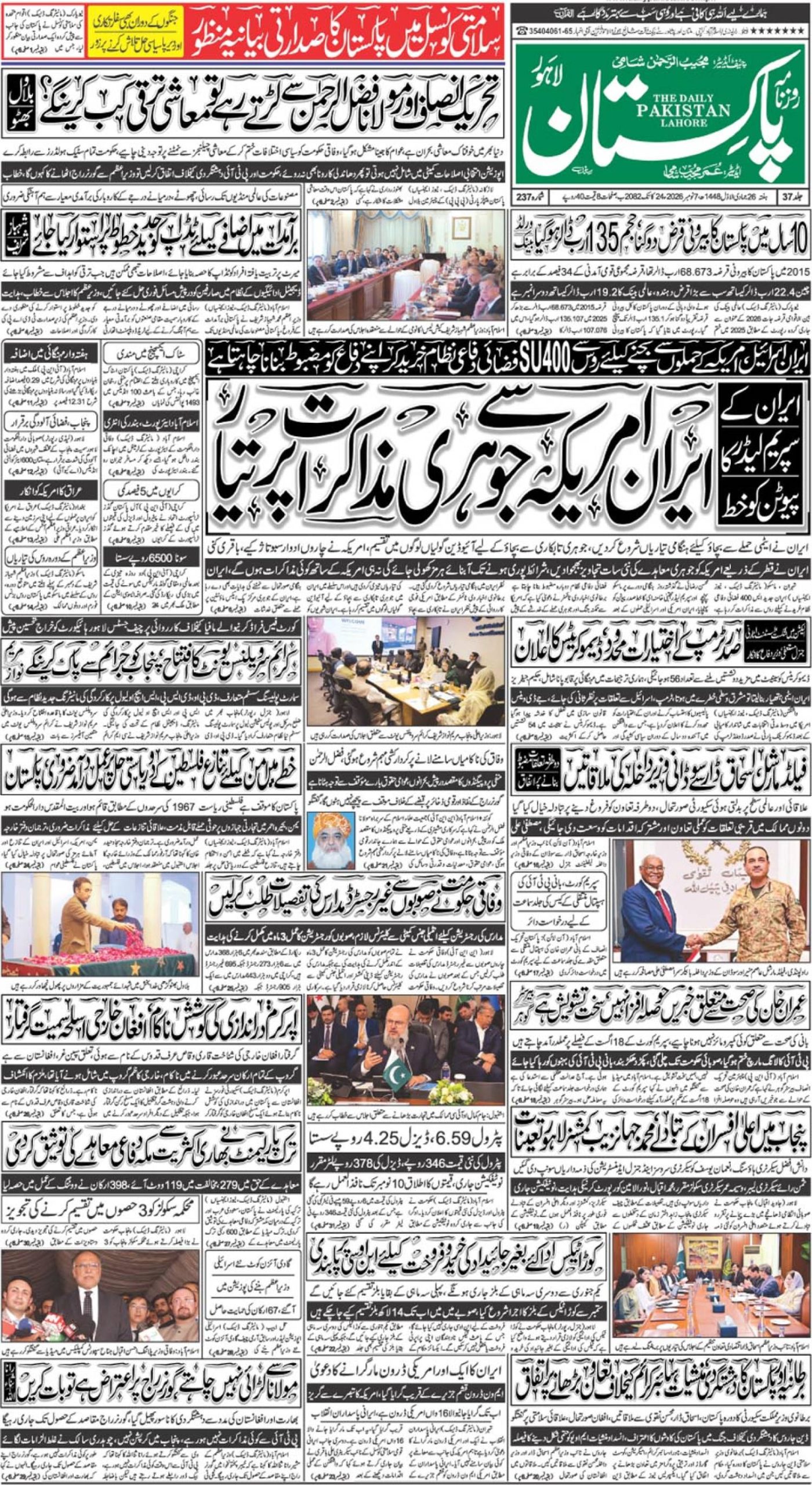
Iran reportedly submitted fresh nuclear proposal to US through Qatar, which has emerged as the central mediator in efforts to prevent another escalation. Tehran also made further negotiations conditional on Washington fulfilling seven demands, including lifting American sanctions, releasing frozen Iranian assets, providing compensation for wartime destruction and removing restrictions affecting Iranian ports.
Iran also wants broader regional hostilities addressed as part of any lasting settlement, arguing that negotiations cannot succeed without meaningful changes to the existing security situation. Washington, meanwhile, insists that Tehran’s nuclear programme must be included in the opening phase of negotiations rather than being postponed until a later stage.
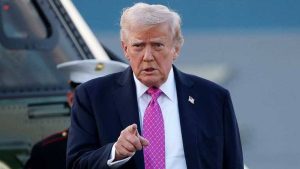
Diplomatic efforts gathered momentum when President Donald Trump held a telephone conversation with Qatar’s Emir, Sheikh Tamim bin Hamad Al Thani. The two leaders discussed reducing tensions across the Middle East, advancing negotiations and exploring opportunities for a comprehensive agreement between Washington and Tehran.
Qatar maintained communication with both sides and presented proposals intended to bridge their differences over nuclear activities and regional security. Qatari leadership has emphasised that sustained dialogue and diplomatic engagement remain essential to preventing another devastating escalation.
The latest discussions follow months of diplomatic deadlock after an interim peace arrangement broke down in June 2026, leaving efforts to secure a lasting settlement largely frozen. Although no agreement has been announced, renewed communication has strengthened hopes that negotiations could regain momentum.
Despite encouraging diplomatic signals, Tehran has warned that meaningful negotiations cannot proceed without concrete action from Washington. Iranian officials have linked the resumption of talks and reopening of the strategically important Strait of Hormuz to the fulfilment of their conditions.
The waterway remains a central element of the dispute because of its importance to international oil shipments and global energy security. Diplomatic discussions have reportedly explored an interim confidence-building arrangement, sometimes described as a bridge deal, under which both governments could take reciprocal steps to reduce tensions.
Under such a potential agreement, Washington could ease maritime restrictions and release certain Iranian funds. In exchange, Tehran could grant inspectors from the International Atomic Energy Agency access to nuclear facilities damaged during military strikes and take steps towards reopening the Strait of Hormuz.
Such measures could establish the foundation for broader negotiations, although no final terms or commitments have been officially confirmed.
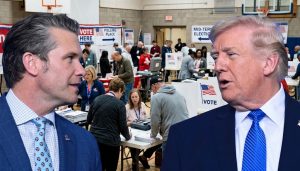
The latest diplomatic developments come at a politically sensitive moment for President Trump, whose Republican Party suffered major losses in the November 3 midterm elections. Democrats secured control of both the House of Representatives and the Senate, making significant gains in traditionally Republican states and delivering a serious political setback to the administration.
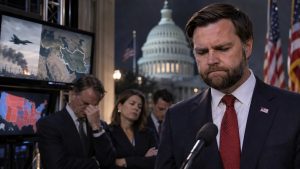
The prolonged conflict with Iran, coupled with soaring gasoline prices, inflation and growing economic uncertainty, became a major political liability for Republicans. Vice President JD Vance openly acknowledged the war’s impact on the election results, declaring, “The reason we lost is the war.”
Trump also recognised that the conflict had contributed to his party’s electoral difficulties, although he continued to defend the military campaign as necessary to prevent Iran from acquiring nuclear weapons.
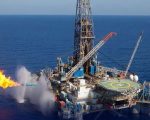
The fighting disrupted regional security and threatened critical energy infrastructure, maritime transportation routes and international oil supplies. Global energy markets experienced severe volatility as fears grew over disruptions to shipments passing through Hormuz.
US Midterm Elections 2026: Trump suffers Major Blow as Democrats Sweep Key States