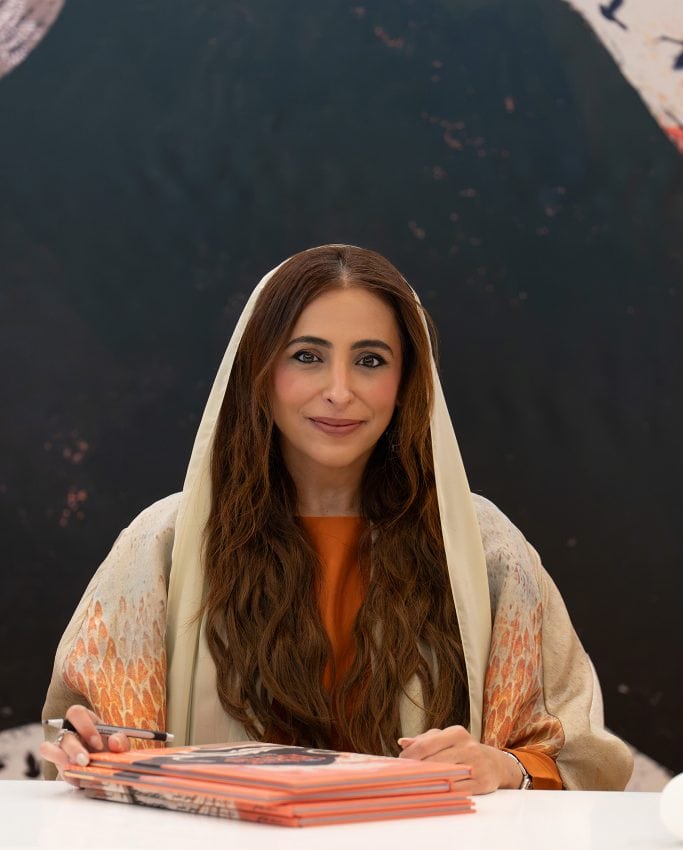
SHARJAH – Sheikha Bodour Al Qasimi, UNESCO’s goodwill ambassador for education and book culture, has launched Young Voices, an international anthology project for emerging writers aged 18 to 30 with ties to any of the 27 UNESCO World Book Capital cities.
The initiative, launched in support of UNESCO’s World Book Capital programme, invites writers to explore their lived experiences, identities and hopes for the future under the theme “My World, My Voice”. Submissions opened on Nov 17 and will close on Feb 28, 2027.
“Every generation deserves the opportunity to tell its own story,” Sheikha Bodour said. “Through the theme ‘My World, My Voice’, we are inviting young writers to contribute to a global conversation about who we are, what we value and the future we want.”
Who can apply
Applicants must be aged 18 to 30 at the time of submission and must live in, come from or have a meaningful connection to an eligible city or its wider community. The cities include Sharjah, Madrid, Alexandria, New Delhi, Beirut, Rabat and Rio de Janeiro.
Entries must be original and unpublished and may be submitted in Arabic, English, French or Spanish. Short fiction, creative nonfiction, letters to the future and experimental writing are capped at 1,500 words. A poetry entry may include up to three poems totalling no more than 500 words.
The organisers said no previous publishing experience was required and encouraged applications from first-time writers and those from underserved communities.
How to submit
Each applicant must submit one entry with a biography of up to 150 words explaining their connection to an eligible city and a personal reflection of up to 250 words on why the work matters to them and what they hope readers will take away from it. Applications can be submitted online.
Applicants must disclose any use of AI tools, including how and why they used them. The editorial committee may decline entries that rely substantially on AI-generated content.
Selected writers will receive editorial support and mentorship ahead of publication in 2027. Their work may be edited or translated in consultation with them. Writers will retain copyright and grant the organisers non-exclusive permission to edit, translate, publish and promote selected works.