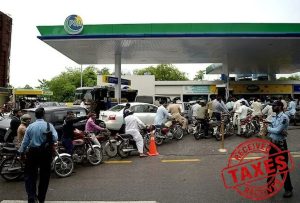


DHAKA – Global oil prices continue to go higher amid geopolitical tensions in the Middle East, adding pressure to economies worldwide.
Bangladesh could face a rise in petroleum prices next month as global energy markets continue to experience significant volatility. While addressing parliament, Energy Minister Iqbal Hasan Mahmud indicated that the government may consider increasing domestic fuel prices depending on developments in international oil markets.
The minister explained that under Dhaka’s existing pricing mechanism, petroleum prices are reviewed every month. If global market conditions justify an increase for the upcoming month, the proposal will be submitted to the cabinet for approval before any final decision is implemented.
Mahmud highlighted that escalating geopolitical tensions in Middle East are contributing to uncertainty in global energy supplies. In particular, developments involving Iran and concerns about potential restrictions on shipping through the Strait of Hormuz have heightened fears of disruptions in oil transportation routes.
Any disruption in this critical maritime corridor could significantly affect global oil flows and push fuel prices higher worldwide, he added.
Global energy markets are witnessing intense fluctuations, with a “war-risk premium” pushing crude oil benchmarks to multi-year highs. As of Tuesday, April 7, 2026, West Texas Intermediate (WTI) crude climbed to $113.70 per barrel, surpassing the global benchmark Brent crude, which is trading at $110.48 per barrel.
Heating oil recorded one of sharpest increases in the sector, rising by 4.90 percent to reach $4.540. Analysts attribute this jump to tightening inventories and seasonal shifts in demand.
WTI Midland is currently priced at $124.87, while Mars crude has climbed to $125.34, reflecting strong physical demand for North American crude supplies in global markets.