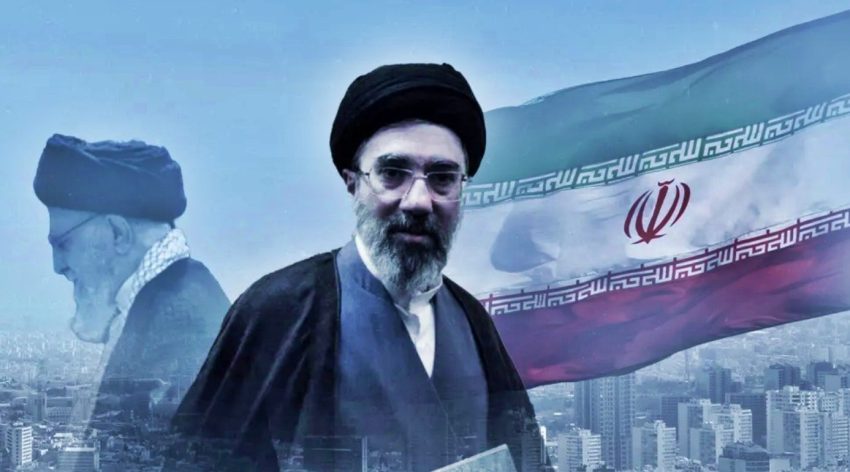
TEHRAN – Mojtaba Khamenei has been picked as the Iran’s new Supreme Leader after death of his father, Ali Khamenei, who was assassinated earlier this month during US and Israeli air strikes on Tehran.
The decision was announced shortly after midnight in Tehran by Assembly of Experts, the powerful 88-member clerical body responsible for selecting Iran’s highest authority. In a formal statement, the council said it had chosen Ayatollah Seyyed Mojtaba Hosseini Khamenei by a decisive vote, making him the third Supreme Leader of the Islamic Republic of Iran.
The appointment instantly places Mojtaba Khamenei at the center of Iran’s political, military, and religious power structure during one of the most volatile moments in the country’s modern history. As Supreme Leader, he now holds ultimate authority over the state, the armed forces, and key institutions of the Islamic Republic.
Iran’s ambassador to the United Nations confirmed that the military operations killed at least 1,332 Iranian civilians and injured thousands more. The conflict has also claimed American lives. US military confirmed that a seventh American service member died from injuries sustained during Iran’s retaliatory strikes.
The announcement came a day after Donald Trump presided over the return of the remains of six other American personnel killed during the attacks.
Despite growing international pressure for de-escalation, Iran’s parliamentary speaker Mohammad Bagher Qalibaf declared that Tehran is not seeking a ceasefire and will continue responding to what it calls foreign aggression.
Who is Mojtaba Khamenei?
Mojtaba has remained out of public view, most of his life. The 56-year-old cleric has never held a formal government position, rarely appears publicly, and has given almost no speeches or interviews.
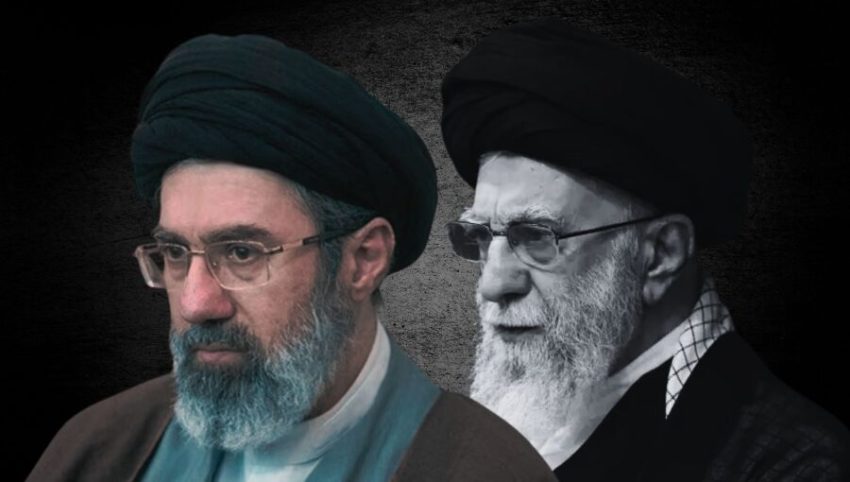
Yet behind the scenes, many believe he wielded enormous influence. Interestingly, during his lifetime Ali Khamenei rarely discussed potential successors. Two years ago, one member of the Assembly of Experts claimed that the late leader opposed the idea of his son being considered for the position, though he never publicly confirmed it.
Mojtaba was born in 1969 and is second of Ali Khamenei’s six children. He attended Tehran’s Alavi School before briefly serving in the military at age 17 during the Iran–Iraq War, the brutal eight-year conflict that deeply shaped Iran’s distrust of the West.
In 1999 he moved to Qom, one of the most important centers of Shia religious scholarship, to continue his theological studies. Notably, he only began wearing clerical attire at that time and entered the seminary at around 30. A similar precedent occurred in 1989, when Ali Khamenei himself was quickly elevated to the rank of Ayatollah after becoming Supreme Leader.
Mojtaba first entered the political spotlight during the 2005 presidential election, which brought hardline leader Mahmoud Ahmadinejad to power.
Reformist candidate Mehdi Karroubi accused Mojtaba in an open letter of interfering in the vote by using elements of the Islamic Revolutionary Guard Corps and the Basij militia to distribute money among religious groups in support of Ahmadinejad.
Iran says Sorry to Neighbours over Strikes, Yet confronts US at Key Shipping Route