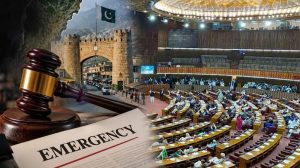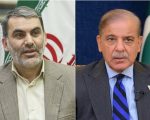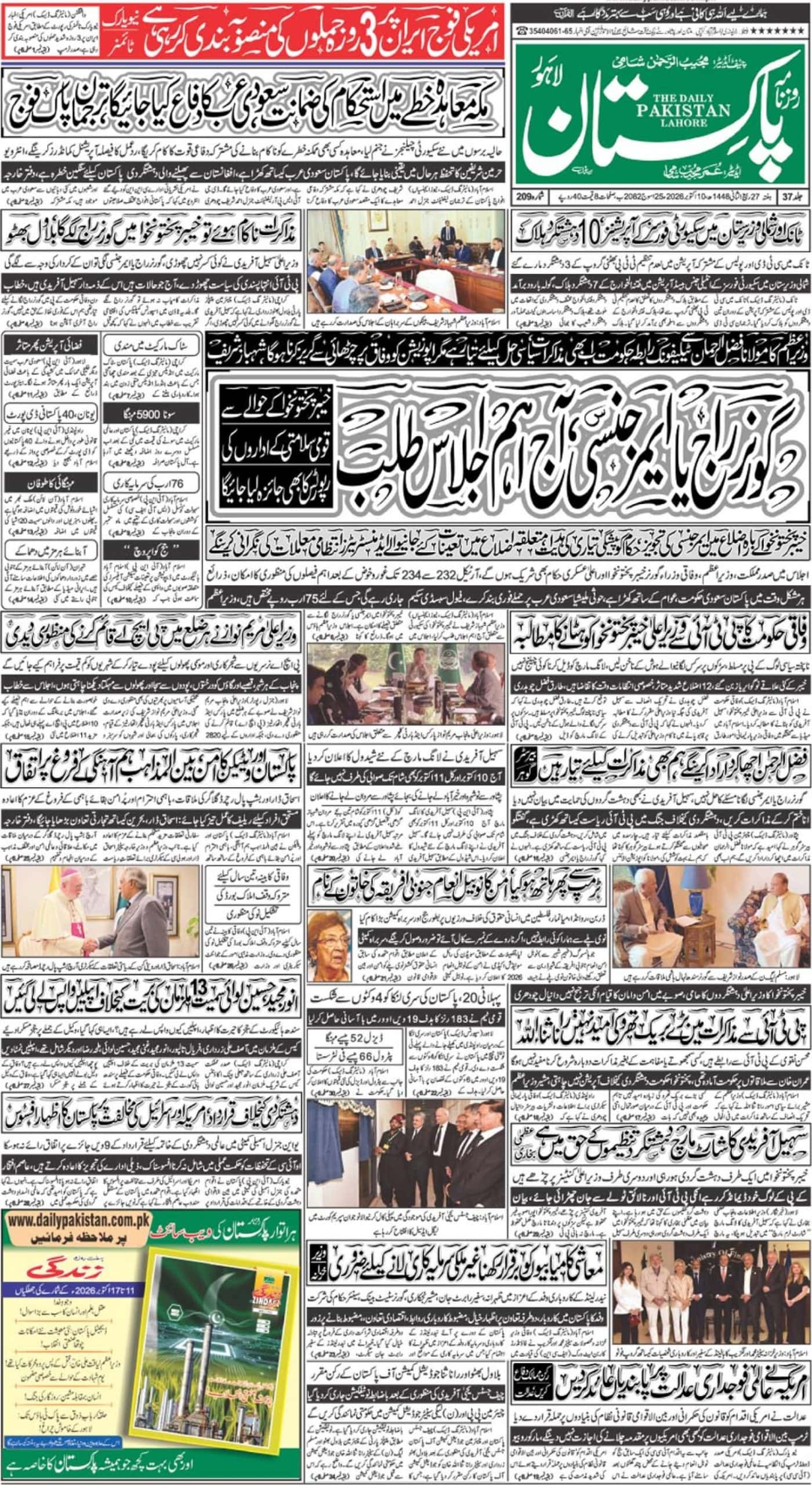

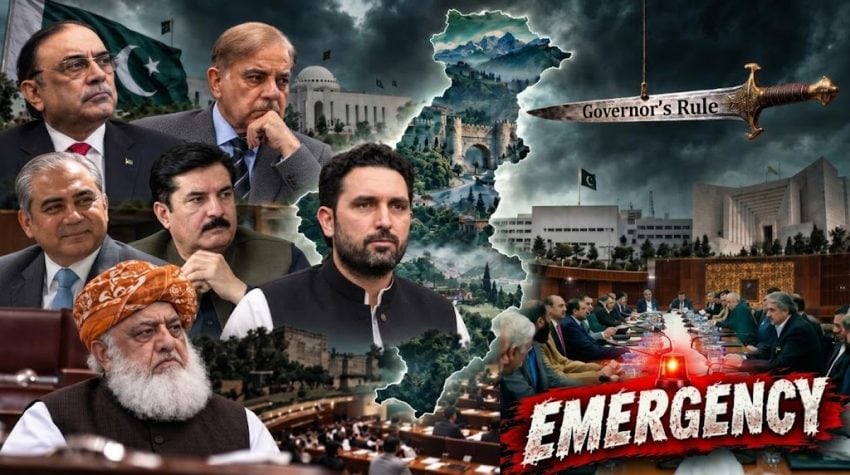
ISLAMABAD – Pakistan’s ruling alliance reportedly agreed to invoke Articles 232 and 234 of the Constitution to impose an emergency and Governor’s Rule in Khyber Pakhtunkhwa in light of the current political and security crisis.
A report by ARY News shared details of a proposed plan that could bring major changes to the province’s administrative structure, with the federal government considering emergency measures in selected districts and Governor’s Rule in the remaining areas.
The reported consensus comes amid escalating tensions between Centre and the provincial government led by Chief Minister Sohail Afridi, with terrorism, governance disputes and PTI’s protest movement adding to the political confrontation. However, the reported agreement has yet to translate into a formally implemented constitutional arrangement.
The proposed arrangement could involve imposing an emergency in 12 districts of Khyber Pakhtunkhwa while enforcing Governor’s Rule in the rest of the province. The districts reportedly under consideration for emergency measures include Kurram, Upper South Waziristan, Lower South Waziristan, North Waziristan, Bajaur, Mohmand, Khyber, Orakzai, Bannu, Lakki Marwat, Tank and Dera Ismail Khan.
According to the reported plan, a FATA Council could be established under federal control to oversee administrative affairs, development projects and law and order in the 12 districts. The proposed council would reportedly be headed by an additional chief secretary and include an additional inspector general of police and local representatives.
Articles 232 and 234
The proposed move centres on two constitutional provisions that serve different purposes and carry significant consequences for provincial governance.
Article 232 allows emergency proclamation when the country, or a part of it, faces a qualifying threat to security because of war, external aggression or internal disturbances beyond a provincial government’s capacity to control. If invoked, the provision could enable the federal government to assume specified provincial executive functions and allow Parliament to legislate on provincial matters within the constitutional framework.
Article 234 applies when the president is satisfied that the government of a province cannot be carried on in accordance with the Constitution. Under a proclamation, the president may assume provincial governmental functions, while Parliament may exercise the legislative powers of the provincial assembly, subject to constitutional requirements.
The proposed combination would therefore raise two separate questions: whether the security situation justifies an emergency and whether the constitutional machinery in KP has genuinely broken down.
KP Emergency Plan heads to Parliament as NA, Senate Sessions set for Oct. 13
Constitutional experts have cautioned that each provision must independently meet its legal requirements. Political differences between the Centre and a provincial government would not, on their own, establish sufficient grounds for intervention.
KP Governor Faisal Karim Kundi publicly indicated that an emergency, Governor’s Rule or both measures could be imposed if the president and prime minister consider them necessary. Kundi has also said that the two measures could potentially apply to different areas, with an emergency in one part of the province and Governor’s Rule in another.
The reported plan emerged against the backdrop of ugly political confrontation between the federal government and PTI, which governs Khyber Pakhtunkhwa. PTI and the provincial administration oppose extraordinary federal intervention, arguing that it would undermine provincial autonomy and raise serious constitutional concerns.
The dispute also intensified amid PTI’s protest march and demands linked to party founder Imran Khan, who remains in Adiala Jail. Federal officials, meanwhile, have cited terrorism, law and order and alleged governance failures as reasons for considering stronger measures.
Information Minister Attaullah Tarar has accused the provincial government of failing to adequately strengthen counterterrorism infrastructure, including forensic laboratories, Safe City systems and the Counter Terrorism Department. These are allegations made by the federal government and remain part of the wider political dispute.