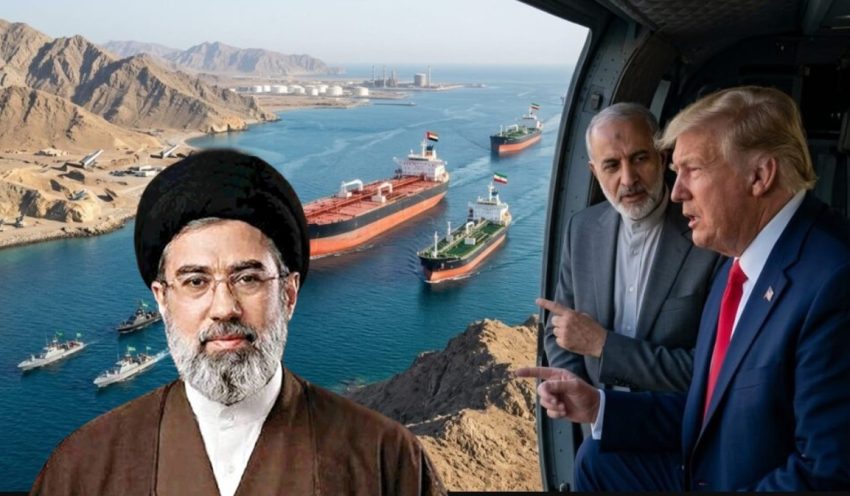
TEHRAN – Strait of Hormuz has once again become the centre of a high-stakes standoff, with Iran telling Washington that the key waterway will remain closed unless the US honours its commitments under the Islamabad MoU.
Iran linked the reopening of the strategically vital Strait of Hormuz to US fulfilling its commitments under the Islamabad Memorandum of Understanding, in fresh warning that the waterway may not return to its pre-war status.
Yadollah Javani, political deputy of Iran’s Islamic Revolutionary Guard Corps (IRGC), said the war must end in accordance with the Islamabad memorandum and that the Strait of Hormuz would be reopened only after Washington fulfils its obligations under the agreement.
“The war should end in accordance with the Islamabad memorandum, and the Strait of Hormuz will be opened when the US fulfils its responsibilities under this memorandum,” Javani said in interview with Iran’s state broadcaster.
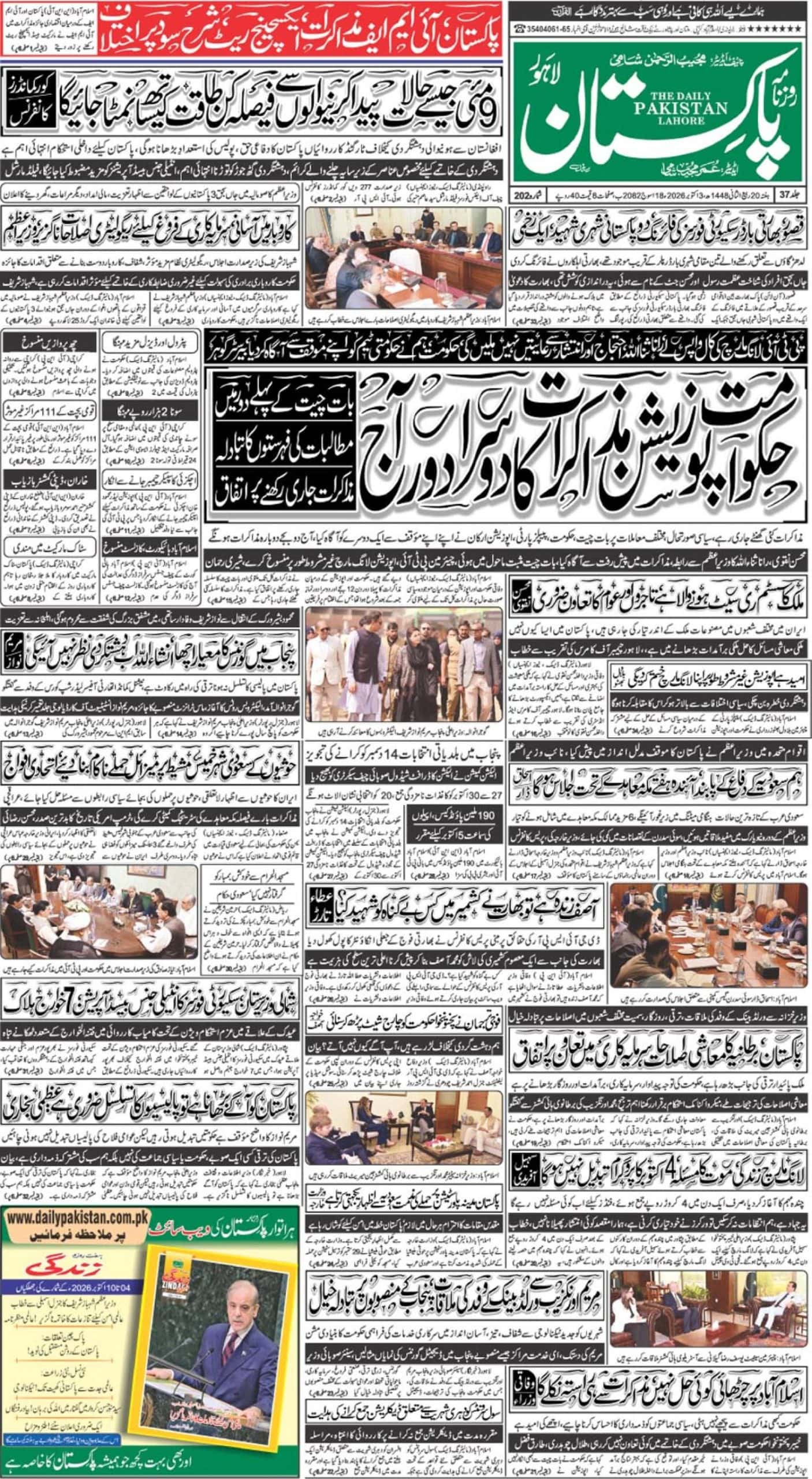
His remarks add another layer of uncertainty to efforts to restore normal commercial traffic through one of the world’s most important energy chokepoints. Islamabad MoU includes provisions requiring US to remove its naval blockade, while Iran undertook to facilitate the safe passage of commercial vessels through the strait.
Javani warned that Hormuz and the arrangements governing the waterway would not simply return to the situation that existed before the war.
According to IRGC official, the US, Israel and their allies had spent months attempting to wrest control of the strategic waterway from Iran, but had failed to achieve that objective.
“The enemy tried to take control of the Strait of Hormuz from Iran, but they did not succeed,” Javani said, maintaining that Tehran had retained its position over the strategic passage.
IRGC official also addressed discussions between Iran and Oman concerning possible maritime route. He stressed that any such arrangement would apply only after the war has completely and finally ended, rather than representing an immediate alternative to Iran’s current position on Hormuz.
Islamabad memorandum itself calls for Iran to make arrangements for the safe passage of commercial vessels between the Persian Gulf and the Sea of Oman, while also envisaging dialogue with Oman and other Gulf states over the future administration and maritime services of the Strait of Hormuz.
The latest Iranian warning comes as shipping through Hormuz remains heavily disrupted. The strait is a critical artery for global energy supplies, making any prolonged uncertainty over its status a potential flashpoint for international trade and oil markets.
With Tehran now explicitly linking the reopening of Hormuz to Washington’s compliance with the Islamabad agreement, the strategic waterway has once again emerged as a central bargaining chip in the wider US-Iran confrontation.
Is Iran-Oman’s New Shipping Deal Set to Change Strait of Hormuz?