
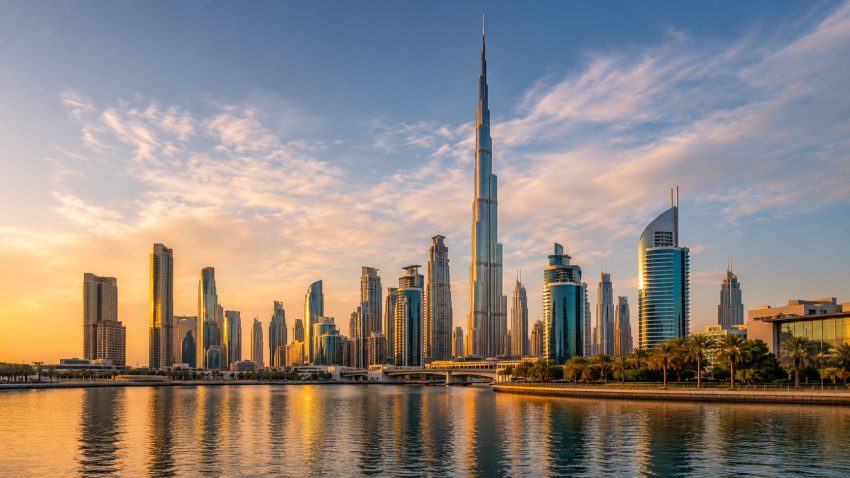
For a woman travelling alone, working late, using public transport or building an independent professional life, safety is not a luxury—it is a basic requirement. In 2026, Dubai continues to distinguish itself as one of the world’s safest major cities, with Numbeo’s current Safety Index placing Dubai 6th globally with a score of 83.8, while the UAE ranks No. 1 globally among countries with a Safety Index of 86.0.
But Dubai’s appeal isn’t just about a ranking. Strong law enforcement, extensive public-security infrastructure, regulated public spaces and rapid emergency response contribute to an environment where residents and visitors can move around with confidence. The UAE’s official emergency system provides 999 for police assistance, making it easy to report issues immediately.
Another important factor is the legal framework. The UAE’s federal Crimes and Penalties Law criminalises sexual harassment, while UAE legislation also provides legal protections against abuse and exploitation. This creates a clear message that unwanted sexual conduct is not something women are simply expected to tolerate.
Dubai’s reputation also reflects its appeal to solo female travellers, international professionals, and expatriate women. Its combination of security, modern infrastructure and a highly international population allows women from different cultures to study, work, travel, conduct business and participate in public life with a strong sense of personal security.
Of course, no city can honestly promise zero crime or zero harassment. Safety statistics also reflect perceptions and reporting patterns, and rankings should never be treated as a guarantee. But Dubai demonstrates how consistent enforcement, infrastructure and public order can make safety an everyday part of urban life.
For women considering where to travel, work, establish a business or build an international career, Dubai’s safety record is therefore more than a tourism slogan—it is an important part of the city’s global appeal.