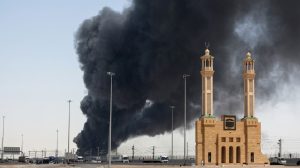

ISLAMABAD –Middle East has been thrown into chaos as loud explosions were reported across Bahrain, Kuwait, and Abu Dhabi, sending residents scrambling for safety and triggering emergency alerts.
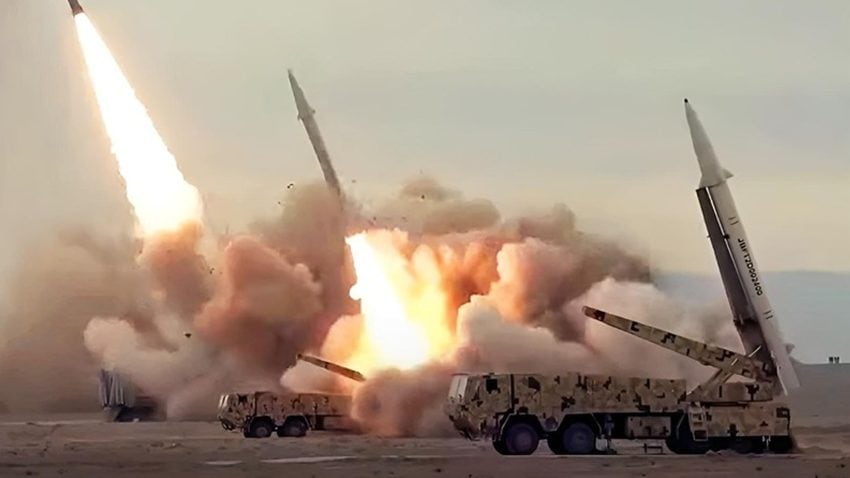
Bahrain, UAE, and Qatar activated warning sirens, raising fears of an imminent missile strike against U.S. military installations. In Bahrain, Iranian missiles struck facility linked to U.S. Fifth Fleet, intensifying concerns of a wider conflict.
Iran-US War
Panic spread as aviation authorities in Kuwait ordered a temporary closure of national airspace, grounding flights and leaving travelers stranded. The United Arab Emirates followed suit with partial airspace restrictions, citing security risks. Authorities in the UAE confirmed that several incoming missiles had been intercepted, but devastatingly reported at least one fatality in Abu Dhabi.
Across the Gulf, governments scrambled to contain the fallout. Regional airspace closures expanded, and major airlines suspended services. Qatar and Iraq also imposed flight restrictions, while global carriers canceled routes in and out of the region.
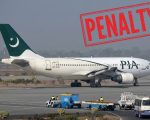
Several airlines stopped flights to crisis zones including Tel Aviv, Beirut, and Amman. France’s national airline, Air France, suspended services to Tel Aviv and Beirut, while Hungary-based budget carrier Wizz Air froze operations to multiple destinations. The regional operator Air Arabia also canceled flights amid the growing crisis.
Tensions in Middle East reached boiling point after reports that Tehran launched retaliatory measures in wake of military strikes on its territory. The Iran Supreme National Security Council described the operations as a “crushing response,” accusing the United States and Israel of aggression during ongoing diplomatic discussions. Officials warned that further attacks could follow and urged citizens to stay calm while avoiding crowded areas. Schools and universities were shut down, government operations scaled back, and emergency provisions were activated.
Iran’s leadership condemned the strikes as violations of international law, calling on the United Nations and its Security Council to intervene. Tehran insisted it retained the right to self-defense and vowed to respond to what it characterized as foreign aggression.
The escalating confrontation between the United States, Israel, and Iran has rattled global markets and disrupted international travel, highlighting the growing risk of a broader regional conflict.