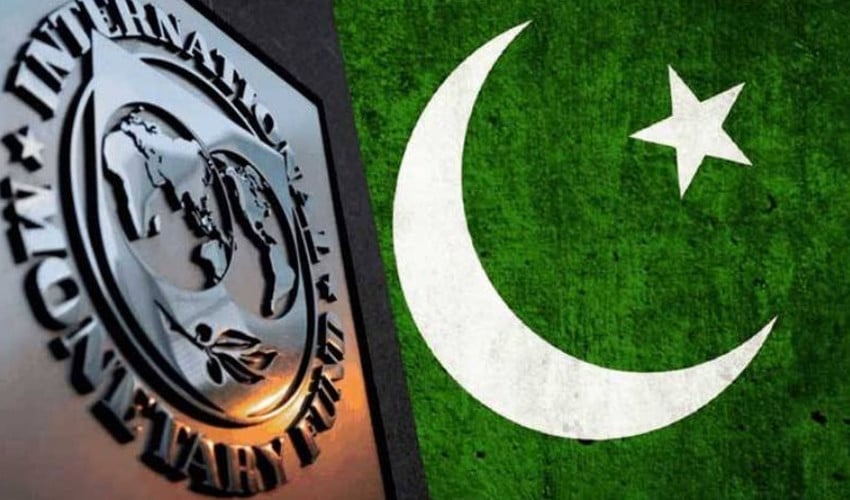
WASHINGTON – The International Monetary Fund (IMF) and Pakistan have reached a staff-level agreement on the on the third review of the 37-month Extended Arrangement under the Extended Fund Facility (EFF) and the second review of the 28-month arrangement under the Resilience and Sustainability Facility (RSF).
It marks an important step for Pakistan towards unlocking a loan tranche of $1.2 billion.
An IMF team, led by Ms. Iva Petrova, held discussions on the third review under the Extended Fund Facility (EFF) and the second review under the Resilience and Sustainability Facility (RSF) in Karachi and Islamabad from February 25 to March 2, 2026, and virtually afterward.
The staff-level agreement is subject to approval by the IMF Executive Board. Upon approval, Pakistan will have access to about US$1.0 billion (SDR 760 million) under the EFF and about US$210 million (SDR 154 million) under the RSF, bringing total disbursements under the two arrangements to about US$4.5 billion.
“Supported by the EFF, ongoing policies have continued to strengthen the economy and rebuild market confidence. Following the recovery in FY25, economic activity gained further momentum in the first part of the current fiscal year. Inflation and the current account balance remained contained, and external buffers continued to strengthen. The conflict in the Middle East, however, casts a cloud over the outlook as volatile energy prices and tighter global financial conditions risk putting upward pressure on inflation and weigh on growth and the current account,” Petroval said.
“The authorities remain committed to pursuing sound and prudent macroeconomic policies to preserve the recent gains in macro-financial stabilization, while deepening structural reforms to accelerate growth and strengthening social protection to mitigate the impact of volatile energy prices on the most vulnerable,” she added.
Pakistan’s authorities have outlined key policy priorities to ensure macroeconomic stability, fiscal sustainability, and inclusive growth. The government aims to maintain a prudent fiscal stance by targeting a primary surplus of 1.6% of GDP in FY26 and 2% in FY27, while broadening the tax base, improving expenditure discipline, and expanding spending on health, education, and social protection.
Fiscal structural reforms are underway, with the Federal Board of Revenue strengthening audits, digital invoicing, and internal governance, supported by a medium-term tax reform strategy. Social protection programs, including the Benazir Income Support Program, are being expanded and inflation-adjusted to protect vulnerable households from rising food and fuel prices.
Monetary policy will remain tight and data-driven, with the State Bank of Pakistan ready to adjust interest rates to keep inflation in check, while exchange rate flexibility will absorb external shocks.
The government is also focused on energy sector sustainability, avoiding subsidies, improving efficiency, and transitioning toward renewable energy. Broad structural reforms, including privatization and anti-corruption measures, aim to boost private sector growth. Additionally, climate resilience initiatives, such as green mobility, water system improvements, and disaster risk financing, are being strengthened to support sustainable development.