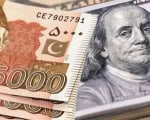
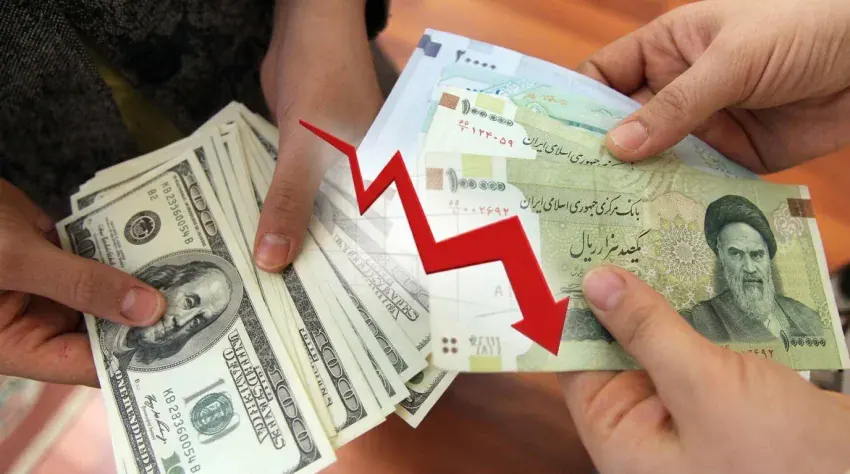
TEHRAN – Iran’s economic crisis takes another dip, with US Dollar approaching 3 million rials on the open market, intensifying fears over the country’s financial stability and the mounting cost of living.
The greenback climbed to around 2.99 million rials, in another sharp decline in the purchasing power of the Iranian currency. The latest depreciation comes amid escalating US sanctions, ongoing conflict, soaring food prices and persistent economic uncertainty. Together, these pressures have pushed Iran into one of its most challenging economic periods in decades.
The rial’s collapse has been particularly striking in recent months. In August, USD crossed 2 million rial threshold for the first time, when annual inflation had already reached 66 per cent. Its subsequent climb towards 3 million rials highlights the accelerating loss of confidence in the national currency.
Washington intensified its campaign to restrict Iran’s economic activities. In July, the US reinstated a naval blockade targeting Iranian ports before announcing Task Force Iron Gate earlier this month. The initiative is designed to disrupt the movement of weapons and sanctioned goods through Iran’s land borders and the Caspian Sea.
US Treasury Secretary Scott Bessent has described Iran’s economic position as increasingly precarious, saying Washington’s latest measures are intended to further isolate Tehran from the international financial system and undermine its informal banking networks.
The consequences of the currency crisis are becoming increasingly visible in everyday life, as households struggle to cope with rapidly escalating prices. With confidence in the rial deteriorating, growing numbers of Iranians are reportedly purchasing US dollars, other foreign currencies and gold in an attempt to protect their savings from further losses. This rush towards alternative stores of value has also contributed to additional demand for foreign currency, adding to the pressure on an already volatile market.
Iran’s Statistical Centre reported that consumer prices surged by 88.7 per cent in October compared with the same month last year, while average annual inflation reached 76.8 per cent. Food and beverage costs have risen even more dramatically, recording an annual increase of 112.6 per cent. The steep rise in essential goods is further reducing household purchasing power and making basic necessities increasingly expensive.
Social media reports have also drawn attention to the severity of the crisis, with claims of grocery retailers placing security tags on everyday products, including cooking oil and canned goods, amid concerns about theft. Other widely circulated posts have described shoppers carrying large bundles of increasingly devalued banknotes to pay for ordinary groceries.
Despite worsening economic outlook, Iranian Central Bank Governor Abdolnaser Hemmati has sought to reassure the public, insisting that the country has sufficient foreign currency reserves to finance essential imports, including food and medicines, over the coming months. Hemmati acknowledged that exchange-rate movements were being influenced by more than economic fundamentals, pointing to political developments and public expectations as additional factors driving market instability.
He said the government was working to stabilise the currency market. However, the gap between official reassurances and the deteriorating conditions facing ordinary citizens highlights the scale of the challenge confronting Tehran.