
Politics is often about the subtle art of signalling, and this past week, Field Marshal Syed Asim Munir broadcast on two very different frequencies to two very different capitals. To Riyadh, he extended the hand of a brother, receiving the warmth and prestige that comes with our oldest and most critical alliance. But when he turned his gaze toward Kabul, the diplomatic niceties evaporated, replaced by cold steel and a final ultimatum. To truly grasp Pakistan’s strategic posture in December 2025, you cannot view these as isolated headlines; they are two sides of the very same coin.
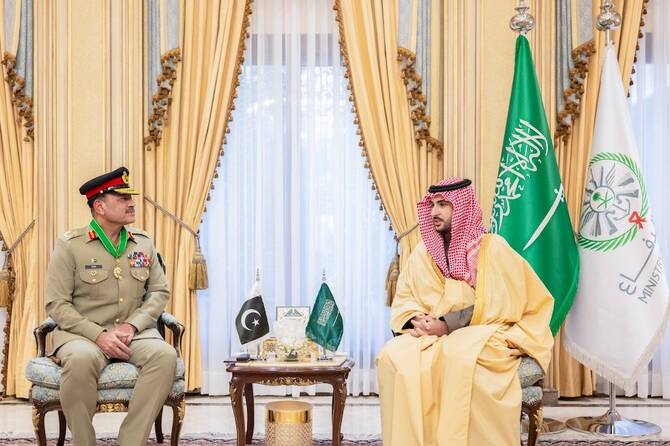
The scene in Saudi Arabia was symbolic to the highest degree. When Field Marshal Munir stood in the gilded halls of the royal court to accept the King Abdulaziz Medal of Excellent Class, it was far more than a ceremonial exchange of pleasantries. This is the Kingdom’s highest national honour. In the cryptic and weighted language of diplomacy, the House of Saud does not hand these out lightly. By pinning this medal on the Army Chief’s chest, the Saudi leadership isn’t just standing on ceremony. From King Salman down to Prince Khalid bin Salman, they are placing a massive, public vote of confidence in Pakistan’s stability. They are doubling down on a friendship that has survived every storm the region has thrown at it for decades.
They are saying, loud and clear: We trust this leadership.
However, international prestige counts for little if the home front is bleeding. This brings the significance of Field Marshal Munir’s concurrent warning to the Afghan Interim Government into sharp, unforgiving relief. While the cameras flashed in the Gulf, the mood regarding our western neighbour shifted from frustration to cold resolve.
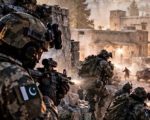
When addressing the bloodshed on the Durand Line, Field Marshal Munir didn’t mince words. We are sick of being fed the same lies by the Afghan interim government—the constant denials, the claim that TTP terrorists are just ‘guests.’ Asim Munir just destroyed those excuses with one brutal fact: 70 per cent of the fighters killing our soldiers are Afghans. Ask yourself, has Kabul stopped any of them? The answer is a big, fat NO. We need them to understand one thing: Hum majboor nai hain (We aren’t forced to take this). We have options. But our patience is finished. We will hunt the TTP down, and we will hit them hard inside Afghanistan if that’s what it takes.
Take a breath and look at the scoreboard: nearly hundreds of attacks in a single year, all traced back across the border. Just let that sink in. That statistic doesn’t just damage the narrative; it buries the myth that this is a homegrown insurgency. If the foot soldiers invading Pakistan are Afghans, trained in Afghan sanctuaries.
The narrative that these are just wayward militants hiding in caves is dead. Intelligence reports suggest senior commanders—the Mehsuds and Dawars—are shuttling comfortably between Kabul, Kunar, and Paktia as if they own the terrain. This brazen confidence is exactly what provoked the Field Marshal’s binary ultimatum to the Afghan Taliban: You have to choose. It is either Pakistan or the TTP.
There is no middle ground left. The patience of the state has been worn thin by the bloodshed of its soldiers and citizens. When the Army Chief states that the “writ of the government” will be restored and that only the state possesses the authority to declare Jihad, he is stripping the terrorists of both their religious cover and their political leverage.
The timing creates a powerful picture of a nation recalibrating. On one flank, Pakistan is solidifying its “deep-rooted” strategic alliances with the economic heavyweights of the Muslim world. On the other, it is modernizing its defenses to crush the “multidimensional threats” pestering its borders.
The signal to the world is unmistakable. The medal on Field Marshal Munir’s chest symbolises the respect Pakistan commands globally; his warning to the TTP represents the terrible price of crossing us locally. Kabul needs to read the room, and fast. The era of double games has officially expired.