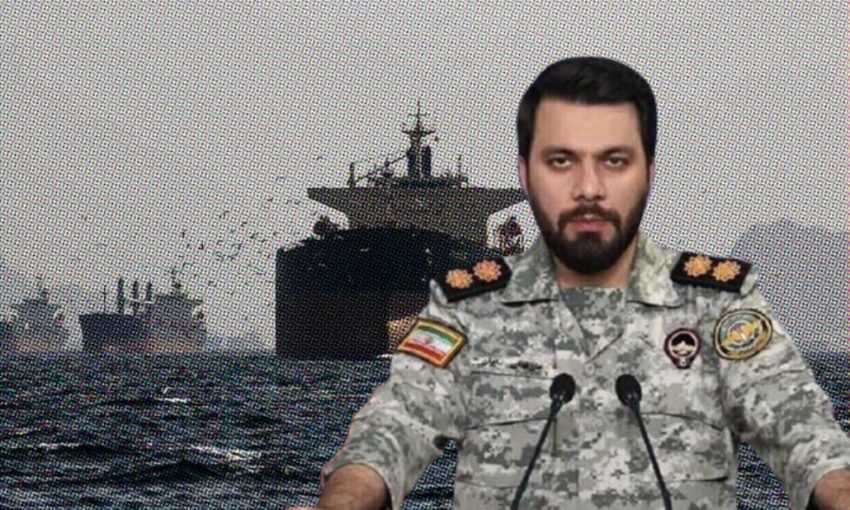
ISLAMABAD – Iran’s military announced that control over the Strait of Hormuz has reverted to strict military enforcement, effectively requiring all passing vessels to obtain Iranian approval before transit, according to statements carried by state media.
The announcement, attributed to a spokesperson for Iran’s Khatam al-Anbiya Central Headquarters, accused Washington of repeated violations and described its actions as a “blockade under the guise of piracy.” Iranian state media said a previously limited agreement allowing selected shipping through the strategic waterway had collapsed.
“Only a limited number of ships were allowed to pass under agreed terms,” the spokesperson said, according to Iranian media. “But the United States failed to meet its obligations. Therefore, the Strait of Hormuz has returned to strict control, and passage now requires Iran’s approval.”
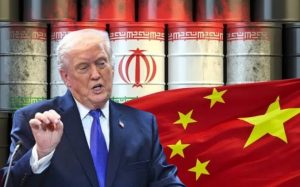
Strait of Hormuz, one of the world’s most critical oil transit routes, has again become the center of geopolitical alarm after Iran suggested the easing of restrictions was temporary and conditional.
Iranian defence ministry spokesperson Reza Talaei further escalated rhetoric, stating that tensions with the United States remain unresolved and warning that Iran would respond to what it called “deception in diplomacy.” He also reportedly tied maritime access for non-military vessels to broader regional developments, including a ceasefire in Lebanon, signaling that shipping conditions could depend on political and military progress in the region.
Iran’s Foreign Ministry reiterated its firm stance on nuclear policy, declaring that Tehran will not transfer its enriched uranium abroad, reinforcing its resistance to external pressure.
Despite the heightened rhetoric, vessel-tracking data shows movement through Strait of Hormuz, with a convoy of tankers observed after a brief reopening. The group included liquefied petroleum gas carriers as well as oil product and chemical tankers, with additional vessels reportedly following from the Gulf, according to MarineTraffic data cited by Reuters.
Tehran also made limited moves to ease internal restrictions, with its Civil Aviation Authority announcing the partial reopening of eastern airspace for international overflights and the resumption of operations at several airports from early Saturday morning. However, flight tracking services indicated that many international flights were still avoiding Iranian airspace, opting for longer alternate routes.
Despite ceaseifire and easing tensions, situation around the Strait of Hormuz remains highly volatile, with global attention fixed on whether tensions will escalate further or move toward de-escalation.
Relief for Global Energy Markets as Oil crashes 10% to $84 after Hormuz reopens