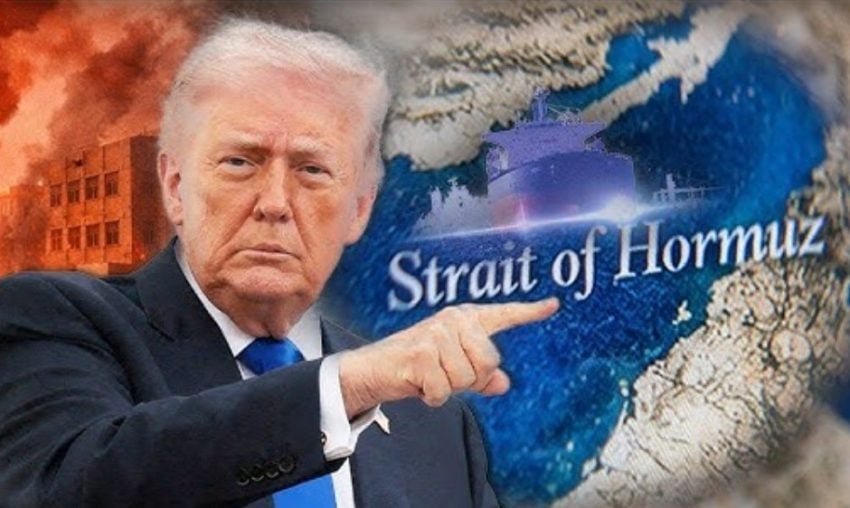
He made it clear he is not satisfied with Tehran’s plan, which aimed to reopen the vital oil shipping route while calling on the United States to lift its naval blockade. Crucially, the proposal sidestepped the highly contentious issue of Iran’s nuclear program—an omission that has once again stalled progress toward a broader agreement.
Iran repeatedly refused to halt its nuclear activities or surrender its stockpile of highly enriched uranium, remaining firm against Washington’s core demands. Trump, who has consistently drawn a red line on Iran obtaining nuclear weapons, appears unwilling to accept any deal that fails to address this critical issue.
The proposal was delivered by Iran’s foreign minister, Abbas Araghchi, during a visit to Pakistan, but it failed to gain traction in Washington. Trump had already dismissed a previous offer and abruptly called off planned peace talks in Islamabad—highlighting the widening gap between the two sides.
The proposal triggered intense debate. Officials are divided over whether the United States should maintain pressure or seize a limited deal to stabilize global markets. At the heart of the dispute lies a high-stakes question: who holds the upper hand in this economic and strategic standoff?
The closure of Strait of Hormuz is a critical artery for global oil shipments and has already sent shockwaves through energy markets. While US blockade aims to choke off Iran’s oil exports, Tehran has countered with threats to target vessels that refuse to pay transit fees, drastically reducing maritime traffic.
Iran insisted that any agreement must allow it to impose such charges on ships passing through the strait. This demand directly challenges long-standing U.S. policy supporting unrestricted navigation in international waters, adding another layer of complexity to already fragile negotiations.
U.S. officials say Iran’s negotiators appear to lack the authority to make meaningful concessions on nuclear issues, suggesting that real decision-making power remains with higher leadership and security institutions. This has fueled frustration within the Trump administration, which sees little sign of flexibility from Tehran.
Some officials argue that extending the blockade for several more months could inflict lasting damage on Iran’s energy sector, potentially forcing it to the negotiating table. Oil infrastructure, once shut down, risks costly and long-term damage, raising stakes for the already struggling economy.
Trump himself publicly vented frustration, pointing to internal divisions within Iran’s leadership as a major obstacle to progress. Yet despite the pressure, there is little evidence that Tehran is prepared to shift its position, whether through diplomacy or renewed military action.
Iran links Hormuz reopening to phased Nuclear Talks in new Proposal to US