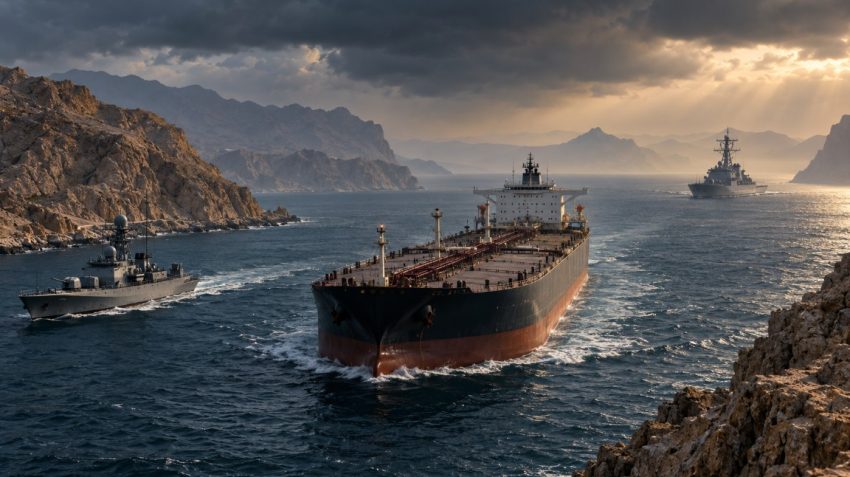
TEHRAN/WASHINGTON – A possible diplomatic breakthrough between Iran and United States emerged amid growing fears of another devastating military confrontation, with reports claiming Tehran is prepared to reopen Strait of Hormuz if Washington ends its blockade of Iranian ports.
Iranian sources issued conflicting statements over the proposal, raising questions about whether the two countries are moving closer to negotiations or another round of military strikes. The latest development comes as Pakistan steps up efforts to facilitate dialogue between Washington and Tehran, while reports of fresh American and Israeli military preparations have triggered widespread anxiety across Iran.
Al Arabiya reported that Tehran communicated through Pakistani intermediaries that it could allow shipping operations to resume through the strategically important Strait of Hormuz if US withdraws its naval restrictions on Iranian ports.
The report also claimed that Tehran informed Islamabad of its willingness to restart negotiations with Washington, offering potential opening in a confrontation that has disrupted regional trade and global energy markets. Iranian Ambassador to Pakistan Reza Amiri Moghadam reportedly acknowledged Tehran’s willingness to restore shipping through the waterway under certain conditions, according to an Associated Press report dated October 24.
An Iranian source speaking to Tasnim news agency challenged that account, insisting that no fresh proposal had been delivered to Pakistan and rejecting the suggestion that Tehran had agreed to exchange the reopening of the strait for the removal of the US blockade. The conflicting claims mean that neither the existence nor the precise terms of a new diplomatic offer have been firmly established.
While diplomatic channels remain active, the threat of another war is dominating public concern inside Iran. Reports that United States and Israel prepared plans for renewed military strikes have unsettled Iranian communities already struggling with the consequences of earlier attacks.
American officials reportedly indicated that operational preparations for additional strikes had been completed, although any decision to proceed would ultimately depend on President Donald Trump.
Trump warned that he may authorize military action if diplomatic efforts fail, including the possibility of strikes following the US midterm elections. He continues to insist that Iran must not develop a nuclear weapons capability, while taking a hard line on Tehran’s nuclear activities. American president alternated between threatening overwhelming military force and suggesting that an agreement could help revive Iran’s struggling economy. These mixed messages have intensified uncertainty among Iranians, many of whom fear that another round of fighting could begin with little warning.
The possibility of renewed military action comes against the backdrop of extensive destruction and civilian casualties from earlier hostilities. One of deadliest incidents occurred in late February, when American strike hit an elementary school in Minab, killing 156 children and teachers, according to the reported casualty figures.
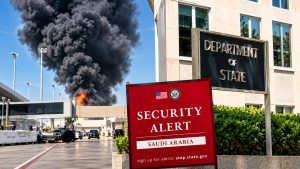
US orders Urgent Embassy Staff Evacuation from Saudi Arabia amid Iran threats
The broader conflict has already taken a devastating toll. Figures released by Iran’s Red Crescent Society indicate that at least 1,900 civilians were killed during 40 days of bombardment. Iranian authorities have also estimated the economic damage from the war at approximately $300 billion, reflecting the destruction of infrastructure and disruption of economic activity.
Pakistan in Spotlight
Pakistan emerged as an important intermediary in efforts to prevent another confrontation between Iran and the United States. Alongside Qatar and Russia, Islamabad participated in intensive diplomatic contacts last week aimed at bringing the rival governments back into meaningful negotiations.
Despite those initiatives, two sides remain divided over the future of Iran’s nuclear programme and the conditions necessary for a settlement. Iranian officials have publicly rejected the possibility of yielding to Washington’s demands under military pressure, insisting that threats and sanctions will not force Tehran to abandon its stated position.
Iranian military leaders and lawmakers have warned that any renewed attack would provoke a forceful response, potentially expanding the conflict across the Middle East. Supporters of the government’s hard-line factions have also continued holding rallies demanding retaliation against the United States and Israel.
American officials added to tensions on Friday by claiming that intelligence indicated Iran was considering operations targeting US personnel stationed in the region. These warnings have raised concerns that miscalculation by either side could trigger a wider regional confrontation.
Beyond the military threat, worsening economic conditions have emerged as another major source of anxiety for ordinary Iranians. International sanctions, disruptions to commercial activity and the American naval blockade have placed additional strain on an economy already weakened by war.
Iranian currency has suffered a steep decline against US Dollar, while prices of some essential food items have reportedly surged by more than 200 percent. Rising living costs have made everyday survival increasingly difficult for households dealing with shrinking purchasing power and uncertainty over future supplies.
A credible agreement allowing maritime traffic to resume while easing restrictions on Iranian ports could therefore provide relief well beyond the Middle East. For now, however, hopes of an immediate settlement remain uncertain.
With Tehran disputing reports of a formal offer, Washington maintaining military options and Pakistan continuing its diplomatic engagement, the confrontation remains at a critical stage.
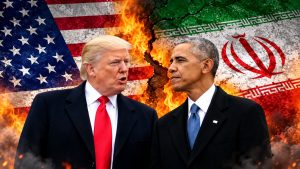
Obama blasts Trump as Iran War dents US Missile Stockpiles, fuels Inflation