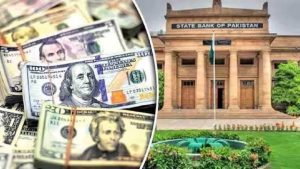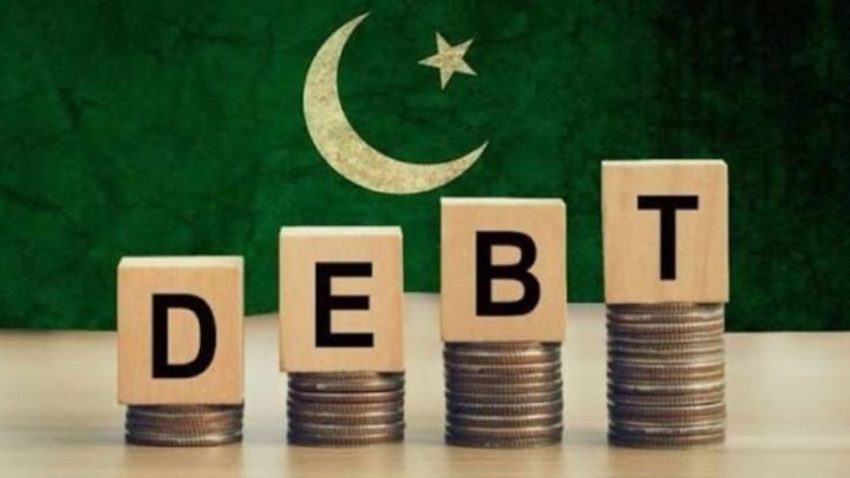
ISLAMABAD – Pakistan’s external debt has almost doubled over the past decade, climbing to $135.107 billion in 2025 from $68.673 billion in 2015, according to the World Bank’s latest International Debt Statistics.
The figures highlight the substantial increase in the country’s foreign borrowing over the 10-year period, with government obligations, private-sector borrowing and short-term liabilities contributing to the overall debt burden.
According to the World Bank’s 2026 International Debt Statistics, Pakistan’s external debt stood at approximately $129.92 billion in 2024 before increasing to $135.107 billion in 2025. This represents an increase of more than $5 billion in a single year.
Of the total outstanding external debt, approximately $107.076 billion falls under public and publicly guaranteed obligations. The private sector’s long-term external debt without government guarantees stands at $17.58 billion, while short-term external debt accounts for another $10.45 billion.
Major creditors
Pakistan also owes substantial amounts to international financial institutions and bilateral lenders.
The Asian Development Bank (ADB) accounts for approximately $16.83 billion in outstanding Pakistani debt, making it one of the country’s major multilateral creditors.
China remains Pakistan’s largest bilateral creditor. The World Bank’s figures show that Chinese lending forms a significant part of the country’s external obligations, reflecting the close financial and economic ties between the two countries.
In 2025, China extended the maturity of $2 billion in loans to Pakistan, providing additional room for managing its external financing requirements.
IMF financing
The International Monetary Fund (IMF) also continued providing financial support to Pakistan during 2025.
According to the reported figures, the IMF released approximately $2.3 billion in fresh disbursements under its Extended Fund Facility (EFF) and Resilience and Sustainability Facility (RSF) programmes during the year.
The financing came as Pakistan continued implementing economic reforms and managing its external financing requirements under the IMF-supported arrangements.
The World Bank’s latest figures place Pakistan among the developing economies facing substantial external debt obligations, with the country’s total foreign debt reaching a record level in 2025.
The data also comes against the backdrop of rising external debt across developing economies, highlighting the growing importance of debt servicing, access to international financing and the management of foreign currency obligations.