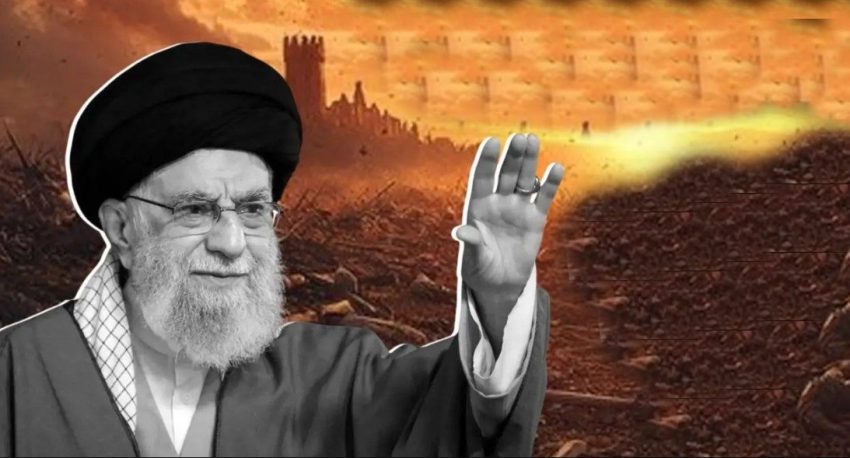
TEHRAN – The death of Ali Khamenei sent shockwaves through the Middle East and beyond. The Supreme leader was killed at 86 in a reported joint US-Israeli air strikes.
Ayatollah Khamenei
Khameinei opened eye in holy city of Mashhad, and was raised in a Shia clerical family. He immersed himself in religious scholarship from a young age and quickly became drawn into underground opposition against the pro-Western monarchy of Shah Mohammad Reza Pahlavi.
Repeated arrests, exile, and surveillance only hardened him. When the 1979 Islamic Revolution toppled the monarchy, Khamenei emerged as one of its rising figures.
In early 80s, a bomb attack nearly killed him, permanently paralysing his right arm. The injury became part of his legend — proof, supporters said, that he had sacrificed for the revolution.
Wartime President
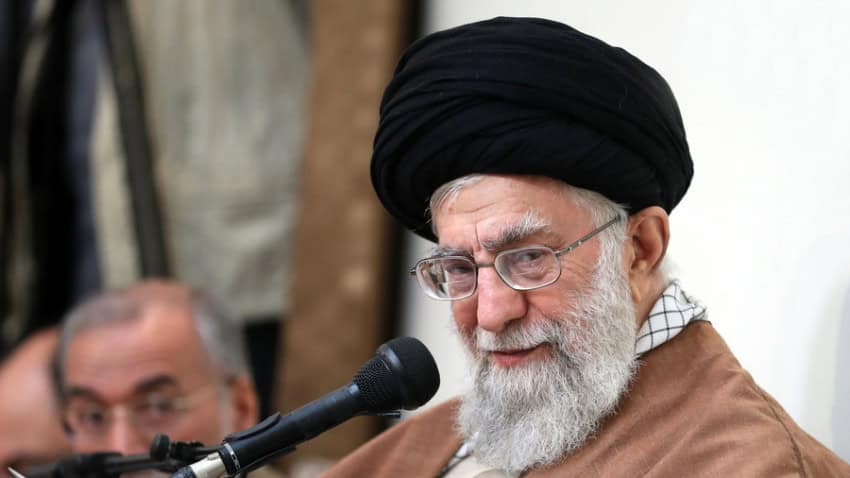
During the brutal 1980–1988 Iran-Iraq War, Khamenei served as Iran’s president. The devastating conflict shaped his worldview: Iran, he believed, was surrounded by enemies and could trust no one — especially the United States.
The war years forged his deep suspicion of the West and cemented his belief that Iran must prioritise military strength and ideological unity over compromise.
The Unexpected Successor
After passing of Ayatollah Khomeini in 1989, Khamenei becomes Supreme Leader. He did not initially hold the highest clerical rank traditionally required for the position. But the constitution was adjusted, and he was appointed to lead the Islamic Republic. From that moment forward, he became the most powerful man in Iran.
As Supreme Leader, he controlled the armed forces, the judiciary, state media, and ultimate decision-making authority over foreign and nuclear policy. Presidents came and went — reformists, conservatives, pragmatists — but Khamenei remained the final word.
Architect of Resistance
Under his rule, Iran’s Islamic Revolutionary Guard Corps transformed into a dominant military and economic powerhouse. Khamenei promoted what he called a “resistance economy,” urging self-reliance in the face of sanctions.
He also oversaw the development of Iran’s so-called “axis of resistance” — a network of regional allies and armed groups designed to counter US and Israeli influence across the Middle East. Through this strategy, Iran expanded its reach far beyond its borders.
Crushing Dissent at Home
Khamenei’s decades in power were repeatedly tested by unrest. 2009 Green Movement protests challenged disputed election results. Demonstrations in 2019 erupted over fuel price hikes. In 2022, nationwide protests followed the death of Mahsa Amini in police custody.
Each time, the response was firm and often violent. Security forces cracked down, arrests mounted, and critics accused the leadership of stifling reform and silencing younger generations demanding change. Supporters argued that he was protecting the revolution. Opponents said he was preventing it from evolving.
Dissent on Nukes
Khamenei approved the 2015 nuclear agreement aimed at easing sanctions, but mistrust lingered. When the US withdrew from the deal, tensions reignited. Sanctions intensified, Iran expanded uranium enrichment, and confrontation with Israel escalated.
In his final years, economic hardship, inflation and international isolation strained Iran internally. Yet he maintained a posture of defiance, insisting that Iran would never surrender to foreign pressure.
Final Push
In the weeks leading up to his death, tensions between Iran, the United States and Israel reached a boiling point. Military threats escalated. Negotiations stalled. War seemed increasingly possible, His killing marks the end of an era, and possibly the beginning of one of the most volatile periods in modern Middle Eastern history.
Iran in mourning as Supreme Leader Khamenei killed in US–Israeli air strikes