KARACHI – Suspension of CNG supply across Sindh and Balochistan by Sui Southern Gas Company left commuters searching for alternatives, and it will further burden citizens already struggling with rising fuel costs.
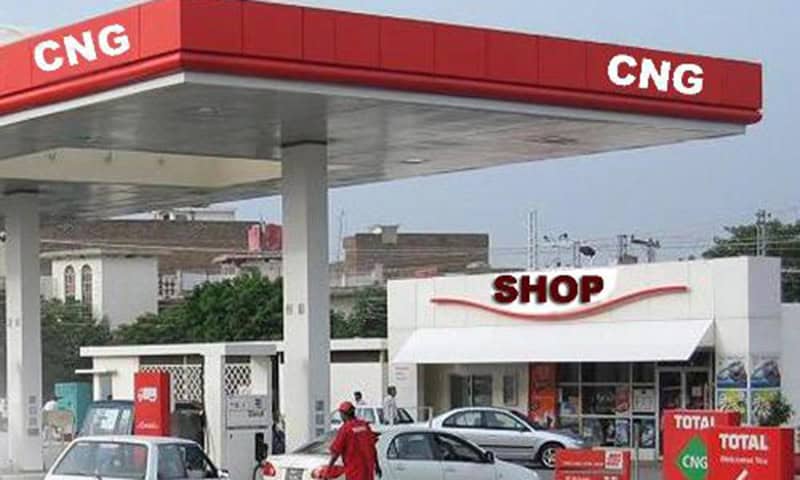
Pakistan’s worsening gas crisis has taken dramatic turn during holy month of Ramadan, delivering major blow to consumers who rely on CNG as affordable fuel. Amid widespread concern, Karachi authorities suspended gas supply to the CNG sector for an indefinite period, forcing CNG stations across Sindh and Balochistan to shut down until further notice.
The decision, announced by Sui Southern Gas Company (SSGC), is part of an emergency load-management plan aimed at prioritising gas supply for domestic users during Ramadan. According to the company, the measure has been taken to ensure uninterrupted gas availability for households and commercial consumers during the crucial Sehr and Iftar hours, when demand surges as millions prepare meals to begin and break their fast.
However, despite this targeted relief, the overall shortage remains severe. In Karachi, residents are still facing daily gas suspensions from 8 a.m. to 3 p.m., leaving many households and businesses struggling to manage routine activities during the day. The prolonged shortages have intensified public frustration, particularly as Ramadan places additional pressure on already strained energy supplies.
The move has drawn sharp criticism from the All Pakistan Petroleum and CNG Association, which says the closure of CNG stations has dealt yet another blow to citizens already battling rising living costs. The association warned that the public is already under immense financial stress following the recent Rs55 increase in petrol and diesel prices.
Industry representatives argue that shutting down CNG, one of few relatively cheaper fuel options available, will inevitably push transportation costs higher. They fear the decision could trigger a ripple effect across the economy, raising fares, increasing business expenses, and further squeezing consumers who are already struggling with inflation and soaring fuel prices.