
DOHA – Ministry of Defense confirmed that 17 ballistic missiles and 6 drones launched from Iran were successfully intercepted, preventing casualties and major damage. Military officials said air defense systems responded rapidly, neutralizing every incoming threat before it could reach its intended targets.
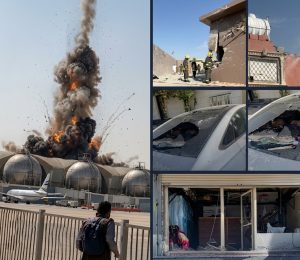
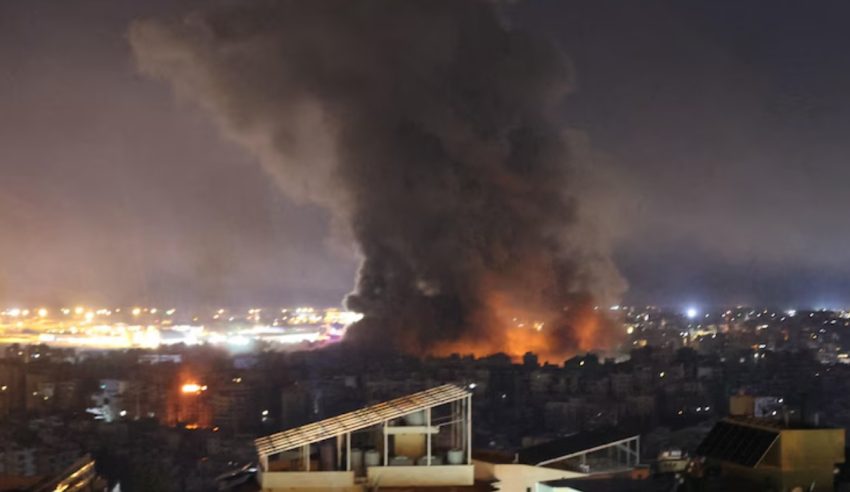
The night, however, was far from calm. Several Gulf nations endured hours of anxiety as sirens and defense systems were activated. In the United Arab Emirates, air defenses were deployed over Abu Dhabi and Dubai, where residents reported hearing interceptions overhead. Some accounts suggested that fragments from destroyed missiles fell into residential areas, raising concerns despite the successful interceptions.
Meanwhile, Iranian officials claimed their forces had targeted key Saudi locations, including the Shaybah oil field and Prince Sultan Air Base. These claims have not yet been independently verified, but they have further fueled regional unease.
The strikes are believed to be part of ongoing operations by the Islamic Revolutionary Guard Corps, whose missile barrages have increasingly become a recurring threat. Although fewer missiles were reportedly launched compared with earlier incidents, analysts warn that even a limited number of weapons—particularly cluster munitions—can still cause widespread disruption.
Such attacks can trigger air raid sirens across multiple cities, force air defenses to intercept incoming projectiles, and scatter dangerous submunitions across populated areas. Even when interceptions are largely successful, falling debris and unexploded fragments can still pose a serious risk.
With multiple countries now facing repeated missile alerts, the region remains on high alert as security forces brace for the possibility of further attacks. The latest incident highlights how quickly tensions can escalate, keeping governments and civilians across the Gulf on edge.
Explosion in Riyadh as Missile Projectile kills two near major Saudi Air Base