
ISLAMABAD – As US-Iran war continues to threaten regional stability and Houthi attacks intensify pressure on Saudi Arabia, Pakistan defended its diplomatic role as a mediator while reaffirming its military commitments to the kingdom under newly formed Makkah defence alliance.
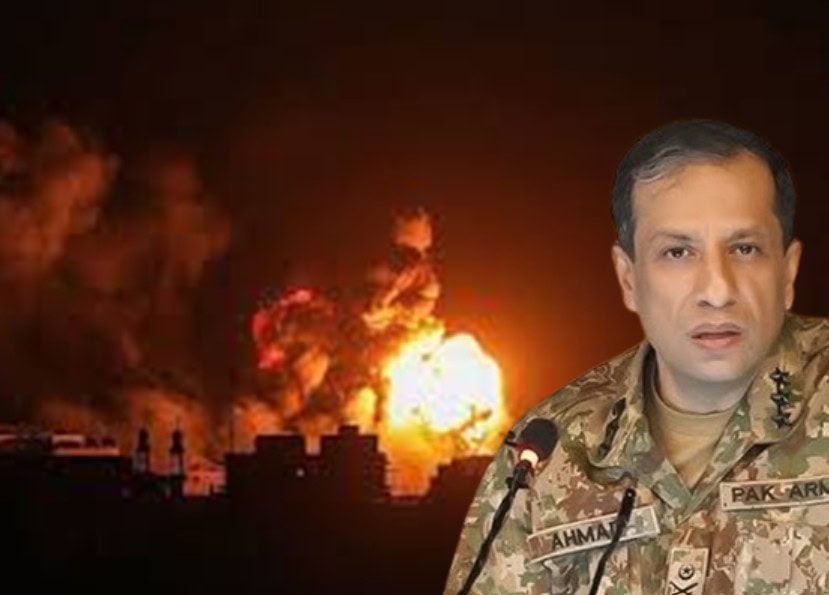
Inter-Services Public Relations (ISPR) Director General Lieutenant General Ahmed Sharif Chaudhry said Islamabad remains an “honest broker” in efforts to end the conflict between Washington and Tehran, stressing that Pakistan wants a negotiated settlement rather than a wider regional war.
His remarks come at a sensitive moment, with Pakistan balancing its mediation efforts with longstanding defence ties to Saudi Arabia and trilateral security agreement that treats an armed attack against one signatory as an attack against all three.y
In an interview with CNN correspondent Ivan Watson, Lt Gen Chaudhry was asked whether Pakistan could maintain a neutral position when Iran has previously attacked Saudi Arabia and the Iran-aligned Houthis are also engaged in hostilities against the kingdom.
Responding to the question, the military spokesperson defended Pakistan’s record, arguing that Islamabad had been transparent about its position towards all parties. He said Pakistan had condemned Israeli attacks on Iran while also opposing Iran’s retaliatory strikes across the Gulf, adding that the country had not hesitated to communicate its concerns to its partners.
“We don’t mince our words,” the ISPR chief said, maintaining that Pakistan had a direct stake in regional peace and stability. He warned that no country would benefit from further escalation and said Islamabad was making every possible effort to bridge differences between the opposing sides.
“We want that the conflict should not expand horizontally or vertically,” he said, reiterating Pakistan’s preference for a peaceful, negotiated outcome.
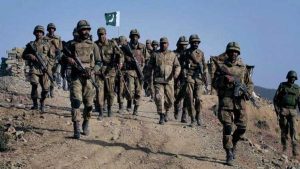
The interview brought renewed attention to Pakistan’s military presence in Saudi Arabia, particularly as the Makkah defence agreement moves towards implementation. Lt Gen Chaudhry confirmed that Pakistani forces were already stationed in the kingdom and had maintained a presence there for decades across multiple capabilities and areas of cooperation.
The confirmation comes after Pakistan, Saudi Arabia and Turkiye agreed at an emergency meeting in Riyadh on Monday to accelerate the deployment of agreed military forces and capabilities in Saudi Arabia in response to emerging security threats.
Asked how the agreement would operate in practice, the ISPR chief said its implementation would be strictly defensive. He explained that decisions regarding the deployment of specific military units, their locations and their operational roles would be left to the relevant commanders.
Lt Gen Chaudhry declined to disclose operational details, stressing that countries do not publicly reveal sensitive information about how or where their forces will be used during a military conflict. While he did not specify troop numbers, future deployments or particular missions, he reiterated that any action under the pact would be defensive in nature.
The military spokesperson also outlined the strategic purpose of the agreement, saying Pakistan, Saudi Arabia and Turkiye possessed substantial military and diplomatic capabilities that could discourage potential adversaries from launching attacks.