TEHRAN – Tensions continue unabated in Iran as hundreds of thousands are on streets, braving crackdown and internet blackout.
Tehran teeters on edge of chaos as forces join the brutal crackdown on nationwide protests, raising fears of a full-scale confrontation. The military pledged to “firmly safeguard national interests, strategic infrastructure, and public property,” blaming Israel and so-called terrorist groups for the unrest and warning it would “thwart enemy’s plots.”
The unrest started in late December over crippling currency crisis but ballooned into mass demonstrations calling for sweeping changes to Iran’s authoritarian regime. Human rights groups report dozens of protesters killed, while Supreme Leader Ayatollah Ali Khamenei declared the government would “not back down” against the unrest.
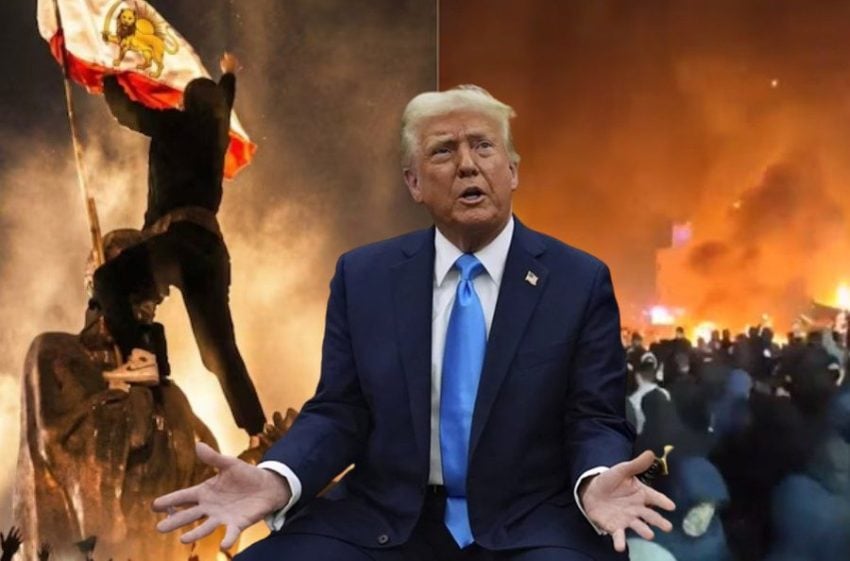
On the other hand, US President Donald Trump has been briefed on multiple military options against Iran, including strikes on nonmilitary targets in Tehran, as he considers responding to the regime’s violent suppression of protesters. US officials say no final decision has been made, but Trump signaled his readiness to act.
Trump said Iran is “looking at FREEDOM, perhaps like never before,” adding that the U.S. “stands ready to help!!!”
He said the government repeatedly warned Iranian government that continued killings of protesters will have severe consequences. “We’ll be hitting them very hard where it hurts,” he said Friday, clarifying that ground troops would not be used but stressing the strikes would be punishing.
Trump administration is treading carefully. US officials acknowledge that military action could backfire, either galvanizing Iranians to support regime or provoking retaliatory attacks on American forces. Senior military commanders in the region reportedly want more time to fortify positions and prepare for potential Iranian retaliation.
This looming crisis comes just over six months after Trump ordered the dramatic “Midnight Hammer” strikes on Iran’s nuclear facilities, in which six B-2 bombers dropped 12 bunker-buster bombs at Fordo and cruise missiles targeted Natanz and Isfahan. Iran retaliated with missile attacks while signaling willingness to resume nuclear talks.
The situation is further complicated by international allies. Secretary of State Marco Rubio spoke with Israeli Prime Minister Benjamin Netanyahu Saturday, discussing the protests, Syria, and Gaza. Netanyahu has repeatedly stated he will not allow Iran to continue developing nuclear or ballistic missile capabilities, and Trump has publicly backed potential Israeli strikes if Iran escalates.
Since the start of his second term, Trump ordered airstrikes across the globe, including in Syria, Yemen, Somalia, Nigeria, Venezuela, and Iran. In 2020, US drone strike killed Maj. Gen. Qassim Suleimani, a top commander of Iran’s elite Quds Force. With the Iranian army now mobilized against domestic protests, the world watches nervously as the potential for escalation grows by the hour.
Pakistan, US launch ‘Inspired Gambit-2026’ military drills to boost defence ties