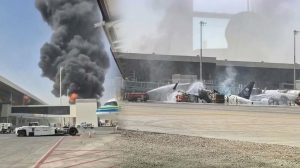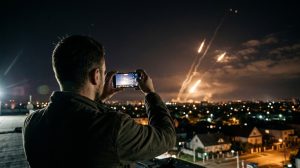
TEHRAN – Iranian cities continue to witness massive attacks from US and Israeli forces, but there’s little change in the hardline stance of Tehran regarding development of nuclear weapons, which is flashpoint of this unprecedented military escalation.
As the assassination of Iranian top leaders makes headlines, one message from Tehran is coming through loud and clear, that its nuclear stance is not about to change. The country signaled that its core nuclear policy is set to remain firmly in place, even as questions swirl around the leadership of its newly appointed Supreme Leader, Mojtaba Khamenei.
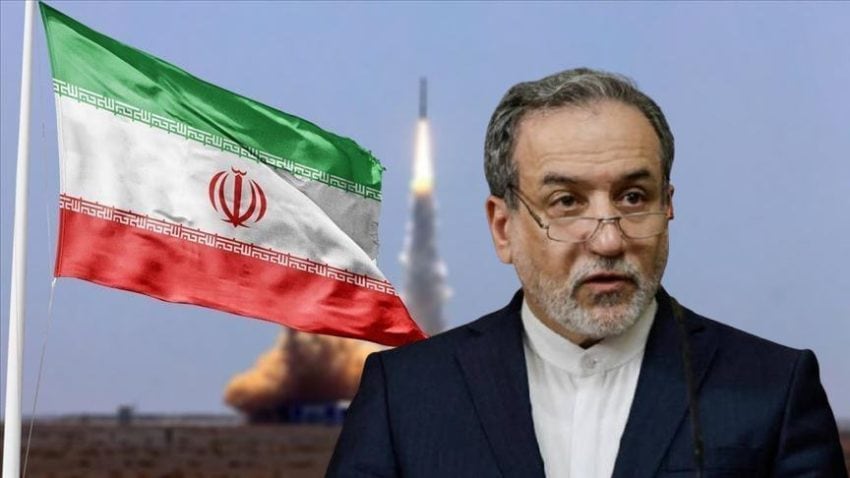
Iran’s Foreign Minister Abbas Araghchi declared that Tehran’s stance against developing nuclear weapons is unlikely to see any major shift. However, he underscored key uncertainty: Mojtaba Khamenei has yet to publicly reveal his position on the issue.
Adding intrigue, Araghchi highlighted that religious rulings, are not fixed doctrines but depend entirely on the cleric issuing them. This means the ultimate direction of Iran’s nuclear posture could still hinge on how the new Supreme Leader interprets both religious and political authority. For now, Araghchi made it clear that it is too early to draw conclusions about Mojtaba Khamenei’s thinking.
Beyond the nuclear question, Iran is also looking ahead to a major geopolitical recalibration in one of the world’s most critical energy corridors. Araghchi proposed that once the ongoing war comes to an end, Gulf nations should come together to craft a new protocol governing the Strait of Hormuz. The aim would be to ensure secure passage through the narrow and strategically vital waterway, while aligning rules more closely with Iran’s interests and those of the broader region.
Trump led administration consistently taken a tough and uncompromising stance against Iran’s nuclear program. He imposed a “maximum pressure” strategy, reintroducing strict economic sanctions aimed at crippling Iran’s economy and forcing it into a new, stricter agreement. Trump has also opposed any level of uranium enrichment by Iran and has shown a willingness to back military action to halt its nuclear progress.
In 2025, United States unleashed powerful strike on Iran’s nuclear program under Operation Midnight Hammer. Using stealth bombers and submarine-launched missiles, American forces hit three of Iran’s most critical nuclear sites Fordow, Natanz, and Isfahan, marking the first American attack on Iranian territory in decades.
Trump claimed the operation “obliterated” key facilities, though early assessments suggested the damage may have set Iran’s program back by around two years. The move sparked immediate global shock and division, with strong backing from Republicans but sharp criticism from others over legality and the risk of wider war.
Iran strikes Tehran with cluster warheads in response to security chief Ali Larijani’s assassination