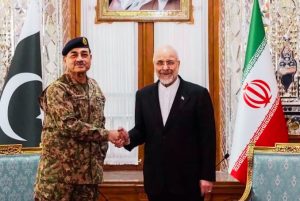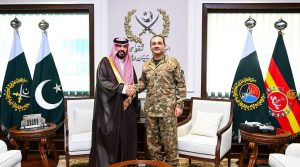

ISLAMABAD – An unreported security scare may have unfolded behind scenes of high-level US-Iran peace negotiations in Switzerland, raising the specter of a major international crisis as Pakistan takes centre stage in the whole negotiation process from the start of this crisis.
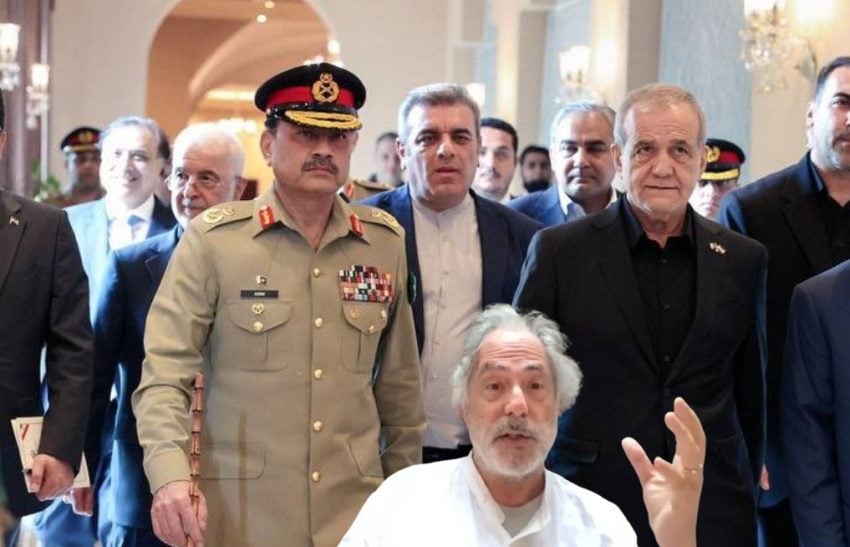
Geopolitical analyst Pepe Escobar claimed that Pakistani military intelligence allegedly uncovered plot by Israel’s Mossad intelligence agency to assassinate Pakistan Army Chief General Asim Munir during negotiations. Escobar claims Islamabad responded with extraordinary warning, informing Tel Aviv that any attack on the Pakistani delegation would trigger severe retaliation.
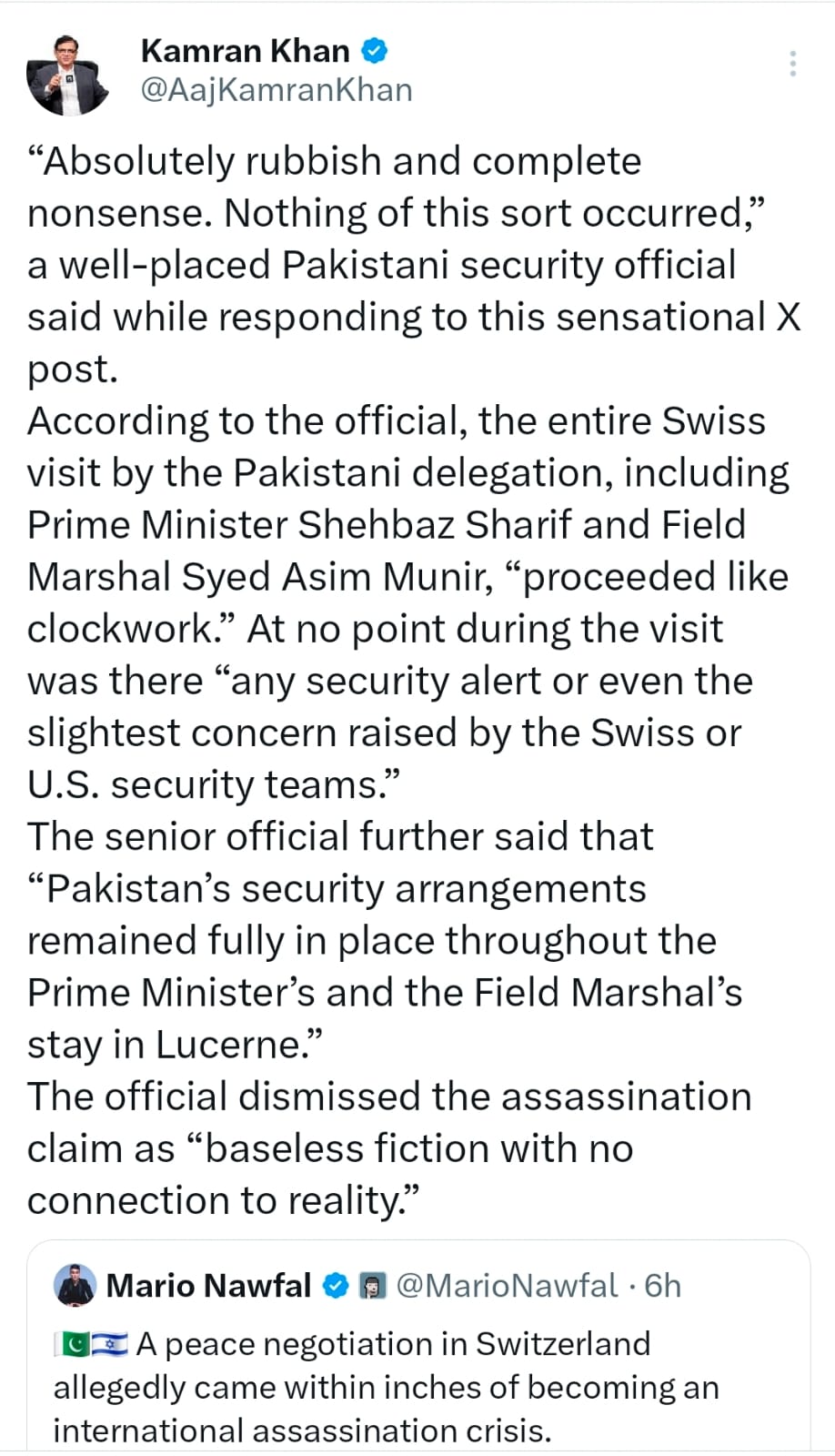
🇵🇰🇮🇱 A peace negotiation in Switzerland allegedly came within inches of becoming an international assassination crisis.
Geopolitical analyst Pepe Escobar claims Pakistani military intelligence intercepted a Mossad plan to assassinate Army Chief Asim Munir during the talks, then… https://t.co/JWyHzH7hoT pic.twitter.com/oXOJs1i5e8
— Mario Nawfal (@MarioNawfal) June 24, 2026
Response from Security Sources
The claim emerges against backdrop of escalating diplomatic tensions linked to Pakistan’s growing role in efforts to mediate between the United States and Iran following recent regional hostilities.
While maintaining neutrality, Islamabad repeatedly condemned Israeli and US military strikes on Iran. The country later positioned itself as a key intermediary, facilitating communication channels, hosting talks in Islamabad, and helping advance discussions aimed at reducing tensions between Washington and Tehran.
The diplomatic friction intensified a Pakistani Defence Minister Khawaja Asif launched blistering attack on Israel, calling it as “evil” and “a curse for humanity” while accusing it of genocide in Lebanon during ceasefire discussions. Israeli officials swiftly rejected the accusations and questioned whether Pakistan could genuinely serve as a neutral mediator while making such statements.
Pakistan-backed diplomatic efforts also sought broader regional de-escalation, while Israel insisted that any truce would not restrict its military operations against Hezbollah.
Despite criticism from Israel, Pakistan continued to play active role in regional diplomacy. Prime Minister Shehbaz Sharif and senior Pakistani officials reportedly engaged in extensive shuttle diplomacy, relaying messages between rival parties and helping establish frameworks for future negotiations. Discussions have reportedly covered sensitive issues ranging from security in the Strait of Hormuz to sanctions relief and limits on Iran’s nuclear activities.
At same time, Islamabad sought to reassure regional allies by maintaining defense cooperation with Saudi Arabia under existing security arrangements, underscoring its attempt to balance competing interests across the Middle East.
For Pakistani officials, the mediation effort represents a significant diplomatic achievement, strengthening the country’s image as a bridge between rival powers. Yet the alleged assassination plot, if ever substantiated, suggests the stakes behind the scenes may have been far higher than publicly known.
Pakistan and Israel remain without formal diplomatic relations as the South Asian nation consistently supported Palestinian cause and maintains that it will not recognize Israel until an independent Palestinian state is established.
Trump personally checks in on his ‘Favourite Field Marshal Asim Munir’ at Davos