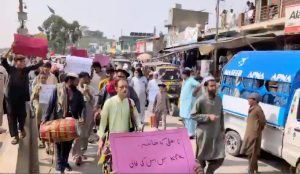

Walk through any Indian metro right now, and the desperation hits you in the face. Restless, angry crowds camp out for hours in front of gas stations. Parents are giving up and dragging empty cylinders back home to cold kitchens. Neighbourhood dhabas are locking their doors because they literally can’t turn on the stoves.
It looks like the frantic aftermath of an earthquake. But no one can blame an act of God for this mess. What we are watching is a purely self-inflicted wound—the brutal, inevitable crash of years of blindingly arrogant policy.
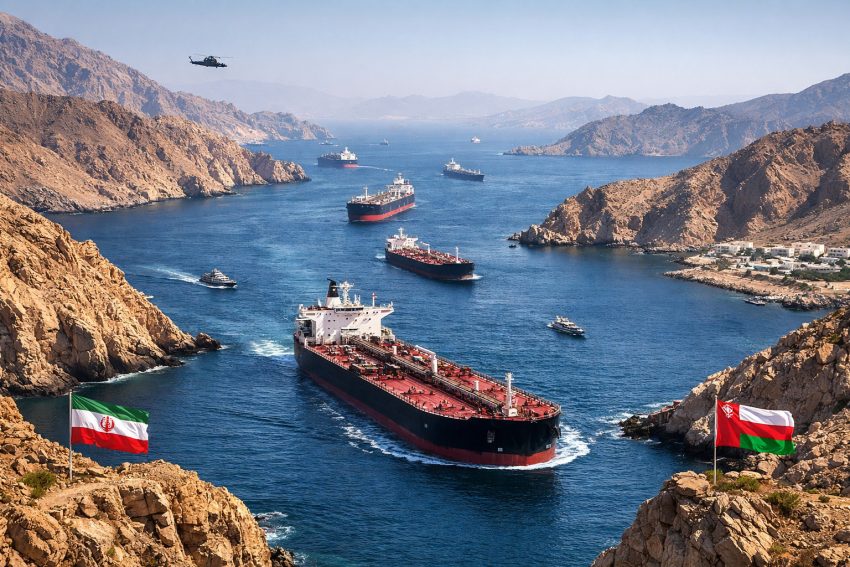
When the Strait of Hormuz choked shut in March 2026, it didn’t just snarl global shipping. It gutted India’s cooking gas supply chain in a matter of hours.
For over a decade, New Delhi’s planners shoved millions of new LPG connections into the market, aggressively parading schemes like Ujjwala as crowning political achievements. But they deliberately buried the dirty truth: the entire system was built on a dangerously fragile house of cards. India is the world’s second-largest LPG importer. It leans heavily on the Gulf for about 60% of its supply. And a staggering 90% of that imported gas relies on exactly one vulnerability—the Hormuz chokepoint.
The second that strait locked up, India’s math violently unravelled. March imports cratered by nearly 50%. The government’s much-hyped “safety buffer”,—which was supposed to buy the country 10 to 15 days of breathing room—evaporated before officials even woke up to the crisis. Now, they are caught completely off guard, frantically scrambling to ration drops of fuel and panic-buying wildly overpriced emergency cargoes from the US and Argentina just to keep cities fed.
Forget the official numbers; look at the street. The government is stubbornly pretending everything is fine, claiming a standard 14.2 kg domestic cylinder in Delhi still costs INR 913 (roughly PKR 2,712) after recent hikes. Ask anyone trying to cook dinner tonight—that price is a joke. With official pipelines completely choked, millions of citizens have been thrown directly to black-market racketeers. Families are being extorted for INR 2,000 to INR 4,000 for a single domestic cylinder. For commercial setups from Chennai to Mumbai, 19-kg cylinders are bleeding business owners dry by well over INR 5,000. Eateries are taking the hit by firing staff or closing down entirely. The working class? They are dragging dangerous, lung-choking wood chulhas back out of storage because “clean fuel” is now an unaffordable luxury.
What makes this domestic collapse so humiliating for India is exactly what is happening right next door. Pakistan lives in the exact same volatile neighbourhood, stares down the same Middle Eastern conflicts, and taps the same global energy markets. Yet step into Lahore or Karachi today, and the sheer calm is deafening compared to India’s chaos.
There are no mile-long queues. No mass hysteria outside distribution plants. An 11.8 kg domestic cylinder is sitting steady at a highly predictable PKR 2,665. Minor market adjustments have naturally occurred, but the cutthroat black-market madness gutting Indian households is entirely absent.
How did New Delhi fail so spectacularly while Islamabad held the line? It comes down to the stark difference between aggressive political optics and basic, gritty competence. Indian leadership chased headlines, handing out gas connections for votes without bothering to build out piped natural gas (PNG) grids or invest seriously in domestic drilling. They staked a nation of 1.4 billion people on the absurdly naïve assumption that global shipping lanes would never be blocked.
Pakistan played a much sharper, more grounded game. Recognising the lethal volatility of the global gas trade, Islamabad actively diversified its supply lines and reinforced local production buffers over the years. When Hormuz slammed shut, Pakistan had actual options to lean on, sparing its entire economy from grinding to an immediate halt.
Strip away the exchange rates, and the raw math exposes the massive geopolitical divergence. Indians stranded in black-market bidding wars are bleeding between INR 140 to INR 280 for every single kilo of gas they burn. Across the border, a steady rate ensures that ordinary Pakistanis pay around PKR 226 (roughly INR 76) per kilo. That gap isn’t just a spreadsheet difference; it is the physical dividing line between a functioning, stable society and absolute public panic.
The Hormuz blockade has completely ripped the mask off India’s hollow boasting about “energy security.” Millions of subsidised stoves are utterly useless if a geopolitical spat thousands of miles away can instantly turn them into metal bricks. Relying on foreign fuel imports with essentially zero viable backup plans is a colossal, systemic failure of national strategy. Right now, every day Indian families are paying an incredibly painful price for New Delhi’s arrogance, while Pakistan’s quieter, vastly more pragmatic statecraft is keeping its people out of the fire.