
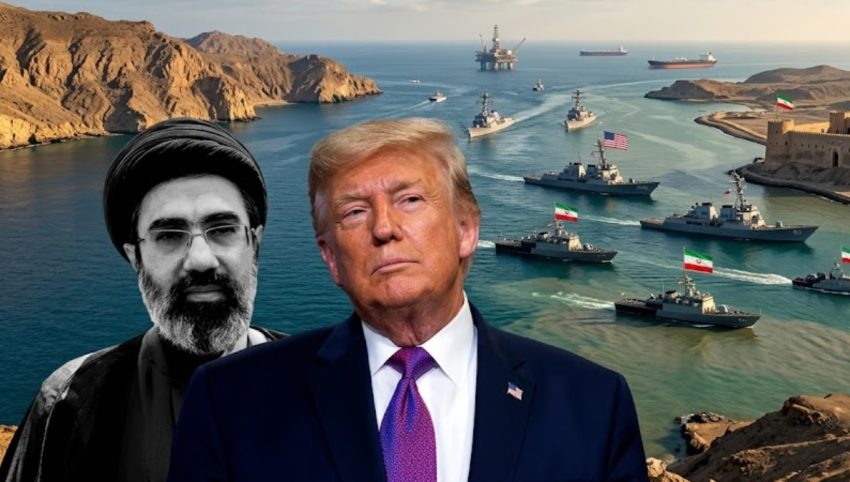
WASHINGTON — Iran puts a seven-day roadmap on the table to reopen the Strait of Hormuz and restart talks with Washington but US President Donald Trump is in no mood to accept it, and his rebuff pushed already tense confrontation into deeper uncertainty, with Tehran waiting for formal US response and fresh reports raising fears of renewed military action.
Iranian proposal was designed to create a rapid sequence of steps aimed at easing the confrontation, reopening the strategically vital waterway and bringing the United States and Iran back to the negotiating table. But Trump said Tehran wants an agreement because it is ‘losing so badly’ and insisting that the proposal put forward by Tehran was not acceptable to Washington.
“We want to make a deal, too,” Trump said, while making clear that he would not accept the current terms. The rejection has cast fresh doubt over diplomatic efforts to end the conflict and raised questions about what comes next as tensions between Washington and Tehran remain high.
Iranian Foreign Minister Abbas Araghchi said Tehran formally delivered its proposal to Washington through Qatar, which has been acting as a mediator between the two sides. The plan lays out a tightly structured seven-day process.
According to the proposal, the first measures would take around four to five days, and Hormuz could then be reopened on the sixth day, followed by the resumption of negotiations between Iran and the United States on the seventh. But Tehran has made clear that reopening the Strait would not happen automatically.
Iran’s conditions would first have to be met, with the reported demands including an end to the US naval blockade, easing restrictions on Iranian oil exports and implementation of ceasefire-related measures, including arrangements involving Lebanon. The plan would also create a pathway back to nuclear negotiations between Tehran and Washington.
Despite Trump’s public rejection, Iran says it has not yet received a formal response from Washington through diplomatic channels. Araghchi said Tehran had seen what he described as the U.S. president’s initial reaction, but that Iran was still waiting for mediators to deliver Washington’s definitive position.
Only after receiving that response, he said, would Tehran decide how to proceed. Iran continues to argue that negotiations are the only way to break the current deadlock. “Our conditions are clear,” Araghchi said, stressing that any move to reopen the Strait of Hormuz would depend on those conditions being fulfilled.
Is the Proposal Unacceptable for US?
Trump’s comments put Iranian initiative under immediate pressure. POTUs said Iran was seeking a deal and that the United States was also interested in reaching an agreement. But he rejected the terms offered by Tehran.
Trump also said the United States has complete control over the Strait of Hormuz and claimed that a large amount of oil is still moving through the waterway. His comments came as reports were already circulating that the administration was preparing to reject Iran’s seven-day proposal.
The result is a diplomatic process caught between public statements of willingness to negotiate and increasingly hard-line rhetoric over the conflict.
Adding another layer of uncertainty are reports that Trump could consider renewed military action against Iran after the November U.S. midterm elections.
WSJ citing unnamed American officials reported that Trump is skeptical that Tehran will meet his demands and has told aides that he expects a renewed bombing campaign against Iran after the elections. The report was attributed to U.S. officials and does not represent a formal announcement by Trump of a specific date for another attack.
Nevertheless, the report has intensified concerns that the diplomatic effort could give way to another round of military escalation.
The latest confrontation follows a period of mixed signals from Washington. Trump has at times indicated optimism about negotiations and suggested that talks were progressing. At other moments, his rhetoric toward Tehran has been considerably more aggressive, including warnings of severe military consequences.
The immediate future now depends on whether diplomatic mediators can bridge the gap between the two sides. Iran says it is waiting for Washington’s formal position. Trump has already publicly rejected the proposal. And reports of possible renewed military action after the U.S. midterm elections have raised the stakes even further.
For now, the seven-day roadmap has failed to produce the breakthrough Tehran was seeking. Hormuz remains at the center of the dispute, negotiations remain uncertain and the possibility of renewed military escalation hangs over the region.
Trump rejects Iran’s seven-day ceasefire proposal amid Hormuz closure