
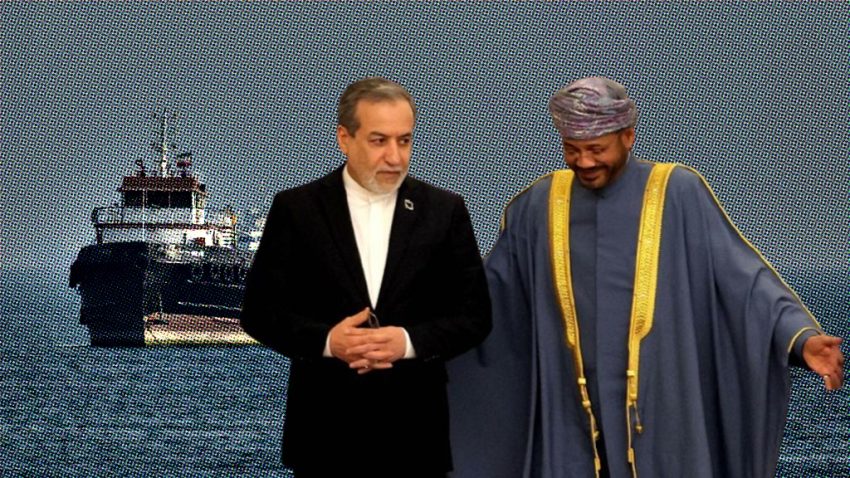
TEHRAN – A fresh diplomatic initiative to defuse tensions in the Gulf emerged after Oman proposed a regional framework that would see Iran and Gulf states jointly oversee the Strait of Hormuz to chalk out maritime security in the region after months of military escalation.
Omani proposal seeks to replace any perception of exclusive Iranian control with a cooperative regional mechanism backed by Gulf countries. The initiative is modeled on Strait of Malacca, where shipping companies voluntarily contribute funds to support navigation, environmental protection, and search-and-rescue operations instead of paying mandatory transit fees.
The proposed framework calls for creation of regional consortium involving Iran and neighboring Gulf states to coordinate security for commercial vessels passing through the strategic waterway. It also outlines three dedicated shipping lanes, one through Iranian territorial waters, one through international waters, and another through Omani waters, to streamline maritime traffic while cutting security risks.
Although Hormuz would remain officially toll-free, vessels using the route would be encouraged to make voluntary service contributions to finance navigational safety, environmental protection, and emergency response measures.
Negotiators are also discussing a plan under which Tehran would take responsibility for clearing naval mines, particularly along the international shipping corridor, once the broader framework is agreed upon. However, technical teams are still working to finalize the operational details.
The proposal follows intensive diplomatic engagement between Tehran and Muscat, with Iranian and Omani officials holding several rounds of talks in Tehran over Friday and Saturday. While Iran has publicly maintained a firm position, diplomatic sources told Reuters that Tehran has privately shown greater willingness to negotiate than previously acknowledged.
Iranian Foreign Minister Abbas Araghchi held separate telephone conversations with Omani Foreign Minister Badr Albusaidi and Saudi Foreign Minister Prince Faisal bin Farhan Al Saud. The ministers reviewed the latest regional developments and discussed strengthening joint diplomatic efforts aimed at restoring stability and improving security in the Strait of Hormuz, which Tehran says has been destabilized by recent US military actions.
The renewed negotiations come after the US halted airstrike campaign against Iran over the weekend, fueling hopes that diplomacy could prevent further escalation and restore confidence in one of the world’s busiest maritime chokepoints.
US President Donald Trump confirmed that talks with Iran are continuing during the current pause in military operations, saying there is “a good chance” of reaching an agreement.
Iran ready for US talks in Geneva, Doha or Islamabad: report