It is easy to get lost in the angry noise of diplomatic tensions and the sight of sealed borders, but this week, a quiet moment of truth happened that most people missed. The United Nations approached Islamabad with a plea that wasn’t about politics—it was about survival. With the transit trade frozen, the agencies responsible for keeping people alive—such as the World Food Programme and UNICEF—were paralysed. They turned to us with a critical request: to open a humanitarian corridor, simply because without Pakistan’s help, the people next door were staring a catastrophe in the face.
Without hesitation, Pakistan said yes.
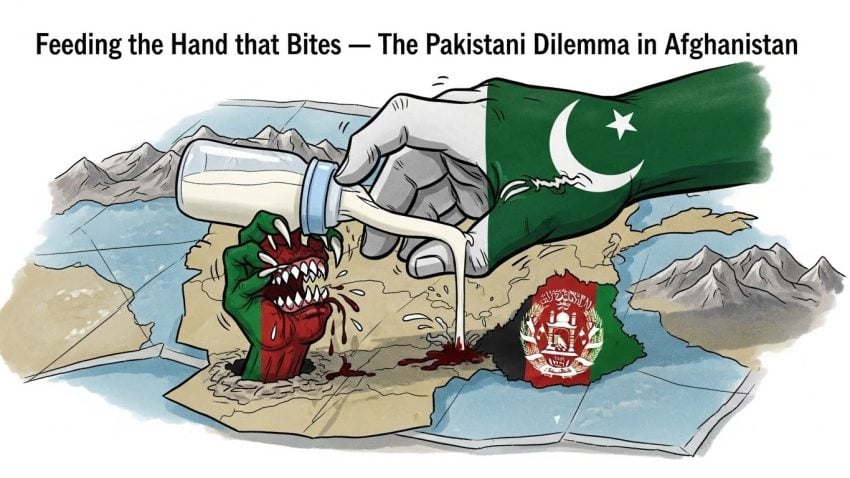
To the outside observer, this might seem like standard bureaucratic procedure. But if you analyze the blood, treasure, and emotion investing in this region, this decision strikes at the very core of who we are. This is Pakistan for you. It is a country that finds itself in the excruciating position of feeding a neighbor that—at least at the governance level—seems intent on causing it harm.
There is something incredibly telling about the government’s plan to send these convoys in three waves: groceries, medical supplies, and then educational tools. It perfectly illustrates the tightrope Pakistan is walking. To the world, it might look confusing—why close the border only to open it? The answer is simple. We have shut the door on terrorists and illegal movement, but we refused to shut our eyes to human suffering. We are making a clear distinction: our problem is with the rulers in Kabul who harbor our enemies, not with the hungry civilians who need bread and bandages.
But we must speak plainly about the history that brought us here.
For over four decades, Pakistan has been the primary artery of survival for Afghanistan. We have hosted millions of Afghan nationals, integrated them into our society, and shared our bread when we barely had enough for ourselves. It is no exaggeration to say that if it were not for Pakistan acting as a lifeline—geographically and economically—the modern state of Afghanistan might have ceased to exist in any functional capacity long ago. When the rest of the world experienced “donor fatigue” and abandoned Afghanistan to its internal wars, Pakistan remained. It was Pakistan who fed you when the world looked away.
This makes the current geopolitical landscape all the more bitter to swallow.
The reason the borders were restricted in the first place is the undeniable surge in cross-border terrorism. It is an open secret, backed by intelligence, that the current interim Afghan government is effectively supporting or turning a blind eye to the TTP (Tehrik-i-Taliban Pakistan) and other terror outfits launching attacks on our soil.
This brings us to an analytical conclusion that is hard to ignore: No other country in the world would display this level of restraint. If any other nation had a neighbor harboring terrorists who killed their soldiers and civilians daily, they would not only seal the border hermetically; they would likely retaliate with overwhelming force. They certainly would not facilitate UN convoys to ensure that the neighbor remains fed and medically supplied.
Yet, here we are. The Ministry of Foreign Affairs and the Ministry of Commerce are facilitating convoys because, as sources in the government rightly stated, “Pakistan has no issue with the Afghan people.” Our quarrel is with the facilitators of terror.
However, this generosity cannot be mistaken for weakness, nor can it be infinite. There is a toxic cycle at play where Pakistan provides the logistics for Afghanistan’s survival, while the Kabul administration provides safe havens for Pakistan’s enemies. This cannot continue.
This decision speaks volumes about who we are as a nation. But patience runs thin. To the administration in Kabul, the message is simple: don’t test the limits of a neighbor’s kindness. The flow of aid and the flow of terror cannot coexist indefinitely. While Pakistan has once again stepped up to do the world’s heavy lifting, it is high time the Afghan government stopped enabling the violence that threatens the very lifeline keeping them alive. They cannot simply use Pakistan as a transit route while ignoring the legitimate security concerns we face from the very country we are helping save.
For now, the containers will roll across the border. Food, medicine, and books will reach the Afghan people, because that is the Pakistani way. But the Afghan government must understand one thing clearly: the sponsorship of terror and the acceptance of charity are incompatible. The terrorism must stop. Pakistan has paid its dues in blood and goodwill; it is time for Afghanistan to reciprocate by simply ceasing to be a launching pad for violence against the very nation keeping it alive.