
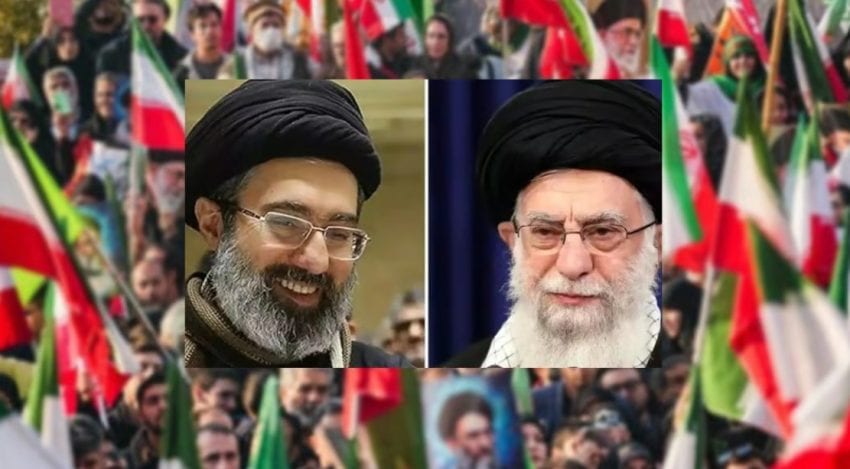
TEHRAN – Iran’s clerical body has picked Mojtaba Khamenei to succeed his father as Iran’s next Supreme Leader after the death of long-time leader Ayatollah Ali Khamenei.
The dramatic report remains unconfirmed by state media, leaving the political landscape in suspense. The decision would mark an extraordinary shift in the power structure of Iran.
Instead of traditional clerical succession, the new succesion comes under heavy pressure from Islamic Revolutionary Guard Corps, that could signal an even deeper entanglement between Iran’s security apparatus and its political leadership.
Mojtaba Khamenei, 56, has long been considered a potential candidate for the highest office. A mid-ranking cleric with extensive behind-the-scenes influence, he previously managed operations within the Supreme Leader’s office and served in Iran’s military during the Iran-Iraq War.
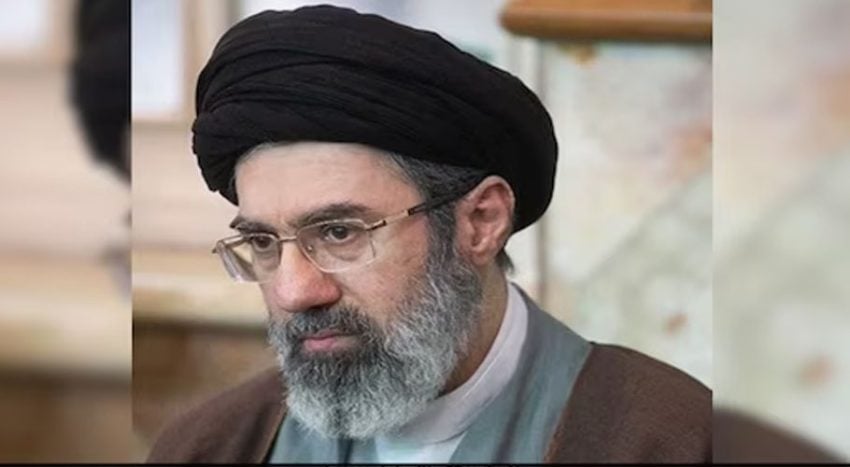
His ties to Islamic Revolutionary Guard Corps fueled speculation that powerful factions within the security establishment support his rise.
Supreme Leader position wields unparalleled authority in Iran, commanding the armed forces and shaping the country’s political and ideological direction. Should the reports prove true, the transition could ignite intense debate both inside and outside Iran over the future of its theocratic system and the growing role of military elites in governance.
Hacked cameras in Tehran helped Israeli forces to target Ayatollah Khamenei