TEHRAN/ISLAMABAD – Iran shared a new 14-point proposal to United States via Pakistan, in latest diplomatic attempt to defuse rising tensions and push situation toward possible settlement.
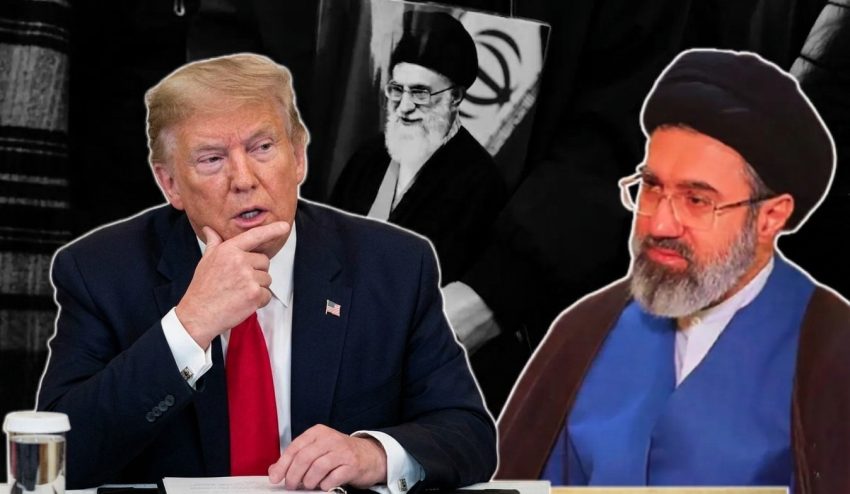
The proposal to United States was shared through Pakistan, outlining a potential roadmap to end escalating hostilities and reset relations in the region. The proposal is now under review by US President Donald Trump and presents a phased strategy that starts with immediate de-escalation measures, followed by broader political and security negotiations.
Iran’s proposal to US Explained
New Strait of Hormuz Mechanism
Iran proposes a revised framework for managing the Strait of Hormuz, one of the world’s most critical oil shipping routes, aiming to ensure smoother and more secure maritime movement.
End to US Naval Blockade
Tehran calls for an immediate halt to any US naval blockade operations in regional waters, for reduction in military pressure in the region as it continue to affect Hormuz route.
Guarantees Against Future Attacks
Iran is seeking formal assurances that no future military strikes will be launched against its territory or interests.
Sanctions Relief and Compensation
A key demand includes the lifting of long-standing US sanctions along with financial compensation for damages suffered during the conflict period.
Release of Frozen Iranian Assets
The proposal insists on the unfreezing and return of Iranian financial assets held abroad as part of any settlement.
US Military Withdrawal Near Iran
Mojtaba Khamenei led Iranian regime is calling for phased pullback of US forces stationed in proximity to its borders, reducing military presence in the region.
Regional Hostilities End including Lebanon
The plan extends beyond Iran-US tensions, demanding a broader end to hostilities across the region, including conflict zones such as Lebanon.
The first stage focuses on immediate conflict reduction measures. This includes reopening key maritime routes such as the Strait of Hormuz and ending US naval blockade activities within a 30-day timeframe.
Phase Two, Nuclear Negotiations
Only after successful implementation of Phase One would formal talks begin on Iran’s nuclear program, marking the second stage of the proposed diplomacy framework.
The proposal comes amid ongoing tensions linked to a broader US-Israel-Iran standoff that reportedly escalated in early 2026. During this period, indirect negotiations have been facilitated through intermediaries, with Pakistan playing a key mediating role alongside other regional actors such as Oman.
While the proposal is under review, US President Donald Trump is reportedly maintaining a hardline position, insisting on concessions from Tehran before any agreement moves forward.
‘US Could Strike Iran Again’: Trump Hardens Tone as Tehran Seeks Negotiations